Stuck Between Calm and Challenge? Read This First
Picture two yoga classes. In one, the room is quiet and every pose is held long enough to feel. In the other, the room hums and the teacher moves you through poses like a dance. Same mat, two very different experiences, and the wrong pick can make a beginner quit early. In this guide you will learn what Hatha and Ashtanga Vinyasa really are, how they differ in pace, breath and effort, and which one matches your body and mood. By the end, you will know which class to book first, what to expect when you walk in, and how to ease in safely, even if you have never stepped on a mat.
Introduction: Two Popular Styles, One Common Question
Walk into any yoga studio and you will see classes named Hatha, Ashtanga, Vinyasa and more. For a beginner, these names can feel confusing. So which one should you pick?
Quick answer: Hatha yoga is slow and steady. You hold each pose for a few breaths and focus on alignment. Ashtanga Vinyasa is faster and more athletic. You move through a fixed order of poses, linking every move with your breath. If you want a calm, gentle start, choose Hatha. If you want strength, stamina and a clear routine, Ashtanga Vinyasa may suit you better.
Whether you practise for health or you are exploring yoga courses in India to become a teacher, this choice shapes your journey. This guide comes from the teaching team at Rishikul Yogshala Rishikesh, a yoga school in India where both styles have been taught every day since 2010. We explain each one in simple words so you can decide with confidence.
What Is Hatha Yoga?
Hatha yoga is one of the oldest forms of physical yoga. The word is often explained as "Ha" (sun) and "Tha" (moon), which points to balancing two energies in the body. The classic text Hatha Yoga Pradipika, written by Swami Svatmarama in the 15th century, describes postures, breathing practices and cleansing methods.
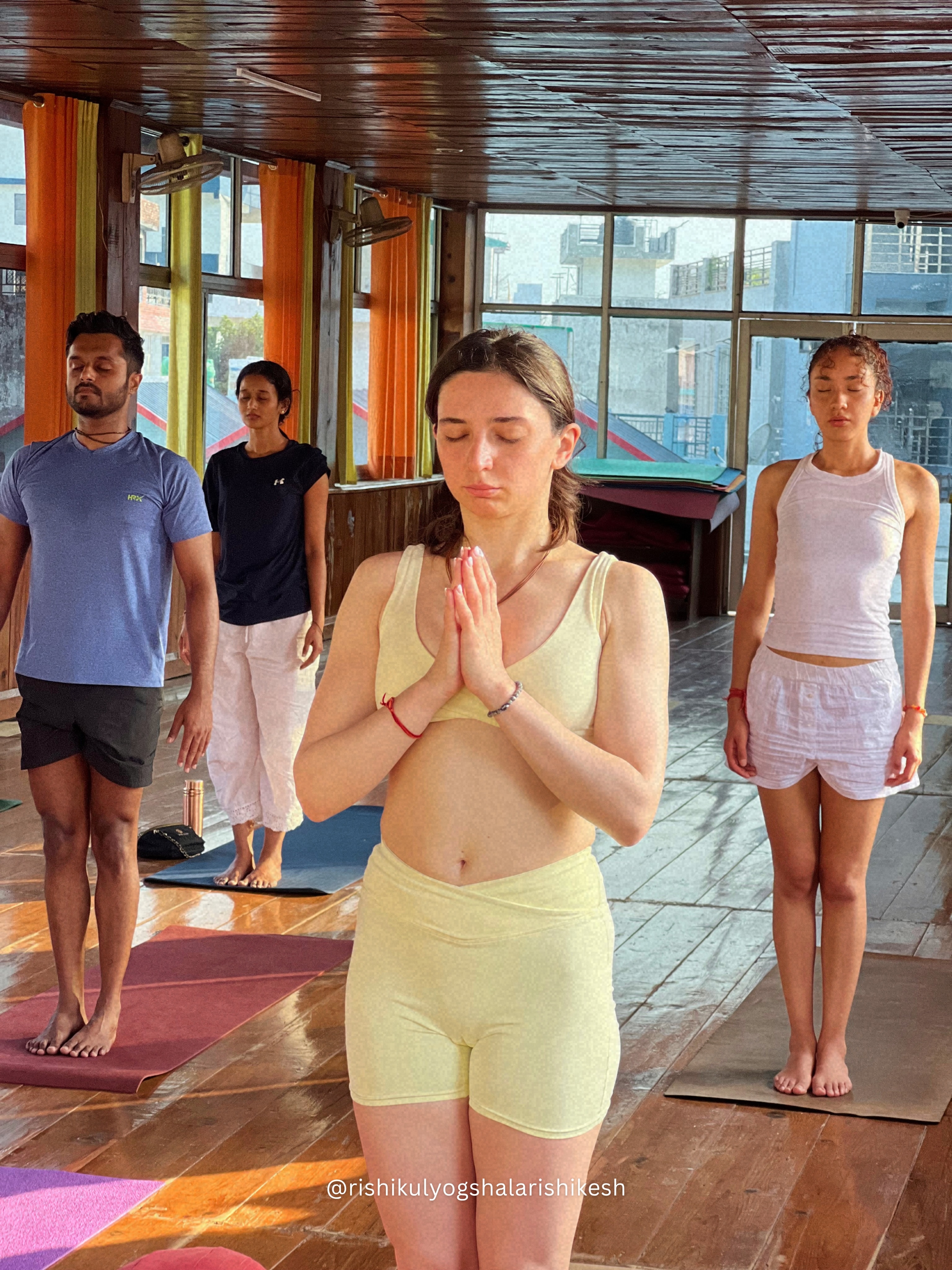
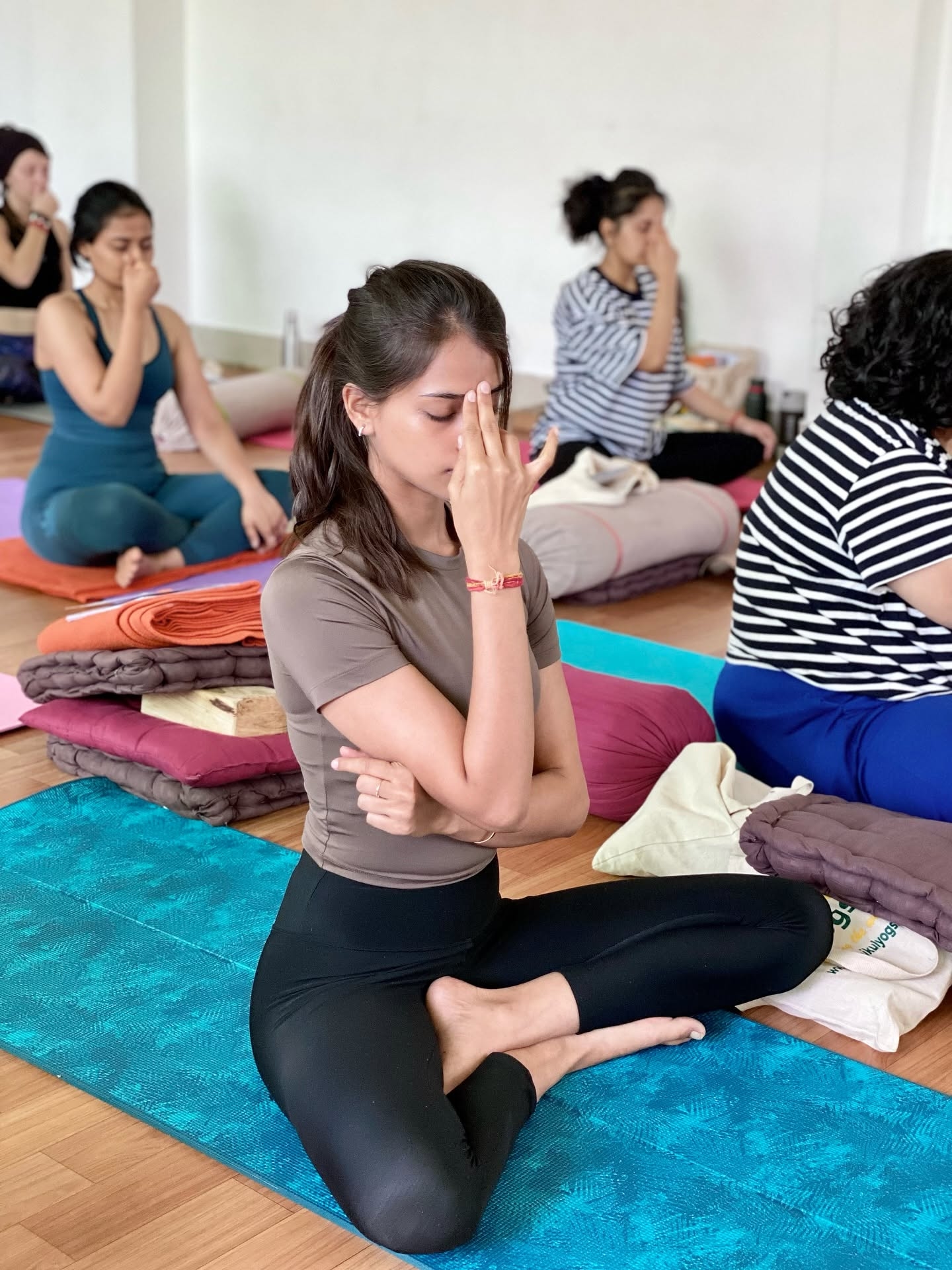
In a Hatha class, you usually stay in each pose for several slow breaths. The teacher guides you step by step and helps you fix your alignment. Classes often include simple pranayama (breathing exercises) and a short rest at the end.
Because the pace is gentle, many beginners feel safe and comfortable here. That is why a good yoga school in India usually teaches Hatha first. It builds a strong base for every other style you may try later.
What Is Ashtanga Vinyasa Yoga?
Ashtanga Vinyasa was made popular by Sri K. Pattabhi Jois in Mysore, India. "Vinyasa" means linking movement with breath. "Ashtanga" means eight limbs, a reference to the path described by the sage Patanjali.
The most common routine is the Primary Series. You practise the poses in the same order every time, starting with Surya Namaskar (Sun Salutations) and ending with a calming finish. Each movement matches an inhale or an exhale. Your eyes rest on one point, called drishti, which keeps the mind steady.
Since the flow rarely stops, your heart rate rises and your body warms up quickly. Many people describe it as a moving meditation with the energy of a workout.
Hatha vs Ashtanga Vinyasa: Key Differences
Pace: Hatha is slow and calm. Ashtanga Vinyasa is quick and flowing.
Pose Holding: Hatha holds poses for several breaths. Ashtanga Vinyasa usually moves on after about five breaths.
Sequence: Hatha classes change from teacher to teacher. Ashtanga Vinyasa follows the same set order each time.
Breathing: Hatha teaches breath awareness and pranayama. Ashtanga Vinyasa uses a steady, sound-making breath called Ujjayi.
Intensity: Hatha is gentle to moderate. Ashtanga Vinyasa is moderate to strong.
Best For: Hatha suits beginners, older adults and people returning after a break. Ashtanga Vinyasa suits those who enjoy challenge, discipline and routine.
Benefits of Each Style
Hatha yoga helps improve flexibility, balance and posture. Slow holds teach you to notice tight areas without rushing. Breathing practice calms a busy mind, and many people feel relaxed after a single class.
Ashtanga Vinyasa builds strength in the arms, core and legs. The steady flow improves stamina, and the fixed routine trains focus and patience. Over time, regular practitioners often feel more discipline in daily life.
Neither style is "better." They simply meet different needs. Many practitioners enjoy the benefits so much that they join a yoga teacher training course or a short yoga certificate course to learn more.
Which Style Suits You?
Choose Hatha if:
You are new to yoga.
You want to learn alignment slowly.
You like a quiet, calm class.
You feel stiff or are restarting after a long gap.
Choose Ashtanga Vinyasa if:
You enjoy movement and a good sweat.
You like clear rules and a fixed routine.
You already have basic fitness.
You want to build strength and focus.
Still unsure? Try Hatha for a few weeks, then add one Ashtanga Vinyasa class. Many students enjoy a mix of both. If you later join a yoga instructor course, you will practise both anyway.
Learning Both Styles in a Teacher Training
If you love yoga and wish to teach, learning both styles is a big plus. A good yoga teacher training course shows you how to slow down for beginners and how to lead a flowing class for strong practitioners.
At Rishikul Yogshala Rishikesh, students practise Hatha and Ashtanga Vinyasa as part of a Yoga Alliance USA registered programme. Our teachers are E-RYT certified and carry 10 to 15 years of teaching experience. In the 24-day residential course, you study asana, pranayama, meditation, anatomy and teaching methods, then lead real practice classes and receive personal feedback.
Many readers ask how to become a yoga instructor in simple steps. First, build a steady personal practice. Second, choose a registered school. Third, complete a 200 hours yoga teacher training and register with Yoga Alliance. Finally, begin teaching small groups and keep learning.
Choosing the right school matters. A trusted yoga school in India explains its syllabus clearly, keeps batches small and offers proper stay and meals. Our batches hold only 20 to 25 students, so everyone gets attention. Since 2010 we have trained over 25,000 students from more than 80 countries. Studying a 200 hour yoga teacher training in India in Rishikesh, the Yoga Capital of the World, also lets you learn beside the Ganga and the Himalayan foothills.
What a Good Programme Should Include
Whichever style you love, check that your yoga teacher training India programme covers five things: asana practice, pranayama and meditation, yoga philosophy, anatomy, and teaching practice. A complete yoga instructor course teaches you not only how to do poses but also how to explain them safely.
At the end, you should receive a recognised yoga certificate course document and be eligible to register with Yoga Alliance. A trustworthy yoga instructor certification opens doors to studios, wellness centres and retreats. You may also see it called yoga trainer certification. The name changes, but the meaning is the same: proof that you completed approved training.
Simple Tips for Beginners
Practise on an empty stomach or two to three hours after a meal.
Wear comfortable clothes and use a non-slip mat.
Listen to your body and never force a pose.
Tell your teacher about any injury or health condition.
Breathe slowly through the nose.
Practise a little every day rather than a lot once a week.
If you plan to teach one day, learning how to become a yoga instructor starts with the same habit: a calm, regular personal practice. Please speak to your doctor first if you have a medical condition.
Frequently Asked Questions
1. Is Hatha Yoga Easier Than Ashtanga Vinyasa?
For most beginners, yes. Hatha moves slowly and gives you time to learn each pose. Ashtanga Vinyasa moves faster and asks for more strength and stamina.
2. Which Style Do Yoga Teachers Need to Know?
Most registered schools teach both. A certified yoga instructor course that includes both styles helps you guide students of every level.
3. Do I Need a Certificate to Teach Yoga?
Yoga is not licensed by law in most places, but studios usually ask for proof of training. A yoga instructor certification or yoga trainer certification from a Yoga Alliance registered school shows that you learned safe teaching methods.
4. Which Yoga Teacher Course in India Should I Choose?
Look for a yoga teacher course in India that is registered with Yoga Alliance, taught by experienced teachers and limited to small batches. A yoga teacher course in India with daily practice and real teaching practice is best for beginners.
5. Is a 200-Hour Course Enough to Start Teaching?
Yes. A 200 hour yoga teacher training in India gives you the base to teach beginner and mixed-level classes. Pick a certified yoga instructor course that includes teaching practice, because real classes build confidence faster than reading.
6. How Long Does It Take to See Results?
Most people feel calmer within a few weeks of regular practice. Strength and flexibility take longer, so be patient.
Final Thoughts
Hatha and Ashtanga Vinyasa are two doors into the same house. Hatha teaches you to slow down and notice. Ashtanga Vinyasa teaches you to move with focus and strength. You can walk through either one, or both.
If you want to learn from experienced teachers in the heart of Rishikesh, visit our yoga school in India and see how the daily schedule works. Whether you are still comparing yoga teacher training India options or ready to begin a 200 hours yoga teacher training journey, Rishikul Yogshala Rishikesh welcomes you warmly.