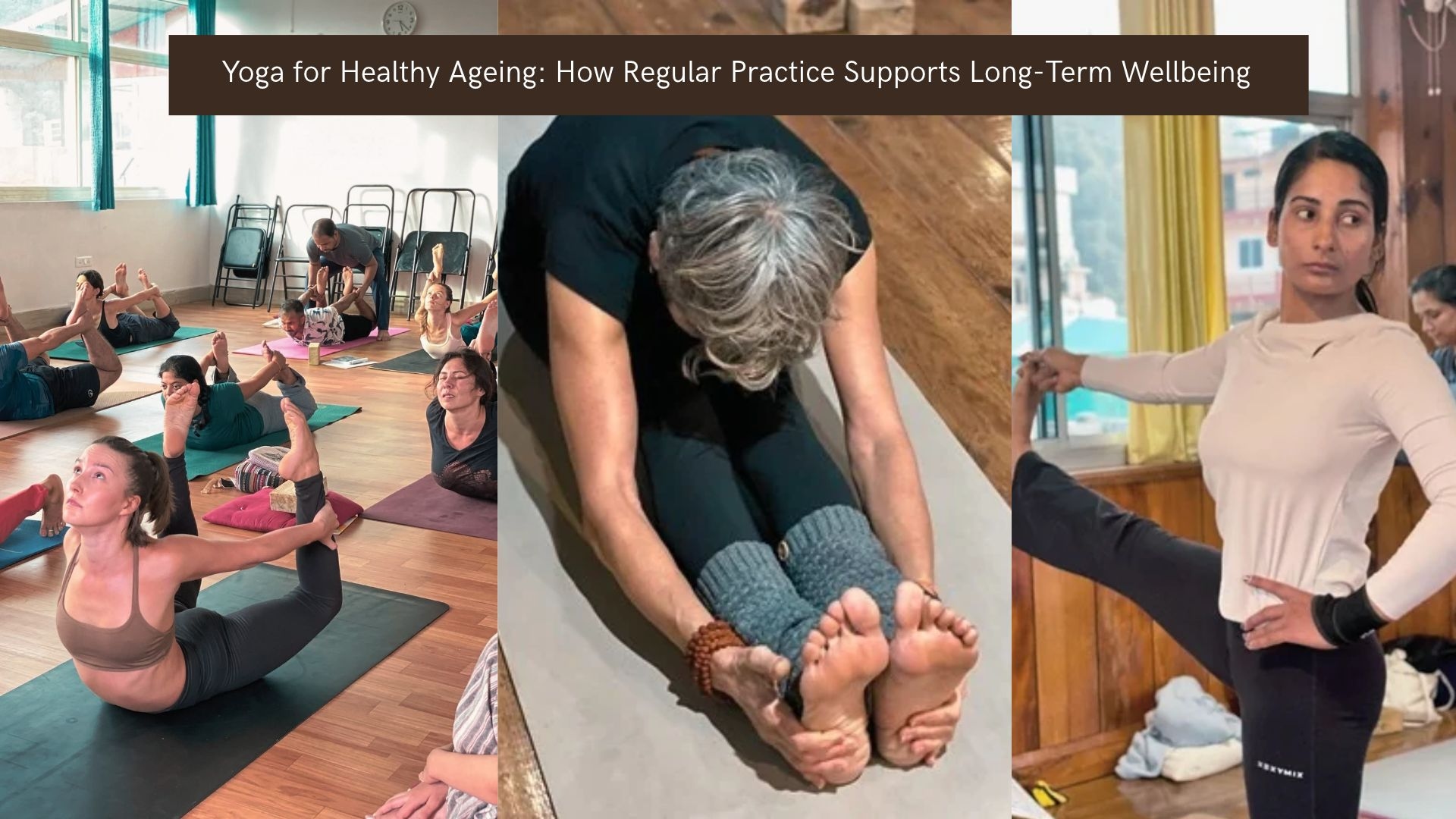
Ageing is a natural part of life. As the body changes over time, people may notice differences in strength, flexibility, balance, energy, and recovery. These changes do not mean that an active and meaningful lifestyle has to stop. With suitable habits and realistic expectations, people can continue caring for their physical and mental wellbeing at every age.
Yoga is one practice that can be adapted to different abilities and stages of life. It combines physical postures, breathing techniques, relaxation, and mindfulness. Rather than focusing only on flexibility, yoga encourages people to develop body awareness, move with care, and build a consistent routine.
What Is Healthy Ageing, and Where Does Yoga Fit In?
Healthy ageing is about maintaining the ability to live well, stay engaged, and carry out everyday activities as the body changes. It includes physical health, emotional wellbeing, social connection, and independence.
A 200 hour yoga teacher training in rishikesh introduces students to several aspects of yoga, including asana, pranayama, anatomy, and meditation. Understanding these foundations can help practitioners appreciate why movement, breathing, and awareness are taught together.
A 200 hour yoga teacher training course in rishikesh may also introduce teaching methods and modifications. These are important because a posture that feels comfortable for one student may not be suitable for another, particularly when age, mobility, or health history differs.
How Yoga Supports Physical Wellbeing as We Age
Regular, appropriately adapted yoga practice may support several aspects of physical function. The benefits depend on the person's starting point, the type of practice, and how consistently it is performed.
1. Flexibility and Joint Mobility
Gentle movements take the body through different ranges of motion. Practices such as shoulder rolls, seated twists, and supported stretches may help people maintain comfortable movement.
The aim is not to force the body into deep postures. Slow, controlled movement within a comfortable range is generally more useful than pushing beyond personal limits.
2. Strength and Stability
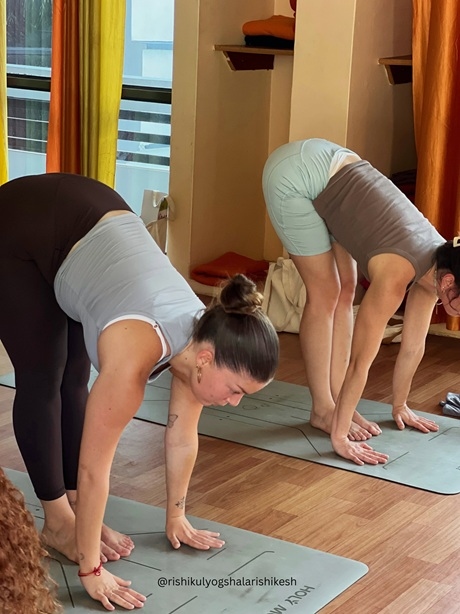
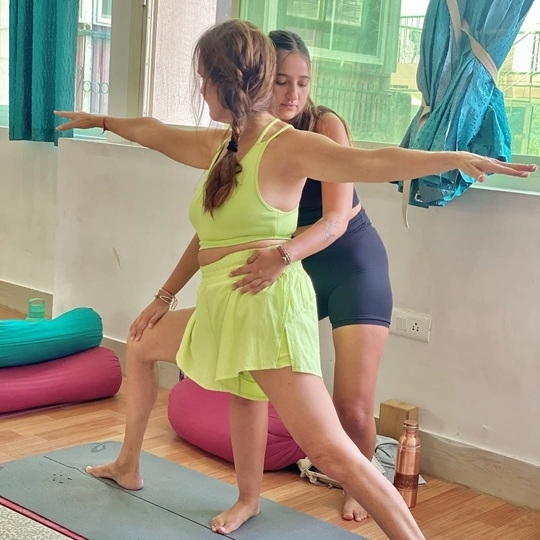
Some yoga postures involve supporting the body's weight. Standing poses, gentle lunges, and modified plank variations can engage muscles in the legs, arms, back, and abdomen.
Muscle strength is important for everyday tasks such as standing from a chair, climbing stairs, and carrying light objects. However, people with joint problems or reduced strength may need support, props, or guidance from a qualified professional.
3. Balance and Coordination
Balance can become more challenging with age. Simple standing postures, weight shifts, and supported one-leg balance exercises may help develop body awareness and coordination.
A wall or sturdy chair can provide support. Practising near a stable surface is especially useful for beginners or anyone concerned about falling.
4. Posture and Body Awareness
Long periods of sitting and changes in muscle strength can influence posture. Yoga encourages practitioners to notice how they sit, stand, and move.
Gentle chest-opening movements, comfortable spinal mobility exercises, and awareness of the feet and shoulders may support better movement habits. Yoga does not guarantee the correction of postural conditions, but it can help people become more attentive to their bodies.
Yoga and Mental Wellbeing in Later Life
Healthy ageing is not only about physical fitness. Emotional wellbeing and mental engagement also matter.
Meditation and mindful movement encourage people to pay attention to the present moment. This can offer a break from repetitive thoughts and everyday pressures. Slow breathing may also help some people feel calmer, particularly when practised in a quiet and comfortable setting.
Yoga classes can provide social interaction as well. Meeting others, learning together, and following a shared routine may help reduce feelings of isolation. The social environment is not a medical treatment, but it can be a meaningful part of a balanced lifestyle.
Gentle Yoga Practices for Older Adults
The best practice is one that suits a person's current abilities. A gentle routine may include:
Neck and Shoulder Movements: Small, comfortable movements can help reduce stiffness from prolonged sitting.
Cat-Cow Variation: Practised on hands and knees or while seated, this movement encourages gentle spinal mobility.
Supported Mountain Pose: Standing near a wall or chair helps develop awareness of posture and weight distribution.
Seated Forward Movement: A small forward hinge from the hips may offer a gentle stretch without forcing the spine.
Breath Awareness: Observing natural breathing can introduce mindfulness without requiring complex techniques.
Relaxation: A comfortable resting position gives the body time to settle after movement.
People should stop if they experience pain, dizziness, unusual breathlessness, or other concerning symptoms.
Adapting Yoga to Different Needs
There is no single yoga routine that works for every older adult. Some people remain active and enjoy standing sequences, while others may need chair yoga or floor-based movements with additional support.
Useful adaptations include:
Using a chair for balance during standing postures.
Placing blocks or cushions under the hands or hips.
Reducing the range of motion when a joint feels restricted.
Taking longer rest periods between movements.
Avoiding sudden transitions from lying down to standing.
Choosing slower classes with clear instructions.
Anyone living with a medical condition, recovering from surgery, or managing osteoporosis, balance difficulties, or joint problems should consult an appropriate healthcare professional before beginning a new programme. A yoga instructor should also ask about relevant limitations and avoid giving medical advice beyond their training.
Breathing and Relaxation for Everyday Balance
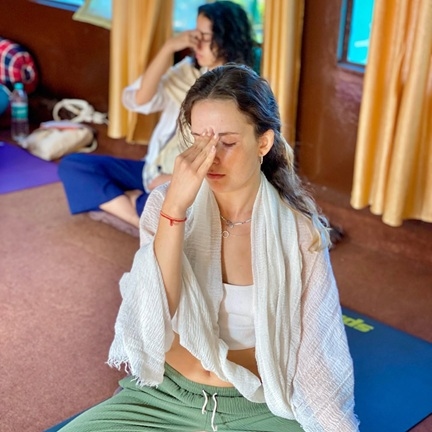
Pranayama refers to traditional yogic breathing practices. For a beginner or older adult, simple breath awareness is often a sensible starting point.
Sit comfortably and notice the natural movement of the breath. Avoid trying to take unusually deep breaths or hold the breath for long periods. The practice should feel steady and comfortable.
Some advanced breathing techniques may not be appropriate for everyone. People with respiratory or cardiovascular conditions should seek professional guidance before attempting forceful breathing, prolonged retention, or rapid techniques.
Yoga Education and the Importance of Safe Teaching
As interest in accessible movement grows, a yoga training course india can introduce students to asana principles, anatomy, class planning, and modifications. These subjects help future instructors understand that teaching yoga requires more than demonstrating postures.
People who wish to become a yoga teacher in india should learn how to offer options, communicate clearly, and recognise when a student may need to stop or seek professional support. A responsible teacher does not assume that every student has the same strength, flexibility, or health background.
At Rishikul Yogshala Rishikesh, yoga education includes traditional subjects such as asana, pranayama, meditation, and philosophy. Studying these areas together can help students develop a broader understanding of yoga and the importance of adapting practice to individual needs.
Conclusion
Yoga can be a valuable part of a healthy ageing routine when it is practised safely and adapted to individual ability. Gentle movement, balance exercises, breathing awareness, and relaxation may support physical function and mental wellbeing.
The goal is not to compete with younger bodies or achieve difficult postures. It is to maintain comfortable movement, build confidence, and develop habits that support everyday life. Starting slowly and practising consistently can make yoga a sustainable part of long-term wellbeing.
Frequently Asked Questions
1. Is Yoga Suitable for Older Adults?
Yes. Yoga can be adapted for different ages and ability levels. Chair yoga, gentle stretching, and supported standing postures are options for people who prefer a slower practice.
2. Can Yoga Improve Balance in Older Adults?
Balance-focused yoga movements may help develop coordination and body awareness. People at risk of falling should practise with suitable support and professional guidance.
3. How Often Should Older Adults Practise Yoga?
The right frequency depends on health, ability, and recovery. Beginners can start with short, gentle sessions and increase gradually if they feel comfortable.
4. Is Chair Yoga Effective?
Chair yoga can help people practise mobility, gentle strength movements, and breathing awareness while seated or using a chair for support. It can be a useful option for people who find floor-based postures difficult.
5. Should Older Adults Consult a Doctor Before Starting Yoga?
Anyone with a medical condition, recent surgery, significant pain, balance concerns, or other health limitations should consult a healthcare professional before starting a new exercise routine.