

Introduction
Yoga is often associated with flexibility, balance, and physical strength. However, performing a yoga posture correctly involves much more than reaching a particular position. The way the body is positioned, how weight is distributed, and how the breath moves during practice all contribute to a meaningful yoga experience.
This is where proper alignment becomes important. Alignment refers to the way different parts of the body are organised in relation to one another while performing an asana.
For beginners, understanding alignment can make yoga easier to approach. Instead of trying to imitate complicated postures, practitioners can learn to move with awareness, respect their physical limitations, and gradually develop confidence.
What Is Yoga Alignment and Why Is It Important?
Yoga alignment refers to the positioning of the body's joints, muscles, and supporting structures during a posture. It helps practitioners understand how to organise their movements according to their individual anatomy and physical abilities.
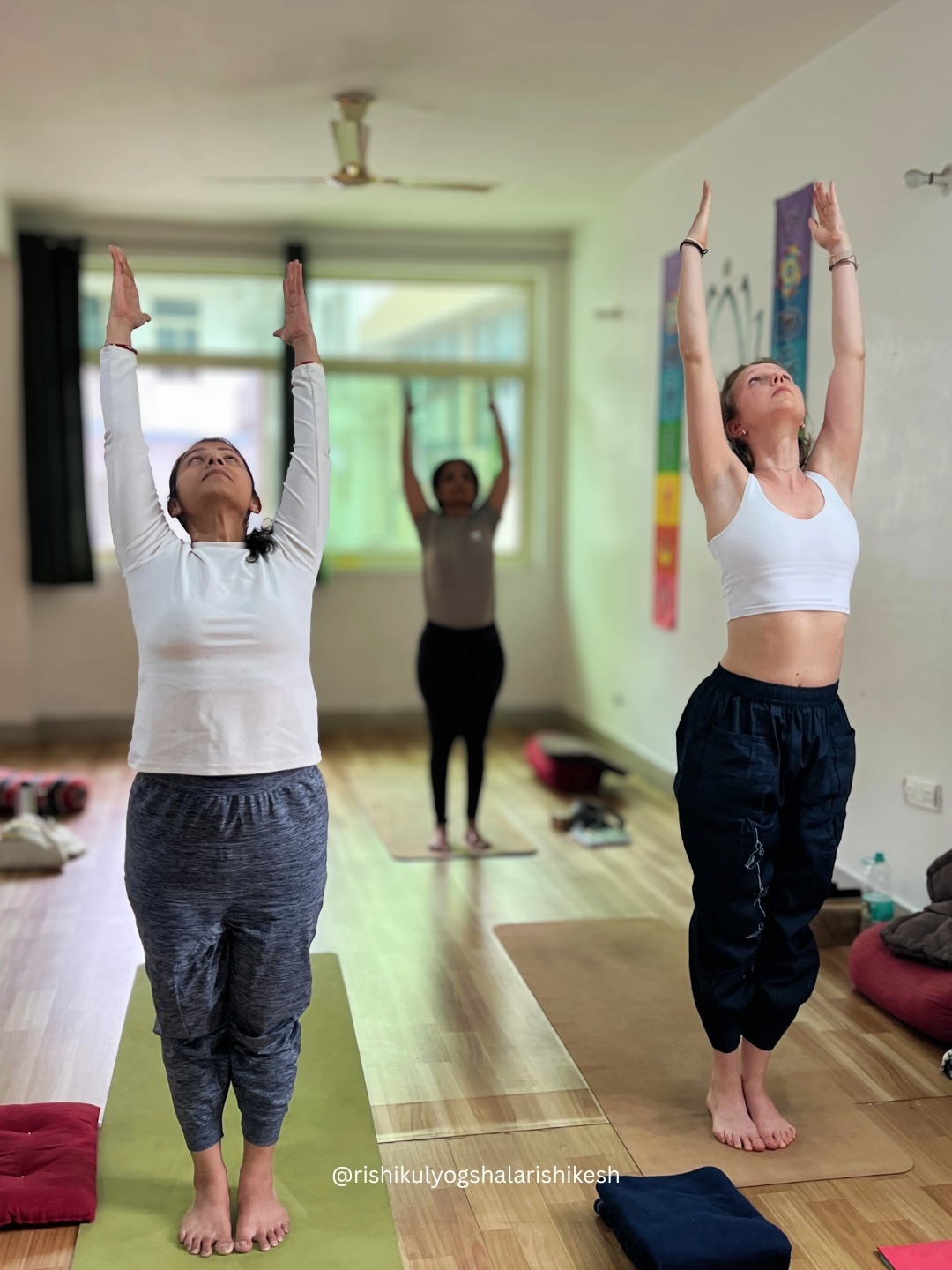
For example, in Tadasana (Mountain Pose), a practitioner learns to distribute body weight evenly across both feet while maintaining a natural spinal position. Although the posture appears simple, it introduces important principles of balance, posture, and body awareness.
These principles are also explored in structured yoga education. Students enrolled in a 200 hour yoga teacher training in rishikesh study asana techniques, anatomy, and teaching methodology to understand how postures can be practised and explained safely.
For those who want to become a yoga teacher in India, learning alignment is particularly valuable because it helps develop the ability to guide students with different physical abilities and experience levels.
Understanding the Basic Principles of Proper Alignment
Yoga alignment is not about forcing every body into one ideal position. It involves understanding movement and making appropriate adjustments.
1. Maintain Natural Spinal Alignment
The spine plays an important role in most yoga postures. Practitioners should avoid unnecessarily rounding or overextending their backs.
In standing postures, maintaining a comfortable spinal position helps create stability. In forward bends and backbends, movement should be gradual and appropriate to the individual's mobility.
2. Distribute Body Weight Evenly
Many standing asanas require awareness of how body weight moves through the feet.
In Tadasana, for example, practitioners can notice the contact between the heels, the bases of the toes, and the outer edges of the feet.
This awareness provides a foundation for balance and controlled movement.
3. Position the Joints Comfortably
Knees, shoulders, hips, and wrists should be positioned according to the requirements of each posture and the practitioner's anatomy.
Locking the joints or forcing them beyond a comfortable range should be avoided.
4. Coordinate Movement With Breathing
Breathing is an important part of yoga practice. Practitioners are generally encouraged to coordinate inhalation and exhalation with movement without holding their breath unnecessarily.
A comfortable breathing pattern can help maintain awareness throughout a sequence.
Common Yoga Alignment Mistakes Beginners Should Avoid
Beginners often focus on achieving the final shape of a posture rather than understanding how to enter and maintain it.
Some common mistakes include:
Forcing the body into deep stretches.
Placing excessive weight on the wrists during arm-supported postures.
Allowing the knees to collapse inward during certain standing movements.
Holding the breath while trying to maintain a difficult pose.
Copying another practitioner's flexibility without considering individual differences.
Ignoring discomfort because a posture appears easy for someone else.
These mistakes can often be reduced through careful instruction, gradual progression, and regular practice.
The Role of Anatomy in Yoga Alignment
Understanding basic anatomy helps practitioners recognise why different people perform the same posture differently.
The human body contains bones, joints, muscles, ligaments, and connective tissues that work together to support movement.
For example, hip mobility influences how comfortably someone performs seated cross-legged postures. Shoulder mobility can affect overhead arm movements, while ankle flexibility may influence balance in standing asanas.
This is why alignment should not be treated as a fixed visual standard.
A person with limited mobility may require a modified version of a posture. Another practitioner may need a different variation because of their body proportions or previous physical experiences.
Yoga anatomy helps teachers understand these differences and make practical adjustments.
Useful Alignment Tips for Popular Yoga Poses
a) Tadasana (Mountain Pose): Stand with the feet comfortably positioned, distribute weight evenly, and maintain a natural spinal curve.
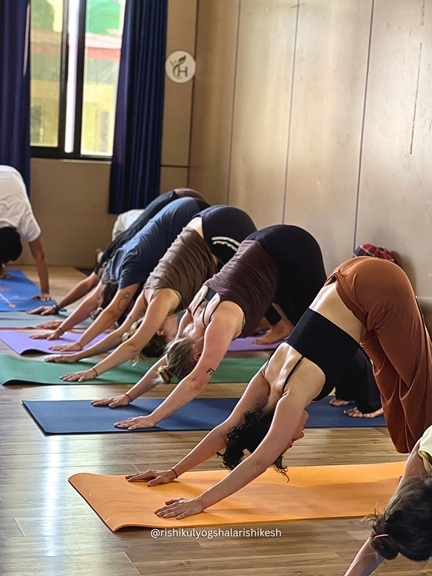
b) Adho Mukha Svanasana (Downward-Facing Dog): Focus on creating a comfortable relationship between the hands, shoulders, spine, and hips. Bend the knees if necessary.
c) Virabhadrasana II (Warrior II): Position the front knee comfortably in the direction of the toes while maintaining stability through both feet.

d) Balasana (Child's Pose): Adjust the distance between the knees and use support under the forehead if required.

e) Bhujangasana (Cobra Pose): Use the back muscles to support the lift and avoid pushing the body into an uncomfortable backbend.

These are general learning cues. Individual adjustments may be necessary depending on the practitioner.
Why Guidance From a Qualified Yoga Teacher Matters
Learning yoga through videos or books can introduce basic techniques, but personal instruction provides opportunities to understand individual movement patterns.
A qualified teacher can demonstrate postures, explain common alignment issues, suggest modifications, and help students recognise when they should stop or adjust a movement.
Those who want to learn to teach yoga in India should develop this ability as part of their teaching preparation.
A 200 hour yoga teacher training course in rishikesh generally introduces students to asana practice, yoga anatomy, teaching methodology, and practical instruction. A yoga TTC in India can provide a structured environment to understand how alignment principles are applied across different yoga styles.
Conclusion
Proper alignment is an important part of developing a sustainable and mindful yoga practice. It encourages practitioners to understand their bodies instead of focusing only on flexibility or the appearance of a posture.
For beginners, learning the basic principles of alignment can improve confidence and make yoga more accessible. With regular practice and suitable guidance, students can gradually develop better body awareness and movement control.
At Rishikul Yogshala Rishikesh, traditional yoga learning includes attention to asana practice, anatomy, breathing, and teaching methodology, helping students understand yoga as a complete discipline rather than simply a collection of physical postures.
Frequently Asked Questions
1. Why Is Alignment Important in Yoga?
Alignment helps practitioners understand how to position their bodies during asanas. It supports stability, movement awareness, and appropriate modifications.
2. Does Proper Alignment Look the Same for Everyone?
No. Body proportions, joint mobility, flexibility, and individual physical differences influence how a posture should be performed.
3. Can Beginners Practise Yoga Without Perfect Flexibility?
Yes. Yoga does not require advanced flexibility. Beginners can use suitable modifications and gradually develop their range of movement.
4. What Is the Role of Yoga Anatomy in Alignment?
Yoga anatomy helps practitioners understand how muscles, joints, bones, and connective tissues contribute to movement and posture.
5. Can Yoga Teacher Training Help Improve Alignment Knowledge?
Yes. Structured yoga teacher training introduces students to asana techniques, anatomy, modifications, and teaching methods that help develop a better understanding of alignment.