Imagine beginning your morning with gentle yoga, listening to the sounds of nature, enjoying nourishing meals, and taking time away from everyday distractions. A retreat can offer an opportunity to slow down, reconnect with yourself, and explore a more mindful way of living. However, choosing the right programme and preparing for the experience can make a significant difference.
Before booking a retreat, it helps to understand the available yoga styles, accommodation arrangements, daily schedules, food options, and the kind of environment you prefer. This guide explains what to consider before attending a yoga retreat in Bali so you can make an informed decision and enjoy a meaningful experience.
Introduction
Bali has become a popular destination for travellers interested in yoga, meditation, nature, and wellness. Its tropical surroundings, cultural traditions, and variety of retreat experiences make it appealing to people looking for something different from a conventional holiday.
A yoga retreat is not necessarily about practising difficult poses or following a strict spiritual routine. It can be an opportunity to develop healthy habits, improve body awareness, practise mindfulness, and spend time away from a busy lifestyle.
Whether you are a beginner or an experienced practitioner, understanding what a retreat involves will help you choose an experience that matches your needs.
1. Understand What a Yoga Retreat in Bali Offers
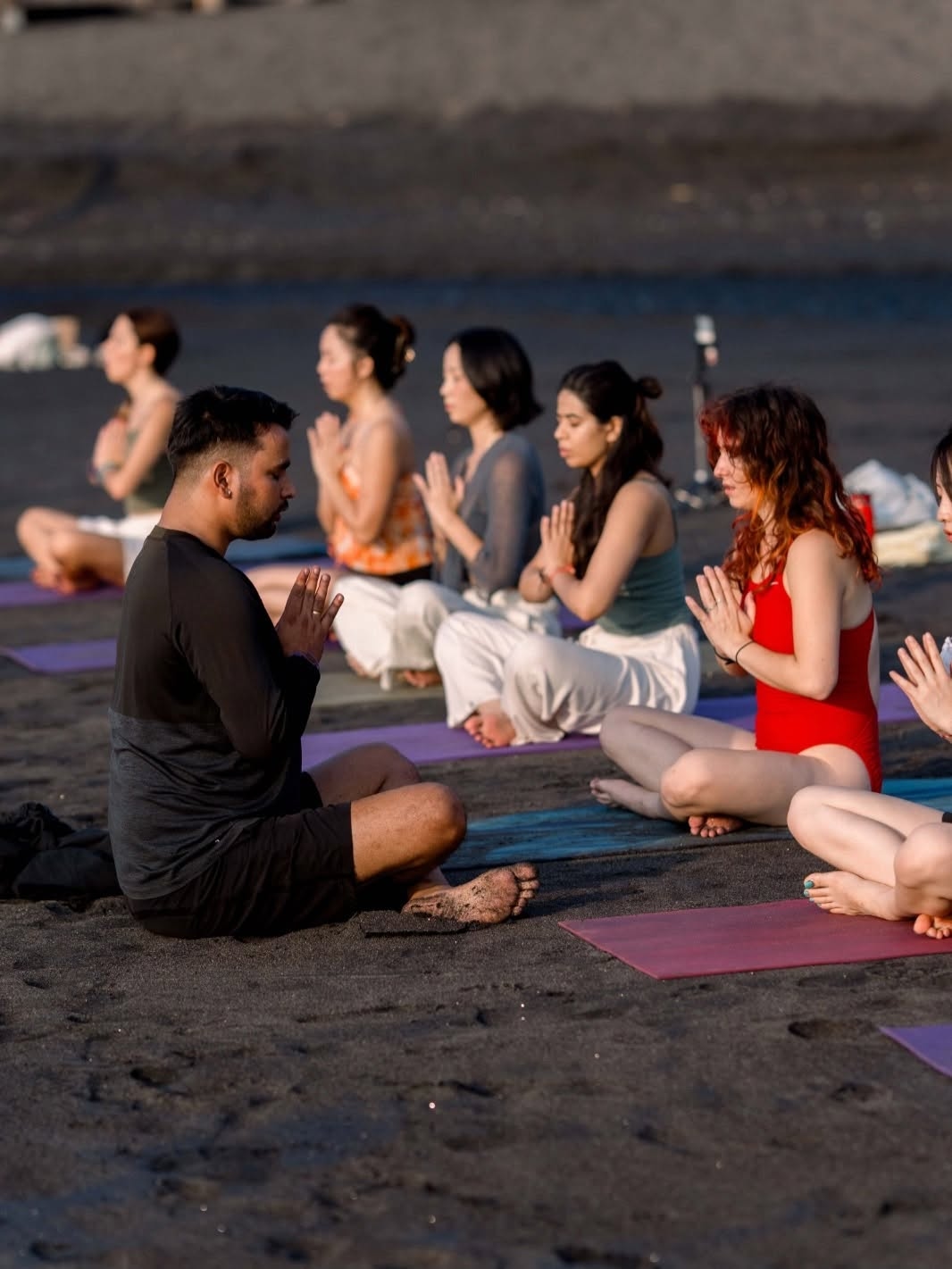
A yoga retreat usually combines guided yoga sessions with other activities that encourage relaxation and self-awareness. Depending on the programme, these activities may include meditation, breathing exercises, sound healing, nature walks, or workshops on yogic philosophy.
A well-planned Yoga Retreat in Bali may offer a structured daily schedule while leaving enough time for personal relaxation.
Some retreats focus mainly on physical yoga practices, while others place greater emphasis on meditation, mindfulness, and traditional yogic teachings.
Before making a booking, consider the following:
Does the retreat offer beginner-friendly yoga sessions?
Are meditation and pranayama included?
How many classes take place each day?
Is accommodation included?
Are meals part of the package?
Is there free time for personal activities?
Understanding these details will help you avoid choosing a programme that does not match your expectations.

2. Choose the Right Location for Your Experience
Bali offers different environments, and the location of your retreat can influence the overall experience.
Ubud is particularly popular among wellness travellers because of its greenery, cultural atmosphere, yoga studios, and access to nature. It may appeal to people looking for a peaceful environment with opportunities to explore local traditions.
Coastal areas offer a different atmosphere. Travellers who enjoy beaches, ocean views, and outdoor activities may prefer a retreat near Bali's coastline.
When comparing locations, consider:
Distance from the airport.
Accessibility of nearby restaurants and shops.
Surrounding environment and noise levels.
Availability of transportation.
Proximity to beaches, nature, and cultural attractions.
The ideal location depends on whether you prefer a quiet setting, a lively neighbourhood, or a combination of both.
3. Understand the Yoga Styles and Daily Schedule
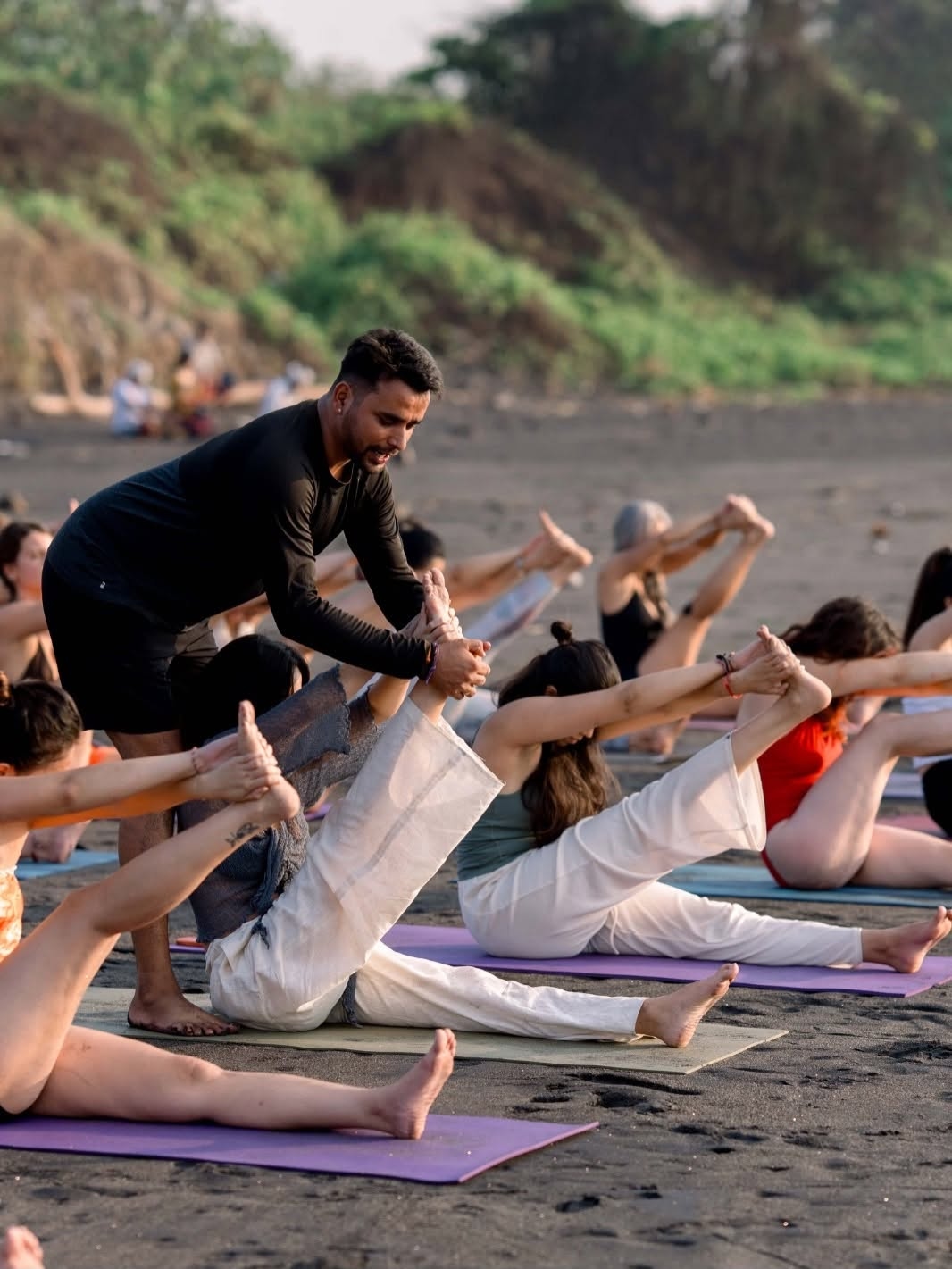
Not every retreat follows the same yoga approach. Some programmes offer traditional Hatha Yoga, while others include Vinyasa, Yin Yoga, or restorative practices.
If you are new to yoga, look for classes that explain alignment, breathing, and modifications. Experienced practitioners may prefer programmes that offer a more challenging or specialised practice.
A typical retreat day might include:
Morning meditation or breathing exercises.
A guided yoga session.
Breakfast and personal time.
Workshops or cultural activities.
An afternoon yoga or relaxation session.
Evening meditation or reflection.
The actual schedule varies between providers.
A good programme should provide enough structure to support learning without making participants feel overwhelmed.
4. Prepare for Your First Retreat
Attending your first retreat can feel unfamiliar, especially if you have never participated in a group yoga programme.
You do not need advanced flexibility or previous meditation experience to attend many beginner-friendly retreats. However, some preparation can help you feel more comfortable.
Start by developing a simple routine at home. Practise gentle stretching, basic breathing exercises, and short meditation sessions.
You can also prepare a few questions for the retreat organiser about class intensity, instructor experience, equipment, and accommodation.
Remember that a retreat is an opportunity to learn. There is no need to compare your progress with other participants.
5. Check Accommodation, Meals, and Facilities
Accommodation is an important part of the retreat experience. Some programmes provide private rooms, while others offer shared accommodation.
Check the facilities before booking. Look for clear information about room arrangements, bathrooms, internet access, air conditioning, and common spaces.
Food is another important consideration. Many wellness programmes offer vegetarian or plant-based meals, but the arrangements differ.
If you have allergies, dietary restrictions, or particular food requirements, inform the organiser before arrival.
A yoga retreat should provide transparent information about what is included in the package and what requires an additional payment.
Ask whether the package includes:
Accommodation.
Daily meals.
Yoga mats and props.
Meditation sessions.
Airport transfers.
Excursions or additional workshops.
Do not assume every service is included simply because it appears in promotional photographs.

6. Explore the Benefits of a Yoga and Meditation Retreat
A retreat can create space for activities that are often difficult to maintain during a busy routine.
Regular yoga practice can help develop flexibility, balance, coordination, and body awareness. Meditation encourages attention to the present moment and can help participants become more aware of their thoughts.
A yoga and meditation retreat may also encourage healthier daily habits through consistent practice, mindful eating, and time away from digital distractions.
However, experiences differ from person to person. A retreat should not be considered a guaranteed treatment for stress, anxiety, or any medical condition.
The National Center for Complementary and Integrative Health provides an overview of research into meditation, mindfulness, and their possible benefits, while also discussing limitations in the available evidence.
Source: NCCIH – Meditation and Mindfulness: Effectiveness and Safety.
7. Understand the Costs Before Booking
The cost of a retreat depends on several factors, including its duration, location, accommodation, facilities, and included activities.
Compare complete packages rather than looking only at the advertised price.
Check whether the following expenses are included:
Accommodation and meals.
Transportation.
Yoga classes and workshops.
Airport transfers.
Travel insurance.
Personal expenses and excursions.
A more expensive package is not automatically better. Focus on the quality of the programme, the experience of the instructors, and whether the arrangements suit your requirements.
8. Pack the Essentials for Your Retreat
Packing appropriately can make your stay more comfortable.
Consider bringing:
Comfortable yoga clothing.
Lightweight everyday clothes.
Reusable water bottle.
Personal toiletries.
Sunscreen and insect repellent.
Comfortable walking footwear.
Any prescribed medication.
A notebook for reflections.
A light jacket for cooler mornings.
Some retreat centres provide yoga mats and props, so check before packing bulky equipment.
Also, review current travel requirements and local guidance before departure.
9. Choose a Retreat That Matches Your Personal Goals
Before selecting a programme, think about what you want from the experience.
Are you interested in learning yoga fundamentals?
Do you want to develop a consistent meditation routine?
Are you looking for a peaceful holiday with some wellness activities?
Your answers can help narrow down the options.
Read the programme details carefully, review the instructor information, and look for transparent policies about cancellations, refunds, and schedule changes.
A wellness retreat in Bali should offer a clear description of its activities and realistic information about what participants can expect.
You can explore the available programme details through Bali Yoga Retreats.
10. Respect Local Culture and Practise Mindful Travel
Bali has distinctive cultural and religious traditions. Visitors should approach local customs with respect.
Dress appropriately when visiting temples, follow instructions at sacred sites, and ask permission before photographing ceremonies or people.
Mindful travel also includes respecting local communities, reducing unnecessary waste, and supporting responsible local businesses.
A retreat can become more meaningful when participants approach the destination with curiosity rather than treating it simply as a backdrop for photographs.
Frequently Asked Questions
1. Is a Yoga Retreat in Bali Suitable for Beginners?
Yes. Many retreats welcome beginners and offer introductory classes. Check the programme description to ensure the sessions match your experience and physical comfort.
2. How Long Should I Attend a Yoga Retreat?
The duration depends on your availability and goals. Some programmes last a few days, while others extend over one or more weeks.
3. Do I Need to Be Flexible Before Attending?
No. Flexibility is not a requirement for beginning yoga. Instructors can often suggest modifications that suit different abilities.
4. What Should I Look for When Booking a Retreat?
Consider the teaching approach, instructor experience, daily schedule, accommodation, meals, location, inclusions, and cancellation policy.
5. Can I Attend a Retreat Alone?
Yes. Many people travel independently to wellness programmes. Check the accommodation arrangements and opportunities for group activities if these are important to you.
Conclusion
Attending a yoga retreat can be an opportunity to explore yoga, meditation, and mindful living in a different environment. The key is to choose a programme that reflects your personal goals rather than following what appears popular online.
Before booking, research the location, yoga styles, instructors, accommodation, food, and overall costs. Prepare for the experience with an open mind and realistic expectations.
With thoughtful planning, your time in Bali can become more than a holiday. It can be an opportunity to develop new habits, learn about yourself, and carry a more mindful approach into everyday life.