Introduction
Yoga is often understood as a physical activity that involves stretching, balancing and performing different body postures. However, traditional yoga is much more than physical exercise. It is a complete way of living that teaches people how to develop a healthy body, a peaceful mind and a deeper understanding of themselves.
One of the most important teachings in traditional yoga is the Eight Limbs of Yoga, explained by the ancient sage Patanjali in the Yoga Sutras. These eight principles provide a practical path for improving daily behaviour, controlling the senses, developing concentration and finding inner peace.
The Eight Limbs are not separate activities that must always be followed in a fixed order. Instead, they are connected practices that support different areas of personal growth. Whether someone is new to yoga or has been practising for years, understanding these principles can help bring more meaning to their practice.
What Are the Eight Limbs of Yoga?
The Eight Limbs of Yoga are eight connected steps that guide a person towards self-awareness, mental discipline and spiritual development. They are known as Ashtanga Yoga, where the Sanskrit word "Ashta" means eight and "Anga" means limbs.
According to Patanjali, yoga is not limited to controlling the body. It also involves understanding thoughts, managing emotions, developing discipline and becoming aware of the present moment.
A Yoga School in Bali that teaches traditional yoga philosophy may introduce students to these eight principles alongside physical postures, breathing exercises and meditation. Learning about them helps students understand why yoga is considered a complete lifestyle rather than simply a fitness routine.
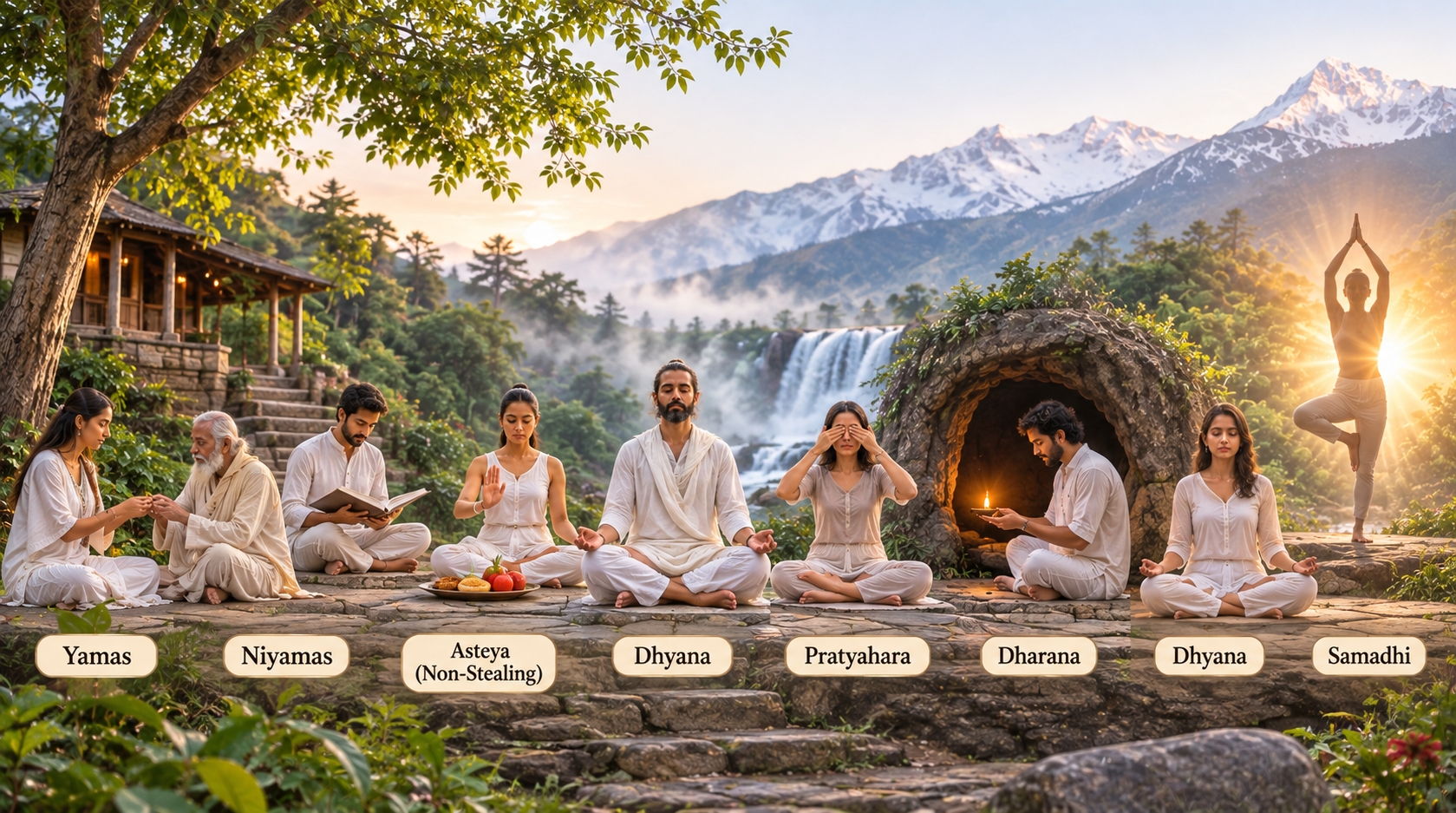
The eight limbs are:
Yama – Moral principles
Niyama – Personal discipline
Asana – Physical postures
Pranayama – Breath control
Pratyahara – Withdrawal of the senses
Dharana – Concentration
Dhyana – Meditation
Samadhi – A state of deep awareness and absorption
Let's understand each limb in simple language.
1. Yama: Practising Good Behaviour Towards Others
Yama is the first limb of yoga. It teaches us how to behave towards other people, animals and the world around us. These principles encourage kindness, honesty, respect and self-control.
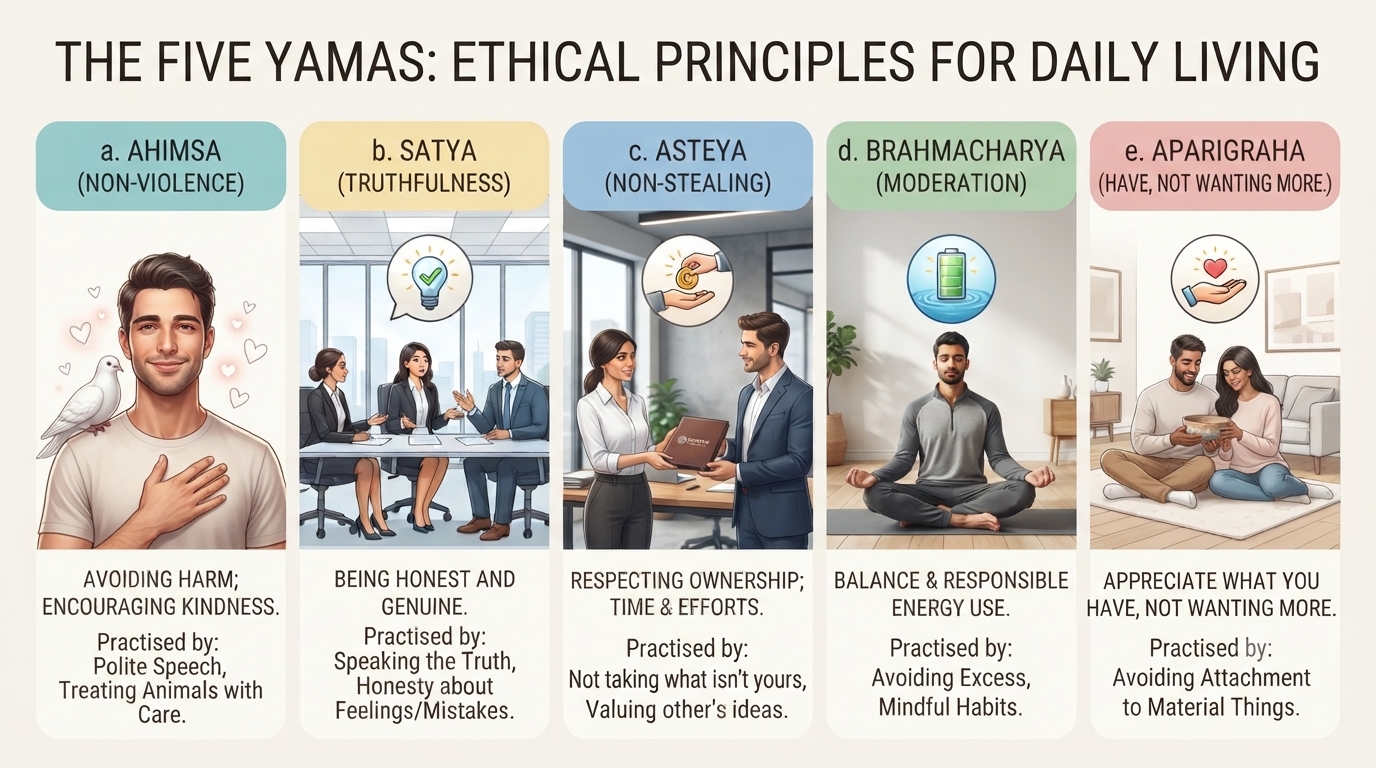
There are five Yamas:
a. Ahimsa (Non-Violence):
Ahimsa means avoiding harm through our actions, words and thoughts. It encourages kindness towards others and ourselves. For example, speaking politely, avoiding unnecessary arguments and treating animals with care are simple ways to practise Ahimsa.
b. Satya (Truthfulness):
Satya means being honest. It encourages people to speak the truth and avoid misleading others. Truthfulness also includes being honest about our feelings, actions and mistakes.
c. Asteya (Non-Stealing):
Asteya means not taking anything that does not belong to us. It also teaches us to respect other people's time, ideas and efforts.
d. Brahmacharya (Moderation):
Brahmacharya encourages balance and responsible use of energy. It teaches us not to become controlled by excessive desires or habits.
e. Aparigraha (Non-Possessiveness):
Aparigraha means avoiding unnecessary attachment to material things. It encourages people to appreciate what they have instead of constantly wanting more.
These five principles can be practised in everyday situations, including at home, at work and in relationships.
2. Niyama: Developing Personal Discipline
Niyama is the second limb and focuses on how we treat ourselves. While Yama guides our behaviour towards others, Niyama teaches personal discipline and self-development.
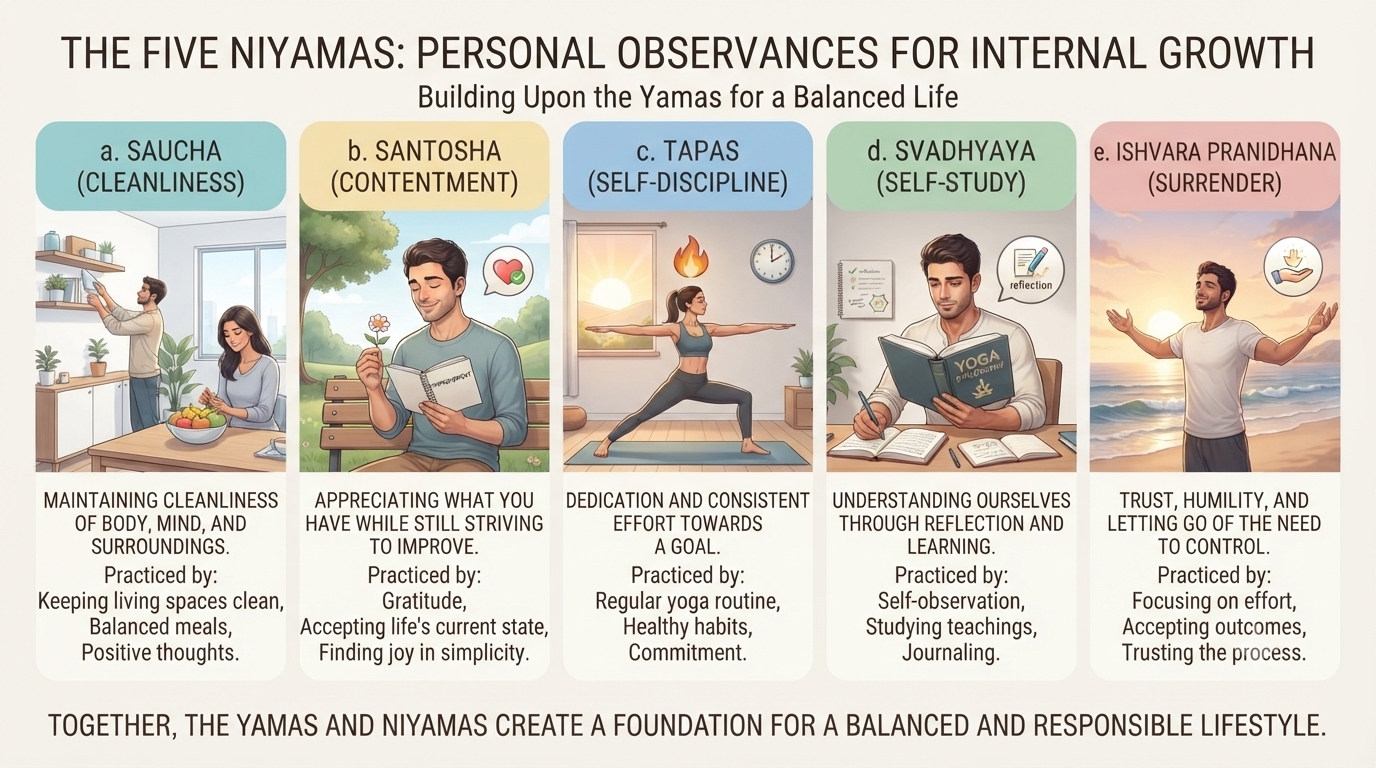
There are five Niyamas:
a. Saucha (Cleanliness):
Saucha means maintaining cleanliness in the body, mind and surroundings. Keeping our living space clean, eating balanced meals and avoiding unnecessary negative thoughts are examples.
b. Santosha (Contentment):
Santosha teaches us to appreciate what we already have. It does not mean giving up on goals. Instead, it means learning to remain grateful while continuing to improve.
c. Tapas (Self-Discipline):
Tapas refers to dedication and discipline. Following a regular yoga routine, waking up on time or maintaining healthy habits requires consistent effort.
d. Svadhyaya (Self-Study):
Svadhyaya means understanding ourselves through reflection, learning and studying meaningful teachings. Reading yoga philosophy and observing our behaviour can help develop self-awareness.
e. Ishvara Pranidhana (Surrender):
This principle encourages trust, humility and letting go of the need to control everything. It reminds us to focus on our efforts while accepting that some things are beyond our control.
Together, the Yamas and Niyamas create a foundation for a balanced and responsible lifestyle.
3. Asana: Practising Physical Postures
Asana is the third limb of yoga and the one most people recognise. It includes physical postures that improve flexibility, balance, strength and body awareness.
Some common yoga asanas include:
Tadasana (Mountain Pose)
Vrikshasana (Tree Pose)
Adho Mukha Svanasana (Downward-Facing Dog)
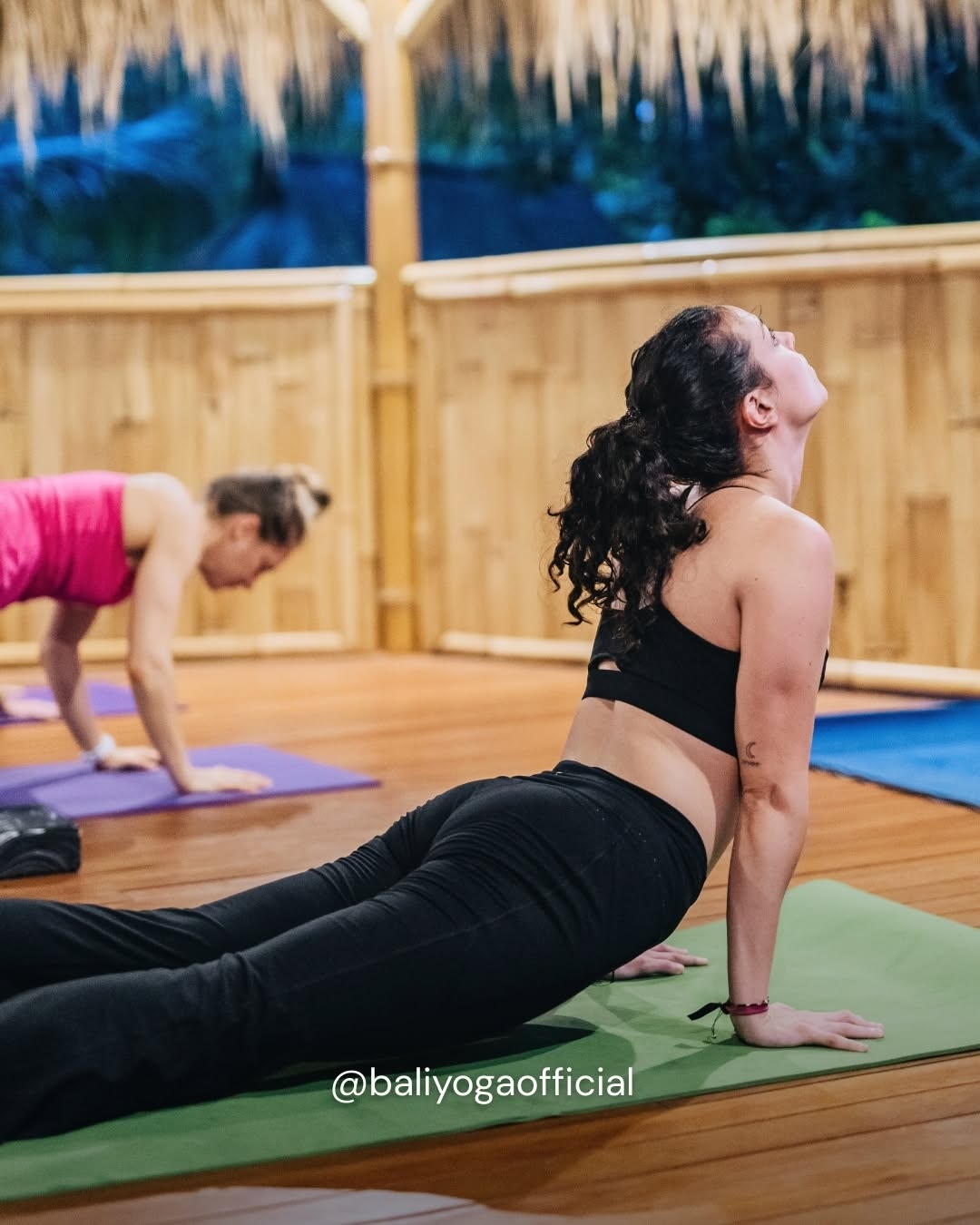
Bhujangasana (Cobra Pose)
Trikonasana (Triangle Pose)
Balasana (Child's Pose)
Asanas help prepare the body for longer periods of sitting and meditation. They also encourage people to notice their posture, breathing and physical limitations.
Beginners should start with comfortable movements and avoid forcing the body into difficult positions. The purpose of yoga is not to compete with others but to develop awareness and consistency.
4. Pranayama: Understanding the Power of Breath
Pranayama is the fourth limb of yoga. The word combines Prana, meaning life energy, and Ayama, meaning expansion or regulation.
It involves practising different breathing techniques to develop awareness of the breath and improve breathing control.
Common pranayama practices include:
Anulom Vilom
Nadi Shodhana
Bhramari Pranayama
Ujjayi Breathing
Sheetali Pranayama
A simple breathing practice can help people slow down and become more aware of the present moment. Some techniques may also support relaxation and stress management.
People with respiratory or cardiovascular conditions should seek professional guidance before trying advanced breathing exercises.
5. Pratyahara: Turning Attention Inward
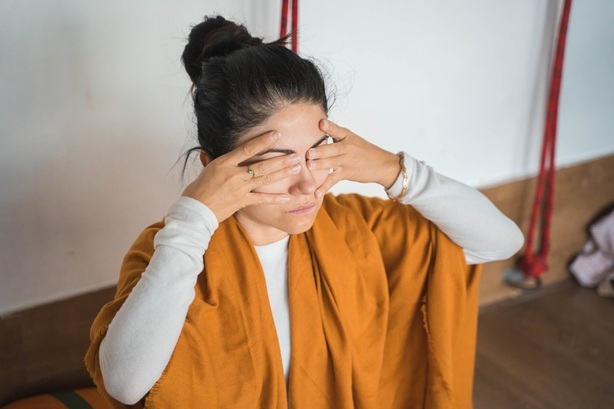
Pratyahara is the fifth limb of yoga. It refers to withdrawing the senses from constant external distractions and bringing attention towards the inner experience.
In everyday life, our minds are continuously responding to sounds, screens, conversations and other activities. Pratyahara teaches us to take a break from these distractions.
For example, sitting quietly without checking a phone, eating without watching television or spending a few minutes observing the breath are simple ways to develop sensory awareness.
This practice helps prepare the mind for concentration and meditation.
6. Dharana: Developing Concentration
Dharana is the sixth limb and means concentration. It involves directing the mind towards one object, thought or activity.
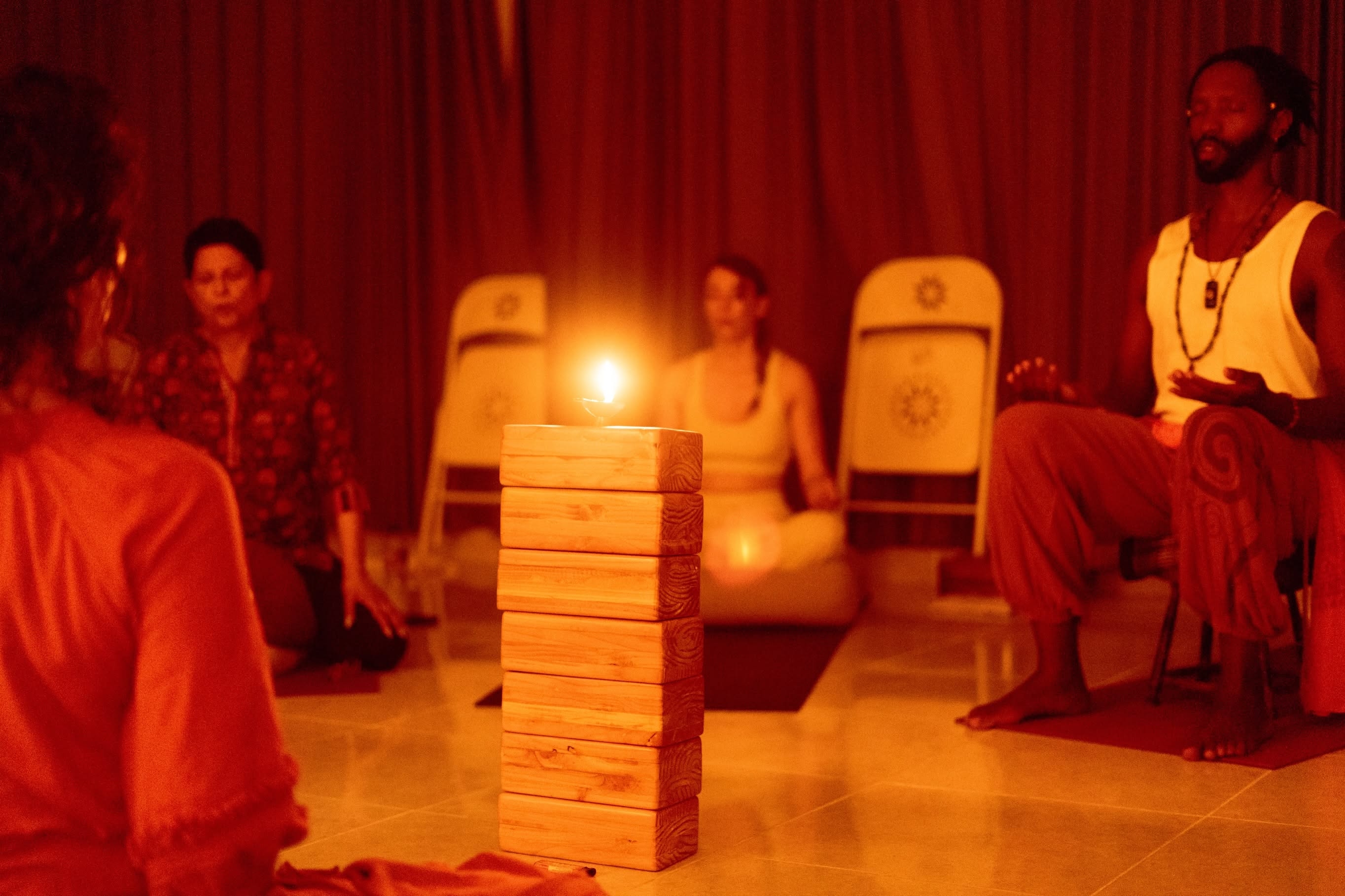
For example, a person may focus on the breath, a candle flame, a mantra or a particular point during meditation.
The mind may wander many times during this practice. This is normal. Instead of becoming frustrated, gently bring your attention back to the chosen object.
Regular concentration practice can help improve attention and reduce the habit of constantly switching between activities.
7. Dhyana: The Practice of Meditation
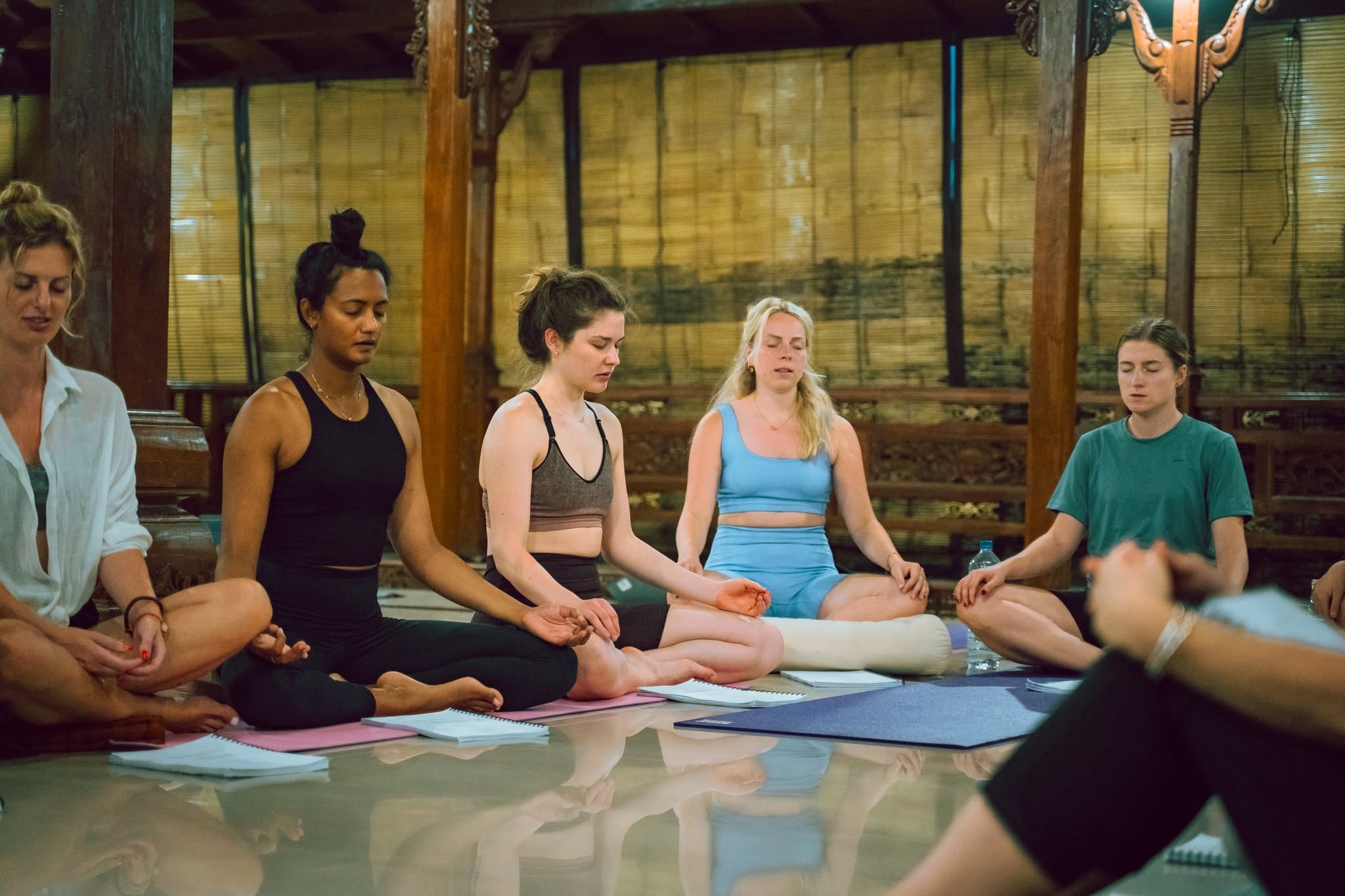
Dhyana is the seventh limb and refers to meditation. It develops when concentration becomes more continuous and natural.
During Dharana, a person makes an effort to bring the mind back to one point. In Dhyana, attention flows more steadily without frequent interruptions.
Meditation can involve observing the breath, silently repeating a mantra or simply remaining aware of the present moment.
There is no need to force the mind to become completely empty. The aim is to develop a calm relationship with thoughts rather than becoming controlled by them.
8. Samadhi: A State of Deep Awareness
Samadhi is the eighth and final limb of yoga. It is described as a state of deep absorption, where the separation between the observer and the object of meditation becomes less noticeable.
In traditional yoga philosophy, Samadhi represents a profound state of awareness and spiritual understanding.
It is not something that can be achieved through a single meditation session. It is considered the result of sustained practice, discipline and inner development.
The experience of Samadhi is described in different ways across yoga traditions, but it is generally associated with deep stillness and freedom from ordinary mental distractions.
How Can You Practise the Eight Limbs in Everyday Life?
You do not need to change your entire lifestyle in one day to understand the Eight Limbs of Yoga. Start with small habits that are easy to maintain.
Here are some simple examples:
Practise Ahimsa by speaking kindly to yourself and others.
Follow Saucha by keeping your surroundings clean.
Develop Tapas by maintaining a regular yoga schedule.
Practise Asana through gentle daily movements.
Spend five minutes observing your natural breathing.
Reduce screen distractions during meals.
Practise Dharana by focusing on one task at a time.
Include a short meditation session in your morning routine.
Consistency is more important than trying to follow every principle perfectly.
Why Are the Eight Limbs Important in Yoga Teacher Training?
Learning the Eight Limbs gives aspiring yoga teachers a deeper understanding of traditional yoga. It helps them explain that yoga is not only about physical postures but also about behaviour, discipline, breathing and meditation.
During a 200hr yoga teacher training bali programme, students can explore the connection between yoga philosophy and practical teaching. They learn how traditional principles can be introduced into modern yoga classes in a simple and meaningful way.
A structured 200 Hour Yoga Teacher Training in Bali may also include anatomy, teaching methodology, pranayama, meditation and practical asana sessions. These subjects help students develop a more complete understanding of yoga.
At Bali Yoga Retreats, students can explore traditional yoga teachings alongside physical practice and personal development in a learning environment in Bali.
Conclusion
The Eight Limbs of Yoga provide a complete guide to living with greater awareness, discipline and understanding. From practising kindness through Yama to developing concentration through Dharana and meditation through Dhyana, every limb offers lessons that can be applied to daily life.
You do not have to be an advanced yoga practitioner to begin. Small changes, such as speaking honestly, maintaining a healthy routine and spending a few minutes in silence, can help you understand these teachings.
Yoga becomes more meaningful when its principles are carried beyond the mat and included in everyday decisions. By learning and practising the Eight Limbs, people can gradually develop a more balanced relationship with their body, mind and surroundings.
Frequently Asked Questions
1. What Are the Eight Limbs of Yoga?
The Eight Limbs of Yoga are eight principles explained by Patanjali. They include Yama, Niyama, Asana, Pranayama, Pratyahara, Dharana, Dhyana and Samadhi. Together, they provide a path towards self-discipline, awareness and spiritual development.
2. Who Introduced the Eight Limbs of Yoga?
The Eight Limbs are described by the ancient sage Patanjali in the Yoga Sutras. His teachings are among the important foundations of classical yoga philosophy.
3. Is Ashtanga Yoga the Same as the Eight Limbs of Yoga?
The word Ashtanga means eight limbs. Patanjali's Ashtanga Yoga refers to the eight-part philosophical system. It should not be confused with the modern Ashtanga Vinyasa physical yoga style, which follows a structured sequence of postures.
4. Can Beginners Practise the Eight Limbs of Yoga?
Yes. Beginners can start with simple practices such as kindness, honesty, regular exercise, mindful breathing and short meditation sessions. There is no need to master all eight limbs at once.
5. Why Are the Eight Limbs Important for Yoga Teachers?
They help yoga teachers understand the broader purpose of yoga. These principles provide a foundation for teaching physical postures, breathing, concentration, meditation and healthy lifestyle habits.