Egypt’s beauty and personal care industry is evolving as consumers place greater emphasis on skincare, personal grooming, natural ingredients, convenience, and products suited to local conditions. Changing lifestyles, social media exposure, expanding product choices, and growing interest in health and wellness are influencing how consumers discover and evaluate beauty products.
A recent study by Markntel Advisor states that the Egypt beauty and personal care industry was valued at USD 1.48 billion in 2025 and is projected to grow from USD 1.52 billion in 2026 to USD 2.29 billion by 2032, registering a CAGR of 7.07% during 2026–2032. The industry’s development is being influenced by changing consumer preferences, interest in natural and organic products, social media-driven beauty discovery, convenience-focused routines, local beauty traditions, and evolving product regulations.
Natural Products Gain Consumer Attention
Interest in natural and organic beauty products is becoming more visible among Egyptian consumers. Health-conscious purchasing and awareness of product ingredients are encouraging greater attention toward formulations positioned around naturally derived ingredients and reduced use of synthetic components.
Statista’s Egypt beauty and personal care analysis identifies natural and organic products as an important consumer trend, particularly among younger consumers who increasingly consider sustainability and ethical sourcing when evaluating beauty products. This shift is influencing product development and the way brands communicate ingredient characteristics.
Skincare Remains a Key Category
Skincare encompasses products designed to care for and protect the skin, including creams, lotions, sunscreens, and other formulations. Egypt’s climate and exposure to heat and sunlight can influence consumer preferences for products addressing hydration, sun protection, and other everyday skincare requirements.
Statista’s Egypt skincare category analysis identifies creams and lotions, sunscreen, eye and hand care, baby and child skincare, and natural skincare among the category’s major product groups. These different applications provide opportunities for manufacturers to develop products around specific consumer needs.
Climate Influences Product Preferences
Egypt’s diverse climate conditions can influence beauty routines and product selection. Heat, sunlight, humidity variations, and environmental exposure can affect skin and hair-care requirements, creating demand for formulations designed around local usage conditions.
Consumers may seek lightweight skincare, sun-protection products, moisturizing formulations, and hair-care solutions that remain comfortable in warmer conditions. Product performance under local environmental conditions can therefore influence purchasing decisions.
Social Media Shapes Beauty Discovery
Social media platforms are changing how consumers discover beauty products, learn about routines, and compare product options. Beauty creators, tutorials, reviews, demonstrations, and user-generated content can introduce consumers to new products and application techniques.
Digital platforms also allow consumers to explore different beauty routines and ingredient trends. For younger audiences in particular, social media can influence awareness of emerging product categories and encourage interest in personalized beauty experiences.
Convenience Influences Modern Routines
Urban lifestyles are contributing to demand for convenient beauty and personal-care solutions. Consumers with busy schedules can favor products that combine multiple functions, simplify routines, or are easy to carry and use.
Multitasking skincare, portable beauty products, and simplified grooming routines can appeal to consumers seeking efficiency without completely changing their established beauty habits. This creates opportunities for manufacturers to develop products around convenience and everyday usability.
Local Beauty Traditions Remain Relevant
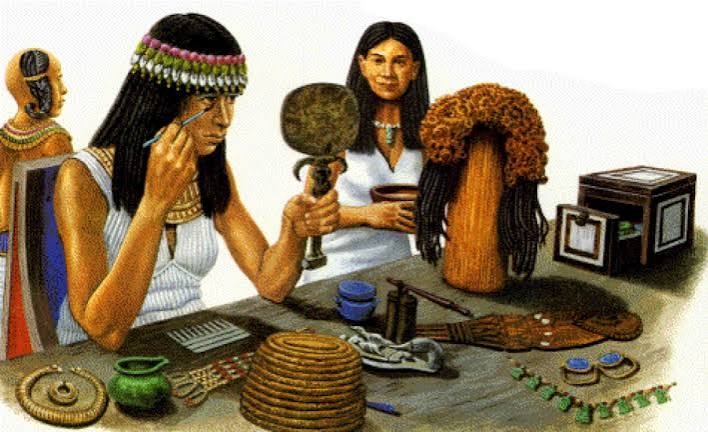
Egypt has a long history of beauty practices involving natural ingredients and traditional grooming routines. These cultural influences can continue shaping consumer interest in locally familiar ingredients and products that connect modern formulations with established beauty practices.
Local preferences can also provide opportunities for domestic manufacturers to develop products tailored to regional needs. Combining traditional ingredient familiarity with modern formulation, packaging, and quality standards can create differentiated product concepts.
Regulatory Standards Support Product Quality
Regulatory oversight is an important part of Egypt’s beauty and personal-care environment. The Egyptian Drug Authority states that cosmetic products must be notified through its electronic system before they can be circulated or imported in Egypt.
The authority’s Regulatory Guideline for Cosmetics Notification covers products including creams, emulsions, lotions, gels, oils, deodorants, hair-care products, shaving products, and other cosmetic categories. Such requirements place greater emphasis on documentation, product notification, quality, and safety.
Local Manufacturing Creates Opportunities
Local manufacturing can play an important role as demand for beauty and personal-care products expands. Domestic production can help companies respond to local consumer preferences, develop regionally relevant formulations, and manage product availability.
The Egyptian Drug Authority has also emphasized the development of local cosmetics production within its regulatory framework. Its 2022 decision on cosmetic-product notification highlighted the objectives of supporting local industry, improving product quality and safety, and strengthening market oversight.
Digital Commerce Expands Product Access
Online channels are becoming an additional route for consumers to discover and purchase beauty and personal-care products. E-commerce can provide access to broader product ranges, ingredient information, customer reviews, and different price points.
Digital channels can also support smaller and specialized brands by allowing them to reach consumers beyond traditional physical retail networks. As consumers become more comfortable researching beauty products online, digital discovery can increasingly complement offline purchasing.
Personalization Gains Importance
Beauty consumers are increasingly interested in products that correspond to individual skin, hair, lifestyle, and environmental needs. Personalized recommendations and targeted product ranges can help address these differences.
Artificial intelligence and digital beauty technologies can also support more individualized experiences through skin analysis, product recommendations, virtual consultations, and other tools. This can create opportunities for technology-enabled beauty services and product discovery.
Premium Products Face Economic Considerations
Demand for premium beauty products is influenced by purchasing power, income levels, product quality, and consumer confidence. While some consumers may seek higher-value formulations and specialized products, affordability remains relevant across a broad consumer base.
Currency movements and import costs can also influence the pricing of internationally sourced products. These factors can encourage manufacturers and retailers to maintain varied product ranges across different price segments.
Future Development Remains Consumer-Focused
The Egypt beauty and personal care industry is developing alongside interest in natural and organic products, skincare, convenience, social media-driven discovery, local beauty traditions, digital commerce, personalization, and evolving regulatory requirements. The increase from USD 1.52 billion in 2026 to USD 2.29 billion by 2032 indicates continued opportunities across skincare, personal care, cosmetics, hair care, fragrances, and related product categories.
Future development is likely to remain connected with natural formulations, locally relevant products, convenient routines, digital discovery, personalized beauty experiences, regulatory compliance, and changing consumer preferences. As Egyptian consumers continue to explore products that align with their lifestyles and individual needs, manufacturers and retailers will increasingly need to balance product functionality, accessibility, quality, and evolving beauty preferences.