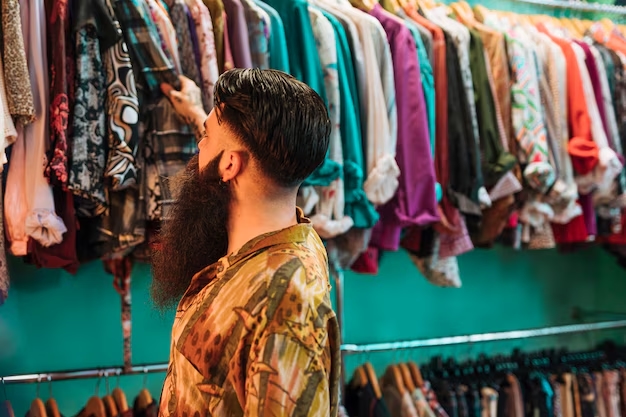
Apparel continues to play a central role in everyday life, reflecting changing lifestyles, cultural preferences, personal identity, and evolving expectations around comfort and functionality. From casualwear and sportswear to formal clothing and specialized garments, consumers now have access to a broader range of designs, fabrics, price points, and shopping formats. At the same time, fashion brands are adapting their products and operations to changing consumer behavior, digital commerce, material preferences, and sustainability considerations.
A recent study by Markntel Advisor highlights that the global apparel market size was valued at USD 1.03 trillion in 2025 and is projected to grow from USD 1.11 trillion in 2026 to USD 1.93 trillion by 2032. The industry is projected to reflect a CAGR of 9.66% during 2026–2032. Asia Pacific holds the largest share at about 49% in 2026, while man-made fibers account for about 65% by fiber type. Online retail is also gaining importance, although offline retail holds about 72% share in 2026.
Changing Lifestyles Influence Clothing Choices
Consumer lifestyles are becoming more diverse, influencing how people select and use clothing. Hybrid work, active lifestyles, travel, social occasions, and casual everyday activities are creating demand for apparel that combines comfort, versatility, and style.
Casualwear has become an important part of modern wardrobes as consumers increasingly prioritize garments that can transition between different activities. Sportswear is also moving beyond traditional exercise settings, with athletic-inspired clothing becoming part of everyday fashion.
Brands are responding by offering collections that combine practical fabrics, contemporary designs, and flexible styling. This allows consumers to use fewer garments across more situations while still maintaining individual preferences.
Man-Made Fibers Remain Important
Man-made fibers account for about 65% share in 2026, according to the Markntel Advisor study. These materials are widely used because they can provide characteristics such as durability, flexibility, lightweight construction, stretch, and moisture management.
Synthetic materials also support the development of specialized performance apparel. Sportswear, activewear, outerwear, and other functional garments can benefit from fibers engineered for particular performance requirements.
At the same time, material selection is becoming increasingly important as brands and consumers consider environmental impacts, recycled inputs, durability, and responsible sourcing.
Sustainability Gains Greater Attention
Environmental considerations are increasingly influencing conversations around apparel production and material sourcing. Textile Exchange's Materials Benchmark Insights and Trends 2025 reports that the share of raw materials under sustainability programs among participating reporting brands increased from 58% in 2023 to 67% in 2024. The organization also reported that virgin fossil-based polyester use among the relevant reporting brands declined from 637,388 tonnes in 2023 to 560,029 tonnes in 2024.
These developments demonstrate increasing attention toward material sourcing, recycled inputs, climate impacts, and broader environmental performance across fashion supply chains.
Digital Shopping Changes Product Discovery
E-commerce is changing how consumers discover, compare, and purchase clothing. Online platforms allow shoppers to explore extensive collections without visiting physical stores, while product recommendations, reviews, images, and personalized suggestions can help consumers narrow their choices.
Digital shopping is also giving smaller and emerging fashion brands opportunities to reach consumers beyond their local markets. Social media further strengthens this process by connecting fashion discovery with creators, influencers, styling content, and user-generated reviews.
However, online apparel shopping continues to face challenges related to size and fit. Consumers cannot physically try garments before ordering, which can contribute to returns. Research published through arXiv on size and fit-related fashion returns identifies fit as a major factor influencing online apparel returns and explores technology-based approaches to improve sizing decisions.
Physical Retail Remains Relevant
Despite the expansion of e-commerce, physical stores continue to provide important advantages for apparel shoppers. Consumers can examine fabrics, evaluate garment construction, try different sizes, and assess fit before completing purchases.
According to the Markntel Advisor study, offline retail accounts for about 72% share in 2026, demonstrating the continuing importance of physical shopping channels.
Many consumers are therefore combining online and offline shopping, using digital platforms for product discovery and physical stores for fitting and final purchase decisions.
Repair and Resale Gain Consumer Interest
The focus on extending garment life is also creating greater attention around repair, resale, reuse, and second-hand clothing. These approaches can provide consumers with alternatives to frequently purchasing new garments while helping extend the useful life of existing products.
Recent developments show that apparel brands are increasingly experimenting with repair services and sewing initiatives. Associated Press reported that brands including Levi's, Uniqlo, and Zara are expanding repair services and sewing-related programs, partly in response to younger consumers' interest in sustainability and value.
Product Innovation Expands Apparel Applications
Innovation remains important across apparel categories. Brands are developing garments with stretch, moisture management, temperature regulation, improved durability, lightweight construction, and other functional characteristics.
Technology is also influencing clothing design through digital sampling, automated production processes, data-driven demand planning, and increasingly personalized product recommendations. These developments can help brands respond more quickly to changing preferences while improving production efficiency.
Asia Pacific Holds a Leading Position
Asia Pacific accounts for about 49% share in 2026, making it the leading regional contributor according to the Markntel Advisor study. The region combines large consumer populations with extensive textile and garment manufacturing capabilities.
Countries across Asia Pacific also serve as important production centers for international fashion brands. Increasing domestic consumption alongside export-oriented manufacturing creates opportunities for both established companies and emerging apparel businesses.
Apparel Continues to Evolve with Consumer Preferences
Apparel is evolving through changing lifestyles, digital shopping, material innovation, sustainability initiatives, and shifting expectations around comfort and functionality. Consumers increasingly have access to products designed for specific activities, personal styles, and purchasing preferences.
Future developments are likely to emphasize versatile designs, functional materials, digital retail experiences, improved fit solutions, responsible sourcing, repair, resale, and longer garment lifecycles. As consumers continue balancing style, convenience, value, and environmental considerations, apparel will remain an important part of everyday consumption and personal expression.



