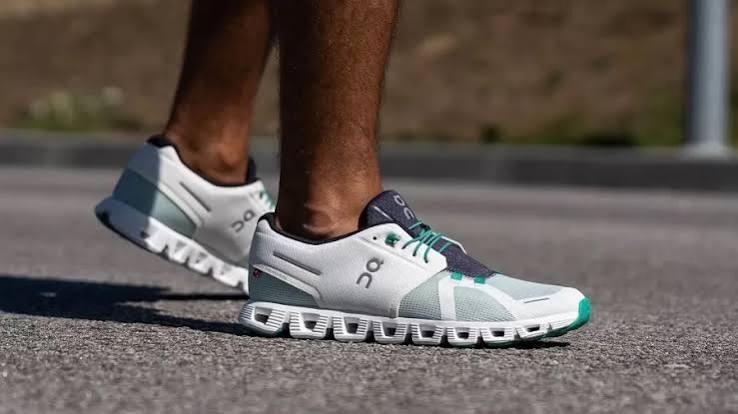
Athletic footwear has moved beyond traditional sports use to become an important part of everyday clothing, fitness routines, outdoor activities, and active lifestyles. Consumers increasingly look for shoes that combine comfort, durability, performance, design, and versatility. At the same time, manufacturers are investing in cushioning systems, lightweight materials, advanced construction techniques, and more sustainable production approaches.
A recent study by Markntel Advisor states that the athletic footwear sector was valued at USD 131 billion in 2025 and is projected to grow from USD 139 billion in 2026 to USD 187 billion by 2032, registering a CAGR of 5.08% during 2026–2032. The industry’s development is being influenced by rising participation in fitness activities, growing interest in comfortable everyday footwear, product innovation, premium performance designs, e-commerce adoption, and increasing attention toward sustainable materials.
Fitness Participation Supports Demand
Growing interest in running, walking, gym workouts, outdoor recreation, and organized sports is supporting demand for athletic footwear. Consumers increasingly recognize footwear as an important component of physical activity because appropriate shoes can provide cushioning, stability, grip, and support.
Athletic footwear is also benefiting from the broader adoption of active lifestyles. Running and training shoes are increasingly worn outside sports environments, including during commuting, casual activities, and everyday urban use. This expansion of usage creates opportunities for brands to design products that balance technical performance with lifestyle appeal.
Performance Technology Drives Innovation
Manufacturers are continuously developing footwear technologies designed to improve comfort and athletic performance. Cushioning systems, lightweight midsoles, breathable uppers, improved traction, and stability features are among the areas receiving attention.
Recent industry research highlights advances such as PEBA-based midsoles, carbon-fiber plates, adaptive materials, and improved outsole designs. These technologies are increasingly moving from specialized performance products toward broader consumer offerings.
The result is a category where consumers can choose footwear according to specific activities, including running, training, court sports, hiking, and general fitness.
Running Shoes Gain Wider Appeal
Running shoes have developed into both performance products and lifestyle footwear. Recreational runners and everyday consumers are increasingly interested in lightweight construction, responsive cushioning, breathable materials, and supportive designs.
Product innovation is particularly visible in high-performance running footwear, where manufacturers are experimenting with advanced foam technologies and carbon-fiber plates. These developments have also influenced the design of shoes intended for recreational users seeking greater comfort and responsiveness.
Athleisure Expands Everyday Usage
The popularity of athleisure is blurring the distinction between athletic and casual footwear. Consumers increasingly wear sports-inspired shoes with everyday clothing because of their combination of comfort and contemporary design.
This trend allows brands to address consumers who may purchase athletic footwear for multiple purposes rather than a single sport. Shoes designed for walking, commuting, travel, and casual activities can therefore reach audiences beyond dedicated athletes.
Sustainability Influences Product Development
Sustainability is becoming an increasingly important consideration across footwear production. Manufacturers are exploring recycled materials, bio-based components, lower-waste manufacturing techniques, and initiatives designed to extend product life.
World Athletics highlights the growing focus on environmental responsibility within sportswear manufacturing, including efforts to reduce the production footprint of athletic products. Its sportswear sustainability feature describes how manufacturers are increasingly considering environmental impacts alongside athletic performance.
Sustainability claims, however, also face greater consumer and regulatory scrutiny. Brands therefore need stronger material traceability and credible information about environmental performance.
Comfort Remains a Core Purchasing Factor
Comfort remains central to athletic footwear selection. Consumers can spend several hours wearing shoes during exercise, work, travel, or everyday activities, making cushioning, fit, weight, breathability, and support important considerations.
Manufacturers are responding with different foot shapes, cushioning levels, heel structures, toe-box configurations, and upper materials. Improved fit technologies are also being explored to provide more personalized footwear experiences.
Digital Retail Expands Product Discovery
E-commerce has changed how consumers research and purchase athletic footwear. Online platforms allow shoppers to compare prices, specifications, reviews, sizes, colours, materials, and product features before purchasing.
Digital channels also allow brands to communicate directly with consumers through product education, social media, targeted campaigns, and direct-to-consumer platforms. Physical specialty stores remain relevant because consumers can test fit and receive product guidance, creating a multi-channel purchasing environment.
Premium Products Create Differentiation
Premium athletic footwear increasingly incorporates advanced materials and specialized performance features. Consumers who prioritize running performance, durability, comfort, or technical specifications may be willing to pay more for differentiated products.
However, affordability remains relevant across many consumer groups. This creates opportunities for brands to offer products at multiple price points while maintaining clear differences in materials, construction, technology, and intended use.
Product Design Becomes More Versatile
Athletic footwear is increasingly designed around multiple use cases. Consumers may expect one pair of shoes to support walking, light exercise, travel, and casual wear.
Manufacturers are therefore developing products that combine technical features with lifestyle-oriented colours, silhouettes, and materials. This versatility can increase product relevance among consumers who are not professional athletes but maintain active routines.
Competition Encourages Faster Innovation
The athletic footwear industry is highly competitive, with established global brands, specialist performance companies, lifestyle brands, and emerging direct-to-consumer businesses competing for consumers.
Competition is increasingly focused on product technology, brand identity, athlete partnerships, sustainability, design, pricing, and digital engagement. Limited launches, collaborations, specialized collections, and performance-focused products are also being used to differentiate brands.
Sustainability Requires Greater Transparency
While sustainable materials are gaining attention, environmental responsibility involves more than replacing one material with another. Manufacturing processes, transportation, product durability, repairability, recycling, and end-of-life management can all influence a shoe’s overall environmental footprint.
Recent academic research published in Scientific Reports emphasizes the complexity of evaluating sustainability and performance across footwear supply chains. Its research on sustainability and performance indicators in footwear highlights the importance of considering multiple environmental and performance factors rather than relying on a single sustainability claim.
Future Development Remains Innovation-Focused
The athletic footwear industry is developing alongside fitness participation, athleisure adoption, product innovation, digital retail, premium performance products, and increasing attention to sustainability. The increase from USD 139 billion in 2026 to USD 187 billion by 2032 indicates continued opportunities across running, training, sports, outdoor activities, and lifestyle footwear.
Future development is likely to remain connected with advanced cushioning, lightweight materials, improved fit, sustainable inputs, digital commerce, versatile designs, and performance-oriented innovation. As consumers increasingly expect athletic footwear to deliver comfort, functionality, style, and responsible production, manufacturers will need to balance technical performance with evolving lifestyle and environmental expectations.