When considering How is the tattoo prepared before PicoSure treatment?, preparation usually involves assessing the tattoo and surrounding skin, avoiding excessive sun exposure, keeping the area free from irritation, and arriving with clean skin. The practitioner also reviews factors such as tattoo color, size, location, previous treatments, medications, and skin characteristics before selecting appropriate laser settings. If you are researching إزالة الوشم بيكوشور في دبي, understanding the preparation process can help you know how to get ready for your appointment.
Have A Professional Consultation:
Preparation begins before the actual laser appointment with a professional consultation.
The practitioner evaluates the tattoo and the surrounding skin to determine whether PicoSure treatment is appropriate. The American Academy of Dermatology recommends considering the tattoo's age, ink depth, colors, location, overall health, medications, and history of raised scars before laser tattoo removal.
The consultation also provides an opportunity to discuss previous tattoo-removal treatments, skin reactions, allergies, and realistic expectations.
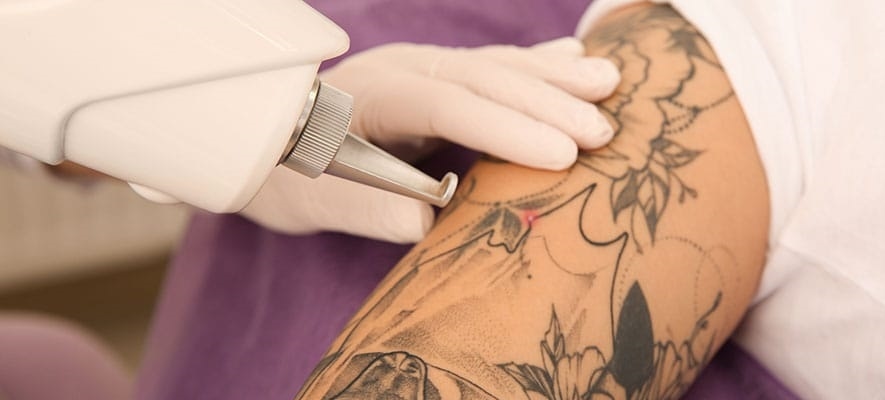
Avoid Excessive Sun Exposure:
Protecting the tattooed area from excessive sun exposure before treatment is important.
Tanned or sun-exposed skin can increase the risk of unwanted reactions during laser treatment. Clinical PicoSure preparation guidance recommends avoiding tanning and excessive sun exposure before treatment.
The exact period may vary according to the practitioner and treatment plan. Follow the specific instructions provided for your skin.
Keep The Skin Calm:
The tattooed area should be free from active irritation, sunburn, cuts, or other problems before treatment.
Avoid scratching, picking, or using products that cause irritation on the tattoo. If the skin is inflamed or damaged, the practitioner may recommend postponing the session until it has recovered.
Treating healthy, intact skin allows the practitioner to assess the area more accurately and may help reduce avoidable complications.
Review Medications And Skincare Products:
Tell your practitioner about medications, supplements, skincare products, allergies, and previous laser treatments.
The AAD recommends discussing medications and health conditions during the consultation because these factors can affect laser treatment planning.
Do not stop prescribed medication on your own. If a medication or skincare product could affect treatment, your qualified practitioner can provide individualized instructions.
Avoid Irritating Products:
Depending on the practitioner's instructions, you may be asked to avoid products that can make the skin more sensitive before treatment.
Some clinics recommend temporarily avoiding retinoids, strong exfoliating products, bleaching products, or other potentially irritating products on the treatment area.
Because preparation requirements can differ according to the individual's skin and treatment plan, follow the instructions given by your provider rather than applying a universal schedule.
Keep The Tattoo Clean:
On the day of treatment, the tattooed area should generally be clean and free from products.
Creams, lotions, oils, makeup, and sunscreen may need to be removed before the laser is applied. University of Rochester PicoSure tattoo-removal instructions specifically recommend that the treatment area be clean and free from lotion, makeup, and sunscreen before treatment.
The practitioner can then properly examine and prepare the skin immediately before treatment.
Avoid Self-Tanner On The Treatment Area:
Self-tanning products should generally be avoided on the tattooed area before laser treatment.
Changes in the skin's surface color can affect laser treatment planning and may increase the potential for unwanted reactions.
Some laser tattoo-removal preparation instructions specifically recommend avoiding sunless tanning products before treatment.
If you regularly use a self-tanning product, tell your practitioner so they can advise you about when to stop using it.
Manage Hair On The Treatment Area If Necessary:
If there is significant hair over the tattoo, the practitioner may provide instructions about removing it before treatment.
Shaving may be acceptable in some cases, while waxing and chemical depilatories may need to be avoided because they can irritate the skin. University of Rochester guidance allows shaving but recommends avoiding waxing and chemical depilatories around the treatment period.
Do not remove hair simply because you assume it is required. Follow the instructions provided for your specific treatment area.
Prepare For Comfort:
PicoSure tattoo removal can cause discomfort, and some practitioners may offer a topical anesthetic to improve comfort.
Cynosure notes that tattoo-removal treatment can feel similar to the tattooing process and that a provider may offer numbing cream.
The decision to use a numbing product depends on the treatment area, tattoo characteristics, individual sensitivity, and practitioner preference.
The Tattoo Is Examined Again Before Treatment:
Immediately before treatment, the practitioner may inspect the tattoo again.
The color, density, size, surrounding skin, and any recent changes are considered before laser settings are finalized. PicoSure systems can use different wavelengths for tattoo removal, so treatment parameters can be adjusted according to the tattoo and skin characteristics.
If the skin appears irritated, sunburned, infected, or otherwise unsuitable, treatment may need to be delayed.
What Should You Avoid Before PicoSure Treatment?
Preparation commonly includes avoiding:
Excessive sun exposure and tanning
Sunless tanning products
Scratching or picking the tattoo
Irritating skincare products
Waxing or chemical depilatories when advised
Arriving with creams, oils, makeup, or other products on the tattoo
The exact instructions can vary, so your practitioner should provide the final preparation plan.
Does Preparation Affect PicoSure Results?
Preparation is an important part of responsible laser treatment, but it does not guarantee a particular outcome.
Tattoo response depends on many factors, including ink color, depth, density, tattoo location, previous treatments, skin characteristics, and individual response.
The AAD emphasizes that multiple sessions are commonly needed because tattoo ink is deposited in layers and the skin needs time to heal between treatments.
Following preparation instructions can help the practitioner treat the tattoo under appropriate conditions.
Frequently Asked Questions:
How should I prepare my tattoo before PicoSure?
Avoid excessive sun exposure, keep the skin calm, and arrive with the tattoo clean and free from creams, lotions, makeup, and other products.
Can I use sunscreen before PicoSure?
Sun protection is important before treatment, but the treatment area generally needs to be free of sunscreen and other products when the laser is applied.
Can I shave before PicoSure tattoo removal?
Shaving may be permitted when necessary, but waxing and chemical depilatories may need to be avoided. Follow your practitioner's instructions.
Should I avoid the sun before PicoSure?
Yes. Avoiding tanning and excessive sun exposure before treatment is commonly recommended to reduce potential treatment complications.
Should I stop my medications before treatment?
Do not stop prescribed medication without medical advice. Tell your practitioner about all medications and supplements so they can determine whether any changes are necessary.
Should I apply numbing cream before treatment?
A topical anesthetic may sometimes be used for comfort, but whether it is appropriate depends on the practitioner and treatment plan.
Conclusion:
Understanding How is the tattoo prepared before PicoSure treatment? involves more than simply cleaning the tattoo before the laser session. Preparation generally includes a professional assessment, protecting the area from excessive sun exposure, avoiding irritation, reviewing medications and skincare products, and keeping the tattoo clean and free from products before treatment. The practitioner then evaluates the tattoo and surrounding skin and selects appropriate laser settings. Following individualized preparation instructions can help create suitable conditions for treatment and support a safer, more controlled tattoo-removal process.