Understanding What is the FUE Hair Transplant recovery timeline? can help patients prepare for the days and weeks following treatment. Recovery usually happens gradually, with early scalp healing occurring before transplanted hair begins to show noticeable growth. If you are researching زراعة الشعر بتقنية FUE في دبي, knowing what to expect at each stage can make the recovery process easier to understand.
What Happens Immediately After FUE?
Immediately after an FUE Hair Transplant, the scalp may appear red or slightly swollen. Small extraction and implantation points can also be visible.
Some patients may experience mild tenderness, tightness, or sensitivity. These effects are generally temporary and can vary according to the number of grafts, treatment area, individual healing response, and treatment technique.
The medical team will provide aftercare instructions to help protect the transplanted follicles during the early healing period.
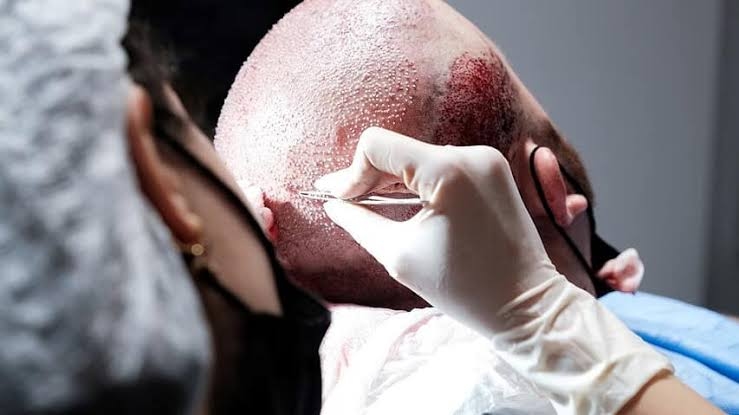
FUE Recovery Timeline: First 24 Hours:
During the first day, the transplanted area needs careful protection. Patients should avoid unnecessary touching, rubbing, or pressure on the scalp.
The scalp may feel sensitive, and mild swelling can occur. Some people may also notice small spots or crusts around the grafts.
Patients should follow the specific instructions provided by their practitioner regarding sleeping position, scalp care, medication, and physical activity.
Days 2 To 3:
During the next few days, redness and swelling may remain noticeable. Small crusts can begin developing around the transplanted follicles and donor area.
Patients should continue following their aftercare instructions and avoid activities that could place unnecessary pressure or friction on the scalp.
Depending on the individual's recovery and type of work, some people may gradually return to normal daily activities during this period.
Days 4 To 7:
By the end of the first week, the scalp usually begins looking more settled. Crusting may still be present, but it gradually becomes less noticeable.
Gentle scalp washing may be introduced according to the practitioner's instructions. Patients should avoid picking or scratching crusts because unnecessary manipulation can irritate healing skin.
Physical activity may still need to be limited, particularly activities involving heavy sweating or direct contact with the scalp.
Week 2:
During the second week, much of the initial redness and crusting may have improved. However, the scalp may not yet look completely normal.
The transplanted follicles continue establishing themselves, while the donor area continues healing.
Patients should continue following professional aftercare recommendations and attend follow-up appointments when advised.
Weeks 3 To 4:
Around the third and fourth weeks, the scalp may appear considerably more healed. Some transplanted hairs may begin shedding during this period.
Temporary shedding does not necessarily mean that the transplant has failed. The follicle can remain within the skin while the visible hair shaft sheds before a new growth cycle begins.
The timing and extent of shedding vary from person to person.
Months 2 To 3:
The early healing phase is generally well underway by this point, but visible hair growth may still be limited.
Patients may enter a period where there appears to be little change. This can be normal because transplanted follicles require time to progress through their natural growth cycles.
It is important to avoid judging the final outcome too early.
Months 3 To 6:
New hair growth may become increasingly noticeable during this stage. Initially, new hairs can appear fine, soft, or uneven.
As the follicles continue developing, the hair can gradually become thicker and more visible.
The rate of growth differs between individuals, so some patients may notice changes earlier or later than others.
Months 6 To 12:
During the later stages of recovery, transplanted hair generally continues increasing in length, density, and overall appearance.
The hairline and treated areas may look progressively fuller as more follicles produce visible hair.
The final outcome can continue developing beyond the first year, depending on individual growth characteristics and the extent of treatment.
What Factors Affect The Recovery Timeline?
Several factors can influence the FUE recovery experience.
Number Of Grafts:
A larger transplant may involve more extraction and implantation sites, which can influence early scalp healing.
Individual Healing:
People heal at different rates. Skin characteristics, general health, and individual biological responses can affect recovery.
Aftercare:
Following the practitioner's instructions can help protect the grafts and support appropriate healing.
Treatment Area:
The location and size of the transplanted area can influence both the healing process and the appearance of early recovery.
Lifestyle:
Smoking, strenuous exercise, inadequate rest, and other lifestyle factors may influence recovery and should be discussed with the medical team.
How Can Patients Support Recovery?
Patients can support the recovery process by following their personalized aftercare instructions carefully.
This may include protecting the scalp from unnecessary pressure, following recommended washing instructions, avoiding strenuous activities for the advised period, and attending follow-up appointments.
Patients should also avoid picking crusts or unnecessarily touching the transplanted area.
When Should You Contact Your Practitioner?
Some redness, swelling, tenderness, and crusting can occur during normal recovery. However, patients should contact their practitioner if they experience severe or worsening symptoms.
Significant pain, excessive bleeding, unusual swelling, or possible signs of infection should be assessed by a qualified medical professional.
Frequently Asked Questions:
What is the FUE Hair Transplant recovery timeline?
Initial scalp healing generally occurs during the first days and weeks, while visible hair growth develops gradually over several months.
How long does redness last after FUE?
Redness varies between individuals and may become less noticeable during the first days or weeks as the scalp heals.
When do FUE scabs disappear?
Crusting generally decreases during the early healing period. Patients should allow crusts to loosen naturally and follow their practitioner's washing instructions.
When does transplanted hair start growing?
Noticeable growth commonly develops over several months. The timing varies according to individual hair-growth cycles.
Is shedding normal after FUE?
Temporary shedding of transplanted hairs can occur during the early growth cycle. The follicles can remain in place and later produce new hair.
Conclusion:
Understanding What is the FUE Hair Transplant recovery timeline? shows that recovery involves several stages rather than a single recovery date. The first days focus on protecting the grafts and managing temporary redness, swelling, and crusting. During the following weeks, the scalp gradually heals and temporary shedding may occur. New hair growth then develops progressively over the following months, with the overall result continuing to mature over time. Following personalized aftercare instructions and attending recommended follow-ups can help support a smooth recovery.