When considering Who Is A Good Candidate For Jawline Contouring Treatment?, it is important to understand that suitability depends on facial anatomy, skin condition, treatment goals, and overall health. Jawline contouring may be considered by people who want to improve the definition, shape, or proportions of their lower face. Depending on the concern, treatment may involve dermal fillers, fat-reduction procedures, skin-tightening techniques, or surgical approaches. To explore related treatment information, you can learn more about تحديد خط الفك في دبي. A professional assessment is important before choosing any particular technique.
What Makes Someone A Good Candidate?
A good candidate is generally someone who has a specific cosmetic concern involving the appearance of the jawline and realistic expectations about what treatment can achieve.
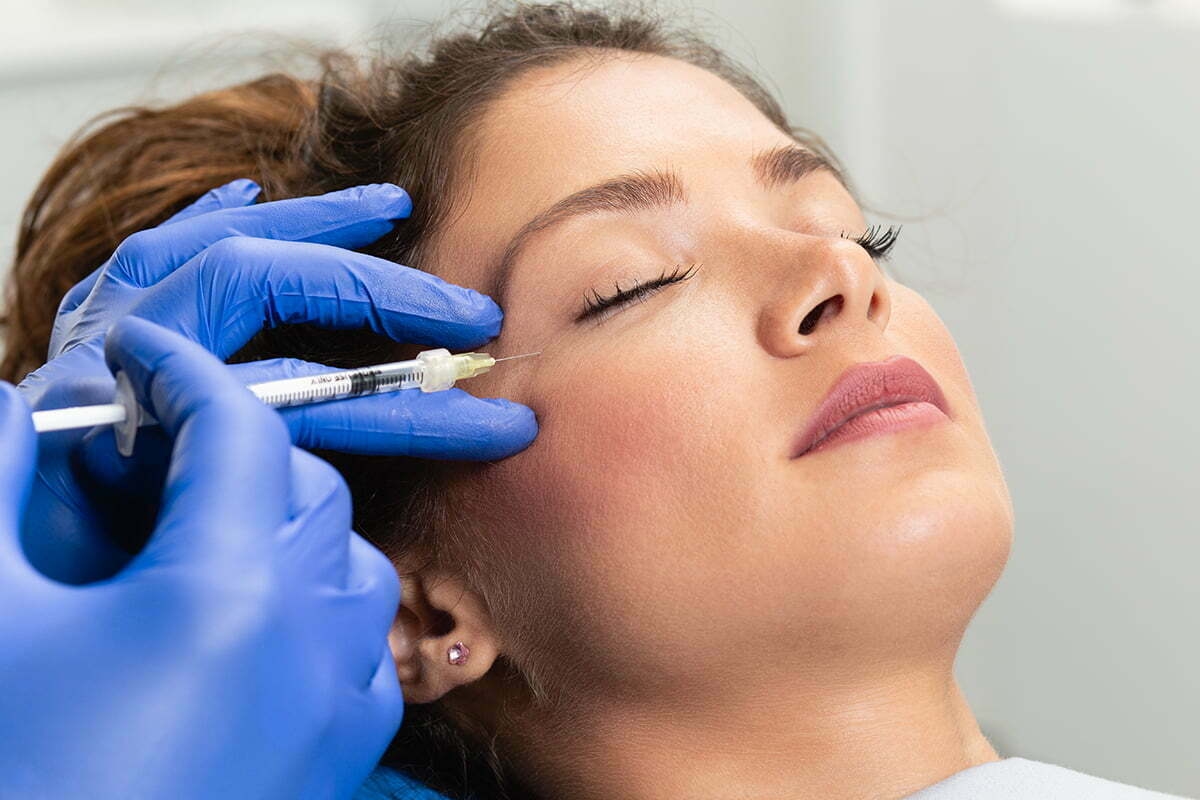
Jawline contouring may be considered when the lower face appears less defined because of factors such as limited structural definition, localized fullness, mild skin laxity, or facial proportions.
The appropriate treatment depends on the underlying cause rather than simply the desire for a more prominent jawline.
People Seeking Greater Jawline Definition:
Individuals with a naturally soft or less prominent jawline may consider contouring to create a more defined-looking lower face.
For example, dermal fillers may be used to add strategic volume along selected areas when additional structure is appropriate.
The objective is generally to complement existing facial features rather than create an exaggerated appearance.
People With Localized Fullness:
Localized fullness beneath the chin or around the lower face can make the jawline appear less visible.
People whose primary concern is excess localized fat may be candidates for suitable fat-reduction approaches.
However, fat reduction may not be appropriate when the main concern is a lack of structural definition or significant skin laxity. A professional assessment can help distinguish between these factors.
People With Mild Skin Laxity:
Changes in skin elasticity can make the jawline appear softer over time.
Individuals with mild skin laxity may be considered for selected skin-tightening treatments that aim to improve the appearance of firmness.
These treatments generally do not change the underlying bone structure but may help create a more defined-looking contour by improving the appearance of the surrounding tissues.
People Seeking Improved Facial Proportions:
Jawline contouring may also be considered by people who feel that the lower face does not appear proportionate to the chin, cheeks, or neck.
A customized approach can focus on creating better visual balance between these areas.
The goal is not necessarily to make the jawline larger. In some cases, subtle changes may be sufficient to improve the overall appearance of the face.
People With Realistic Expectations:
Realistic expectations are an important part of candidacy.
Jawline contouring can improve the appearance of facial definition, but it cannot guarantee perfect symmetry or completely change natural facial anatomy.
A suitable candidate should understand that results vary according to the procedure, facial structure, skin condition, and individual response.
People seeking subtle, proportionate improvements may be better suited to customized contouring than those expecting a complete transformation.
People In Good General Health:
Overall health may also be considered before treatment.
The practitioner may review medical history, medications, allergies, previous procedures, and relevant health conditions.
For invasive or surgical procedures, a more detailed medical assessment may be required.
People with certain health conditions or factors that could increase treatment risks may need additional evaluation before proceeding.
Who May Need To Delay Treatment?
Some individuals may need to postpone jawline contouring until a specific issue has resolved.
Treatment may be delayed when there is:
An active skin infection
Significant skin irritation or inflammation
An untreated wound in the treatment area
Certain temporary health concerns
A recent procedure requiring additional healing time
The appropriate timing depends on the individual's circumstances and the procedure being considered.
Does Age Affect Candidacy?
Age alone does not determine whether someone is suitable for jawline contouring.
Instead, factors such as facial development, skin condition, treatment goals, and overall health are more relevant.
Younger adults may seek greater structural definition, while older adults may be more concerned with skin laxity or changes in facial contour associated with aging.
The treatment approach should therefore be based on the individual's anatomy and concerns.
Can Men And Women Have Jawline Contouring?
Jawline contouring can be considered by both men and women.
However, facial proportions and aesthetic goals may differ between individuals. Some people may prefer a more angular appearance, while others may want subtle refinement and balance.
The treatment should be customized according to individual facial characteristics rather than applying the same contouring approach to everyone.
Is Non-Surgical Contouring Suitable For Everyone?
Non-surgical treatment can be suitable for many individuals, but it is not automatically appropriate for everyone.
Dermal fillers, fat-reduction treatments, and skin-tightening procedures address different concerns. The correct option depends on the amount of definition desired, skin elasticity, facial fullness, and other factors.
A consultation can help determine whether a non-surgical approach is likely to address the primary concern.
What Should Be Discussed During A Consultation?
Before treatment, it is useful to discuss:
Your desired jawline appearance
Existing facial proportions
Suitable treatment options
Expected results
Possible side effects
Recovery requirements
Maintenance needs
Previous cosmetic procedures
Relevant medical history and medications
This information helps the practitioner develop a treatment plan that is appropriate for the individual's circumstances.
Frequently Asked Questions:
Who is a good candidate for Jawline Contouring Treatment?
A good candidate generally has a specific concern about jawline definition, facial proportions, localized fullness, or mild skin laxity and has realistic expectations about the results.
Can someone with a weak jawline have contouring?
Yes, depending on the underlying anatomy. Certain treatments may add strategic definition, while other approaches may be more appropriate depending on the individual's facial structure.
Is jawline contouring suitable for people with facial fullness?
It may be, particularly when localized fullness affects jawline visibility. However, the cause of the fullness should be assessed before selecting a treatment.
Can people with loose skin have jawline contouring?
People with mild skin laxity may benefit from selected skin-tightening approaches. More significant laxity may require a different treatment strategy.
Who should avoid jawline contouring?
People with active infections, significant irritation, certain medical conditions, or other factors that could increase treatment risks may need to postpone treatment or undergo additional medical assessment.
Conclusion:
Understanding Who Is A Good Candidate For Jawline Contouring Treatment? requires more than considering age or the desire for a sharper jawline. Suitable candidates are generally those with specific concerns such as limited definition, localized fullness, mild skin laxity, or lower-face proportions they would like to refine. Realistic expectations, appropriate health status, and individual facial anatomy are also important considerations. A professional consultation can help determine whether jawline contouring is suitable and which technique may best address the individual's specific concerns.