Considering a few weeks of yoga study in India but unsure where to begin? You are not alone. More travellers, particularly younger ones, are choosing trips built around learning rather than sightseeing, and yoga teacher training has become a popular way to do it. This guide walks through the questions first-time students ask most often, so you can decide with confidence whether a 200 hour yoga teacher training in Rishikesh suits you.
Why Choose Teacher Training Over a Regular Yoga Holiday?
A typical yoga holiday means drop-in classes, usually fitted around other plans. A teacher training course is structured study. You practise daily, learn the theory behind what you are doing and build the skills needed to guide others. Over several weeks, understanding replaces guesswork, and the practice stops being something you attend and becomes something you know from the inside. That is why the format appeals to travellers who want a trip with something lasting to show for it.
Why Rishikesh?

Rishikesh is one of India’s best-known yoga destinations. It brings together yoga, spiritual tradition, natural surroundings and local culture in a single place. For international visitors in particular, staying for several weeks allows a different kind of experience from a short break. Instead of moving quickly from one attraction to the next, you settle in, learn the rhythm of the place and spend your energy on one pursuit. Residential programmes there serve both Indian and international students.
What Does the 200-Hour Course Cover?
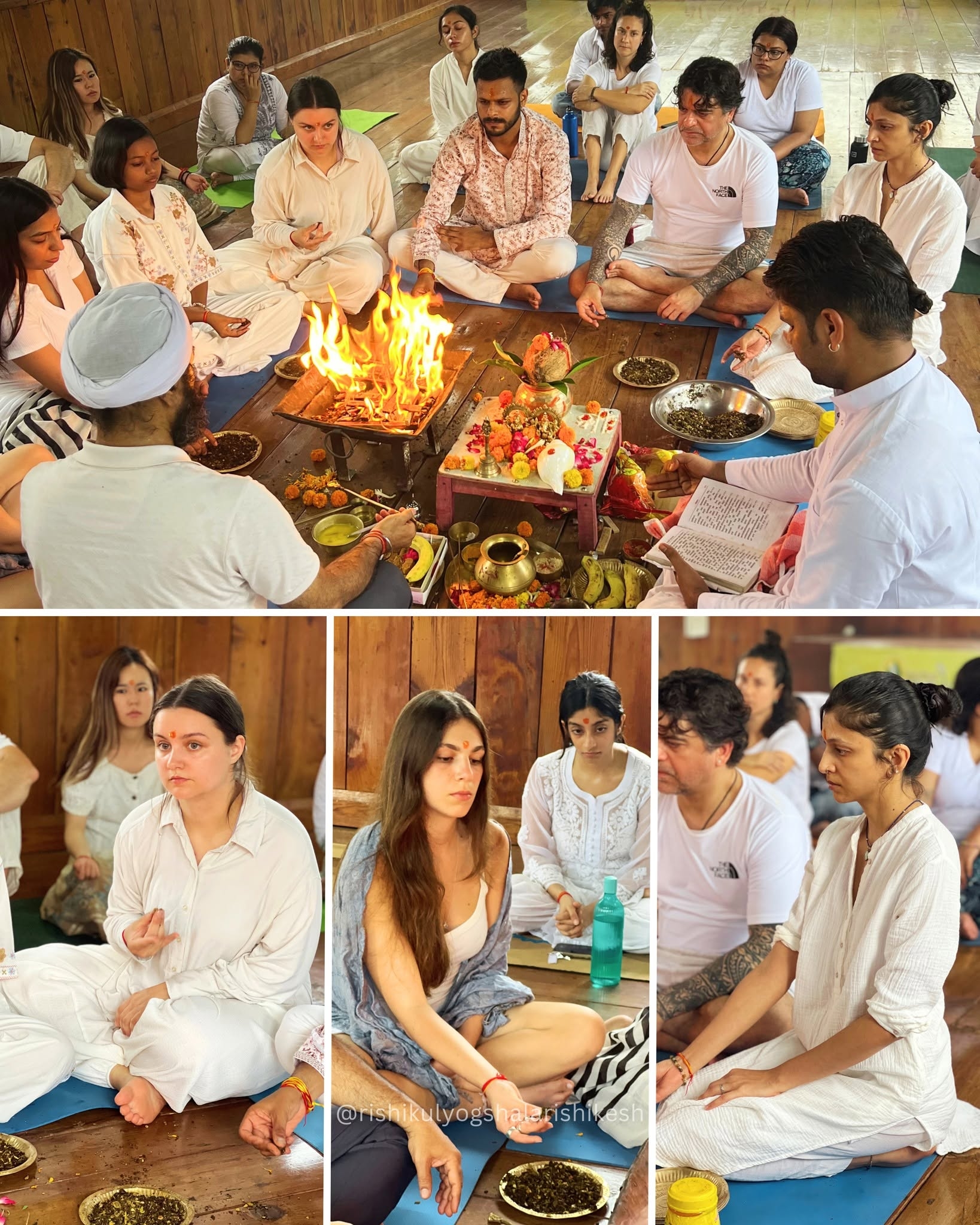
At Rishikul Yogshala Rishikesh, a Yoga Alliance USA-registered school, the curriculum includes the following subjects.
Hatha Yoga and Ashtanga Vinyasa: the physical foundation of the course, practised regularly
Pranayama: breathing techniques that support both practice and focus
Meditation: time set aside for stillness and attention
Yoga Philosophy: the ideas and traditions behind the postures
Anatomy: how the body moves and how to practise safely
Teaching Methodology: how to plan, sequence and lead a class
Together, these subjects mean you finish with a rounded understanding of yoga, not only a stronger body or a longer list of poses.
Do I Need Experience?
No. The 200-hour programme is designed for complete beginners as well as seasoned practitioners. You do not need to be flexible, and you do not need to plan on teaching professionally. People join for different reasons: to deepen their own practice, to take a structured break from screens or to explore whether yoga could become part of their working life. What matters most is curiosity and a willingness to follow the daily routine.
What Is Daily Life Like?
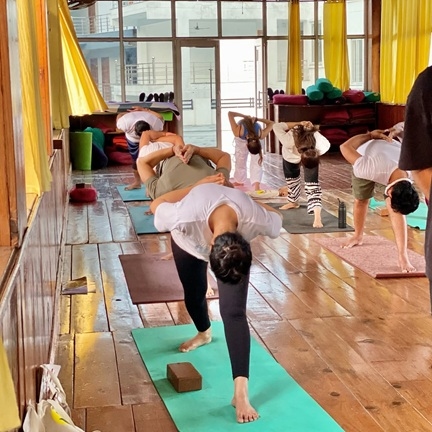
The programme is residential, so students live and study on site and follow a set daily schedule that combines practice with classroom learning. Expect early starts, regular practice sessions, study periods and meditation, with the day built around one purpose. This structure removes the need to plan each hour, which can feel freeing. Because timetables can change between batches, ask the school for the current daily schedule so you know exactly what to expect before you arrive.
When Can I Start?
The 200-hour course currently starts every month, which gives you flexibility when planning flights and time off. The school also offers 100-, 300- and 500-hour programmes, so you can treat the 200-hour course as a first step and decide later whether to go further. Confirm the dates of the next batch directly with the school, as availability can change.
Is the School Recognised?
Rishikul Yogshala Rishikesh is registered with Yoga Alliance USA. Whichever school you consider, it is sensible to check its registration, read the curriculum carefully and ask how the daily programme is structured. A good school will answer these questions openly. Look for a balance between physical practice, philosophy, anatomy and teaching, rather than a course focused only on postures.
What About Cost, Visas and Travel?
These details vary from traveller to traveller and can change over time, so confirm current information directly with the school and with official sources before you commit. Ask what the course fee includes, what accommodation is provided and what you need to arrange yourself. Check entry requirements for your nationality well in advance, and build in time for travel so you arrive rested rather than rushed.
How Should I Prepare?
You do not need elaborate preparation, but a few habits help. Try a short daily practice for a couple of weeks beforehand so the routine feels familiar. Reduce screen time gradually if you can, since a residential course is a good chance to step back from devices. Pack comfortable clothing for practice, and arrive with an open mind rather than fixed expectations. Most importantly, give yourself permission to be a beginner, because everyone in the room starts somewhere.
Who Will Benefit Most?
While the course welcomes everyone, some travellers may find it especially worthwhile.
The burnt-out professional: someone who wants a structured break from screens and notifications
The long-time practitioner: a person ready to deepen what they already do
The career explorer: someone curious about a path in yoga and wellness
The first-timer: a beginner who wants to learn properly from the ground up
What Will I Take Home?
A conventional holiday tends to fade once the suitcase is unpacked. A learning-based trip carries on, because the practice, the knowledge and the routines come back with you. Students return with a method they can follow alone, a clearer understanding of how the body and breath work, and, for those who wish to teach, a foundation in how to structure a class. Some also leave with friendships formed through weeks of shared study and practice.
Quick Checklist Before You Book
Confirm the school’s registration with a recognised body such as Yoga Alliance.
Review the full curriculum for balance across practice, philosophy, anatomy and teaching.
Ask for a sample daily schedule and the residential arrangements.
Check that the course welcomes your level of experience.
Confirm the next start date, fees, inclusions and entry requirements.
The Bottom Line
If you want a trip that teaches you something, a 200 hour yoga teacher training in Rishikesh offers structure, community and a skill you can keep using long after you return. It is not a shortcut or a quick fix. It is several weeks of steady effort in a place where yoga is central, supported by a curriculum that covers practice, philosophy, anatomy and teaching. For travellers who measure a good trip by what it leaves behind, that combination is hard to beat. The real value is what you still use months later. Ask your questions, choose carefully and give yourself the chance to come home with more than photographs.