
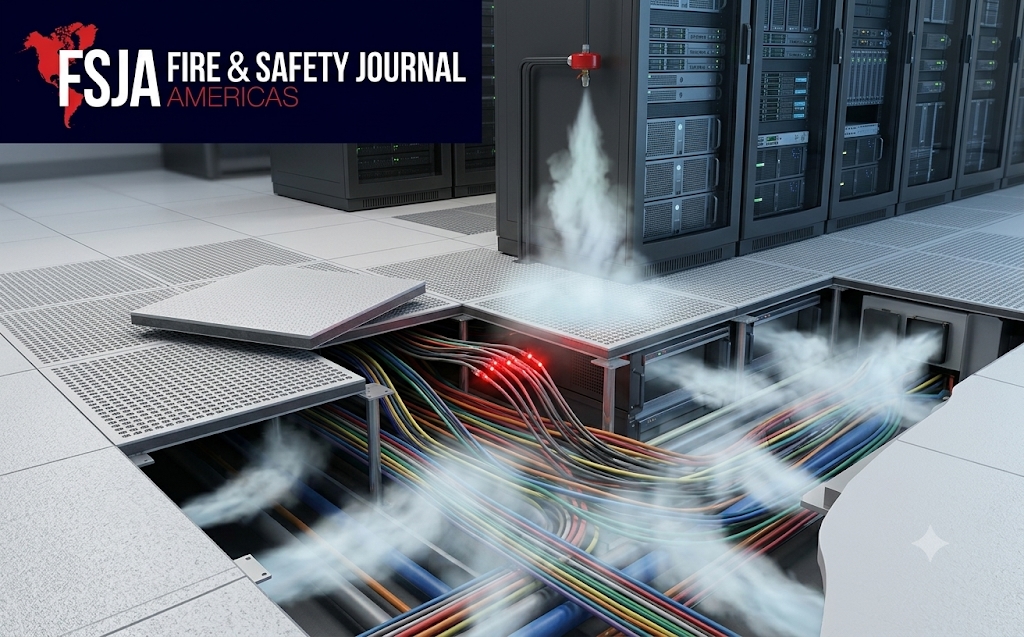
Fire protection systems are expected to operate when facilities face dangerous conditions. However, successful fire protection depends on more than the equipment installed inside a building. Design decisions, installation quality, maintenance activities, inspection records and management responsibilities all influence system reliability.
When a suppression system fails to operate as intended, questions about accountability quickly become important. Was the system designed correctly? Were inspections completed? Had building conditions changed? Were faults reported and resolved? A waterless fire suppression system involves several technical and operational responsibilities. Understanding how these responsibilities are distributed can help building owners and facility managers reduce compliance gaps and strengthen fire safety management.
Why Accountability Matters in Fire Protection
Fire protection is a continuous responsibility rather than a one-time installation activity.
A system may initially satisfy its design requirements but become less reliable if equipment deteriorates, maintenance is neglected or the protected environment changes.
Accountability ensures that someone is responsible for identifying these issues and taking appropriate corrective action.
Without clear responsibilities, important activities may be overlooked. For example, a maintenance team may assume that a contractor is monitoring system faults, while the contractor may expect the building manager to report them.
Such communication gaps can create avoidable safety risks.
The Responsibilities of Building Owners
Building owners and responsible persons generally have an important role in ensuring that suitable fire protection arrangements are provided and maintained.
Their responsibilities may include:
Understanding the building's fire risks.
Ensuring appropriate protection measures are installed.
Providing access for inspections and maintenance.
Allocating resources for necessary repairs.
Maintaining relevant fire safety documentation.
Ensuring occupants receive appropriate safety information.
Owners should also understand the limitations of the installed protection equipment.
A waterless fire suppression system designed for a particular enclosure may not remain suitable if the room layout, ventilation or protected equipment changes significantly.
Any proposed modifications should therefore receive appropriate technical review.
What Is the Role of Fire Safety Engineers?
Fire safety engineers help evaluate hazards and determine appropriate protection strategies.
Their work may involve assessing fire loads, identifying potential ignition sources, reviewing building layouts and determining the required suppression approach.
For gaseous suppression applications, engineering considerations may include enclosure volume, agent concentration, discharge requirements and pressure management.
Design documentation should clearly explain the assumptions used to develop the system.
These records become particularly important when facilities undergo refurbishment or operational changes.
If the original design assumptions are no longer valid, the protection arrangement may require reassessment.
Installer Responsibilities and Installation Quality
Even a well-designed fire protection arrangement can underperform if installation work is incorrect.
Installers must follow approved designs, manufacturer instructions and applicable installation standards.
Their responsibilities may involve positioning discharge outlets, connecting detection equipment, configuring control panels and verifying that the installed components operate correctly.
Installation quality should be supported by suitable commissioning records.
These records help demonstrate that the equipment has been checked against the intended design requirements.
Where deficiencies are identified, they should be documented and resolved before the system is accepted for normal operation.
Why Maintenance Contractors Play an Important Role
Maintenance contractors help keep suppression equipment in an operational condition throughout its service life.
Their work may include inspecting cylinders, checking pressure indicators, examining pipework, testing detection interfaces and verifying release controls.
They should also report defects, document completed work and identify issues requiring further investigation.
Maintenance activities should follow the applicable inspection schedule and manufacturer recommendations.
A waterless fire suppression system should never be considered permanently reliable simply because it passed its initial commissioning tests.
Equipment can deteriorate, connections can become damaged and building conditions can change.
Regular inspection helps identify these developments before they compromise protection.
Documentation: The Evidence Behind Compliance
Documentation is a critical part of fire safety accountability.
Without accurate records, it can become difficult to establish whether inspections were completed, faults were reported or corrective actions were taken.
Important documents may include:
Original system design specifications.
Installation and commissioning certificates.
Inspection and maintenance reports.
Equipment servicing records.
Fault notifications and corrective action reports.
Training and evacuation records.
Records of building modifications.
System impairment and restoration documentation.
These documents should be accessible to authorised personnel and updated whenever relevant changes occur.
A clear recordkeeping process also supports communication between building management, engineers and maintenance contractors.
What Happens When a System Fails?
A suppression system may fail to operate for several reasons.
These can include inadequate maintenance, damaged components, incorrect installation, unsuitable design assumptions or changes to the protected enclosure.
The immediate priority following an incident should be protecting occupants and following the facility's emergency procedures.
After the incident, a structured investigation may be necessary.
Investigators may review alarm logs, inspection records, equipment condition, control panel information and maintenance history.
The objective should be to identify the underlying causes rather than simply assign blame.
Where deficiencies are confirmed, corrective measures should be implemented and verified.
Managing Changes to Protected Environments
One frequently overlooked accountability issue involves building modifications.
Facilities regularly introduce new equipment, change room layouts, modify ventilation systems and install additional electrical infrastructure.
These changes may affect the original fire protection design.
For example, an opening created for new cabling could influence enclosure integrity. Additional equipment could obstruct discharge outlets or change the protected fire load.
Before modifications are completed, responsible personnel should determine whether the changes affect detection, suppression or occupant safety.
A waterless fire suppression system should be reassessed whenever changes could influence its intended operating conditions.
Creating a Culture of Shared Responsibility
Effective fire protection requires cooperation between all relevant stakeholders.
Building owners must provide appropriate resources, engineers must develop suitable designs, installers must follow technical requirements and maintenance teams must report deficiencies accurately.
Facility managers should establish clear communication channels and ensure that responsibilities are documented.
Regular reviews can also help identify gaps in maintenance schedules, training arrangements and compliance procedures.
For professionals reading Fire & Safety Journal Americas, accountability is an important part of the wider conversation about dependable fire protection.
A waterless fire suppression system should be managed as an ongoing safety responsibility, supported by clear ownership, competent technical work and reliable documentation.
Ultimately, preventing suppression failure requires every responsible party to understand their role and take appropriate action throughout the system's operational life.
Frequently Asked Questions
1. Who is responsible for maintaining a fire suppression system?
Responsibility generally involves the building's responsible person or owner, supported by competent maintenance personnel and other relevant specialists. Exact legal duties depend on the applicable jurisdiction.
2. Why are commissioning records important?
They provide evidence that the installed system was tested against its design requirements and help establish a reference point for future inspections.
3. Can building modifications affect suppression performance?
Yes. Changes to room dimensions, ventilation, equipment placement and enclosure openings can influence system performance and may require reassessment.
4. What should happen after suppression system failure?
Occupant safety must come first. The system should then be investigated by competent personnel, defects documented and corrective actions completed before normal operation is restored.
5. How can facilities improve fire safety accountability?
They can establish clearly assigned responsibilities, maintain accurate inspection records, schedule regular reviews and ensure that relevant personnel receive appropriate training.



