
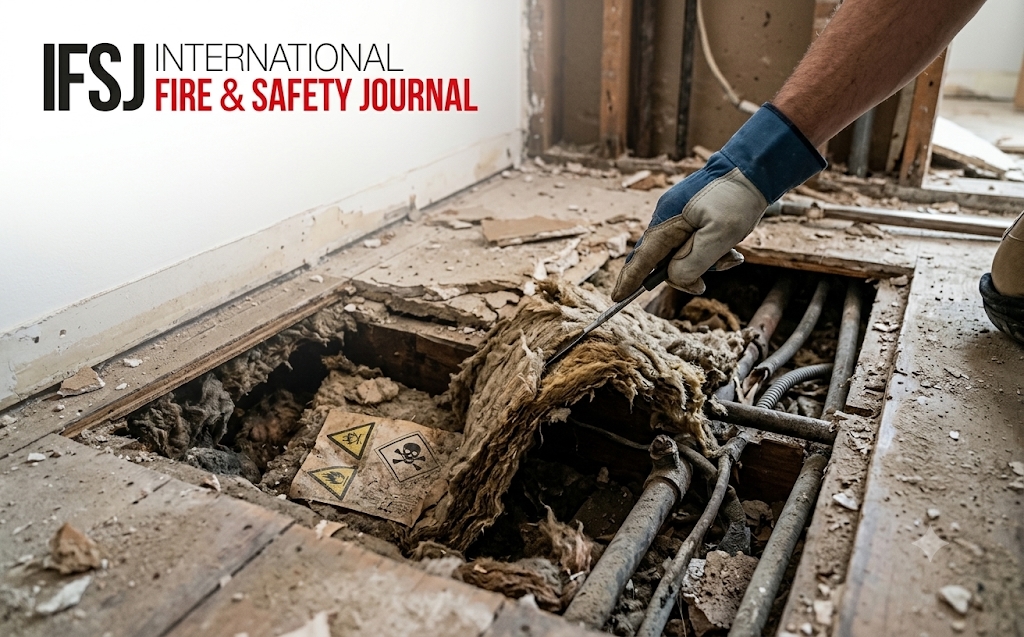
Construction and renovation activities can uncover hidden hazards that are not immediately visible during initial site inspections. Older buildings, underground spaces and previously occupied properties may contain asbestos, lead-based paint, contaminated soil or leftover chemical substances. These materials can pose significant health and environmental risks when disturbed during demolition, excavation or refurbishment.
Recognising the potential dangers is essential for maintaining workplace safety, particularly when workers need to understand how to handle hazardous materials on a construction site without causing accidental exposure. Without proper identification and safety precautions, employees may come into contact with toxic dust, chemical fumes or contaminated particles.
To minimise these risks, construction teams should arrange professional assessments, follow appropriate handling procedures and establish controlled removal practices. Clear communication, worker awareness and proper disposal methods also help maintain a safer environment throughout the project.
Understand the Risks of Hidden Hazardous Materials
Older buildings and previously developed land may contain hazardous substances that are not immediately visible.
Common examples include:
Asbestos in insulation and building components.
Lead-based paint on older surfaces.
Contaminated soil from previous industrial activities.
Chemical residues in storage areas.
Hazardous dust from demolition activities.
Underground fuel or chemical storage remnants.
These substances may become dangerous when disturbed, cut, broken, drilled or excavated.
Construction teams should therefore consider the possibility of hidden contamination before beginning activities that disturb existing structures or soil.
Investigate Buildings Before Demolition
Demolition and refurbishment work can release hazardous particles into the surrounding environment.
For example, disturbing asbestos-containing materials can release microscopic fibres that may become airborne. Similarly, sanding or removing lead-based paint can generate harmful dust.
Before demolition begins, a suitable hazardous material survey should be undertaken where required.
The assessment should identify potentially dangerous materials, determine their condition and establish whether specialist testing or removal is necessary.
Understanding how to handle hazardous materials on a construction site includes recognising when ordinary construction activities must be suspended until a suspected hazard has been assessed.
Manage Contaminated Soil During Excavation
Excavation can uncover soil affected by previous industrial, commercial or waste-related activities.
Contamination may involve petroleum products, heavy metals, solvents or other chemical residues.
Workers should be aware of unusual soil discolouration, chemical odours, buried containers and unexpected underground materials.
If suspicious contamination is discovered, excavation should stop in the affected area until appropriate assessment takes place.
Soil testing can help establish the nature and extent of contamination. Depending on the results, suitable controls may include restricted access, protective equipment, controlled excavation and specialist disposal.
Control Dust and Airborne Exposure
Demolition, cutting, drilling and excavation can generate dust containing hazardous particles.
Dust control measures should be selected according to the material and work activity.
Common approaches include:
Suitable local exhaust ventilation.
Wet suppression where appropriate.
Enclosed work areas.
Restricted access to contaminated zones.
Suitable respiratory protection.
Proper cleaning procedures.
Dry sweeping or compressed air should not be used where they could spread hazardous dust.
Workers should also understand that ordinary dust masks may not provide sufficient protection against certain hazardous substances.
Arrange Specialist Assessment and Removal
Not every hazardous material should be handled by general construction personnel.
Certain substances require trained professionals, specialised equipment and legally compliant removal procedures.
For example, asbestos removal may require licensed or otherwise specifically authorised contractors depending on the material, location and applicable regulations.
Similarly, contaminated soil may need specialist treatment, transportation and disposal.
A responsible approach to how to handle hazardous materials on a construction site involves recognising the limits of workers' training and arranging qualified assistance when necessary.
Maintain Documentation and Material Records
Accurate records help construction teams understand which hazardous substances have been identified and what action has been taken.
Important documentation may include:
Hazardous material survey reports.
Laboratory testing results.
Safety Data Sheets.
Risk assessments.
Removal and disposal records.
Worker training documentation.
Incident reports.
These records should be updated whenever new information becomes available.
Clear documentation also helps prevent previously identified hazards from being disturbed during later project stages.
Protect Workers and Nearby Communities
Hazardous materials can affect more than the employees directly involved in construction activities.
Airborne dust, contaminated water and improperly transported waste may create risks for nearby residents, pedestrians and other workers.
Construction teams should establish suitable barriers, warning signs, controlled access points and environmental monitoring arrangements where necessary.
Good communication is equally important. Workers should know where hazardous areas are located and understand the precautions required before entering them.
Conclusion
Unexpected hazardous materials can transform an ordinary construction activity into a serious safety challenge. Early investigation, controlled demolition, soil assessment and specialist removal help reduce exposure risks and protect project operations.
Understanding how to handle hazardous materials on a construction site requires construction teams to look beyond visible dangers and prepare for substances that may remain concealed within buildings or underground.
As highlighted in industry discussions covered by the International Fire & Safety Journal, recognising hidden hazards is an important part of responsible construction safety management.
Frequently Asked Questions
1. What hidden hazardous materials can be found during renovation?
Common examples include asbestos, lead-based paint, chemical residues, contaminated insulation and hazardous construction dust.
2. What should workers do if they discover asbestos?
They should stop work in the affected area, avoid disturbing the material, restrict access where safe and arrange an appropriate specialist assessment.
3. How can contaminated soil be identified?
Initial visual observations may reveal warning signs, but laboratory testing is generally necessary to identify specific contaminants and assess their concentration.
4. Why is dust control important during demolition?
Dust may contain harmful particles that can be inhaled or spread into surrounding work areas, increasing exposure risks.
5. Who should remove hazardous materials from construction sites?
Removal should be carried out by appropriately trained and qualified personnel in accordance with the substance-specific requirements and applicable regulations.



