
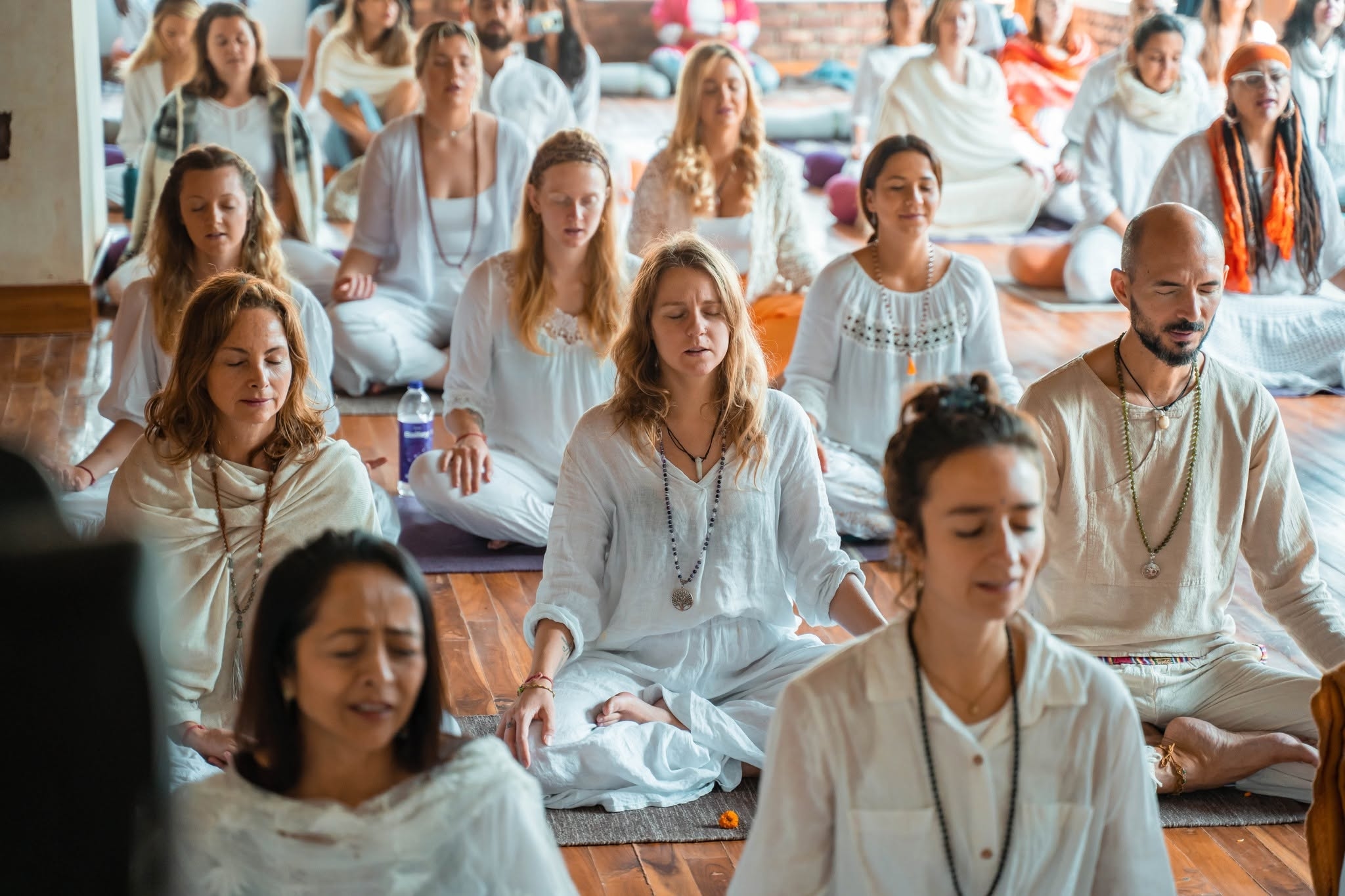
Have you ever wondered why a simple sound such as Om holds such an important place in traditional yoga? Why do yoga practitioners repeat certain sounds during meditation, and how can chanting help bring attention back to the present moment? Mantra chanting is much more than repeating words. It is a traditional yogic practice that brings together sound, breathing, rhythm, and concentration. In this article, we explore the meaning and history of mantras, their connection with yoga philosophy, commonly practised mantras, and the possible benefits of chanting. You will also learn how to practise mantra chanting as a beginner and understand how it fits into a complete yoga routine.
Introduction
Sound is an essential part of everyday life. We use it to communicate, express emotions, share knowledge, and connect with others. In traditional Indian philosophy, sound also has a significant place in spiritual learning and meditation.
Mantra chanting is one of the practices through which sound becomes a part of yoga. It involves repeating a particular syllable, word, or phrase with attention and awareness. Some mantras are chanted aloud, while others are whispered or repeated silently.
Unlike ordinary conversation, chanting encourages the practitioner to focus on pronunciation, rhythm, breathing, and the meaning of the words. This repeated attention can make it easier to settle the mind and develop a regular meditation practice.
What Is Mantra Chanting In Yoga?
The Sanskrit word mantra is traditionally associated with the mind and the idea of protection or an instrument. In yogic traditions, a mantra is understood as a tool for directing attention and supporting contemplation.
A mantra may consist of a single syllable, such as Om, or a longer Sanskrit verse. Its repetition creates a familiar point of focus. Whenever the mind becomes distracted, the practitioner can gently return attention to the mantra.
Students exploring a 200 hour yoga teacher training in rishikesh may encounter mantra chanting alongside asana, pranayama, meditation, and yoga philosophy. This helps them understand that yoga involves more than physical exercise. It also includes practices that develop concentration, self-awareness, and a deeper understanding of the mind.
The Traditional Importance Of Sound In Yoga
Sound has been an important part of Indian spiritual traditions for centuries. Before written texts became widely accessible, knowledge was often transmitted through listening, memorisation, and repetition.
The syllable Om, also written as Aum, is among the most recognised sounds in yoga. It appears in several Indian philosophical and spiritual traditions and is used in meditation and contemplative practices.
In traditional interpretations, Om is associated with the different aspects of existence and consciousness. Its three audible elements are commonly described as A, U, and M, followed by a moment of silence. Different philosophical schools explain these elements in different ways.
Another important concept is Nada, a Sanskrit term associated with sound. Nada Yoga explores the use of sound as a means of developing attention and inner awareness.
These traditional ideas provide the philosophical background of mantra chanting. They should not be confused with claims that a particular sound can automatically cure physical or mental health conditions.
How Does Mantra Chanting Work?
Mantra chanting combines repetition, listening, breathing, and attention. These elements make it a practical method for developing concentration.
1. Repetition Gives The Mind A Point Of Focus
The mind naturally moves between different thoughts, memories, and future plans. Repeating a mantra provides a specific activity to return to whenever attention wanders.
The objective is not to prevent every thought from appearing. Instead, practitioners learn to notice distractions and gently return to the chosen sound.
2. Listening Develops Awareness
During audible chanting, practitioners listen to their own voices. They become more aware of pronunciation, rhythm, and the beginning and ending of each sound.
This encourages active participation rather than mechanical repetition.
3. Breathing Becomes More Conscious
Chanting naturally involves the breath. A comfortable inhalation prepares the body to produce a sound, while the exhalation supports the spoken syllables.
The breath should never be forced. Beginners should chant at a comfortable pace instead of trying to produce unusually long sounds.
4. Rhythm Encourages Consistency
Many traditional mantras follow established rhythms. Repeating a familiar sequence can help practitioners maintain attention and create a regular meditation routine.
Common Types Of Mantras Used In Yoga
Different mantras are used for different purposes in Indian traditions. Beginners can start by learning a familiar mantra and understanding its meaning.
1. Om Or Aum
Om is a widely recognised mantra used at the beginning or end of some yoga sessions. It is also used independently as a meditation practice.
Practitioners may chant it aloud, whisper it, or repeat it mentally. The silence after the sound can also become an opportunity for quiet observation.
2. Gayatri Mantra
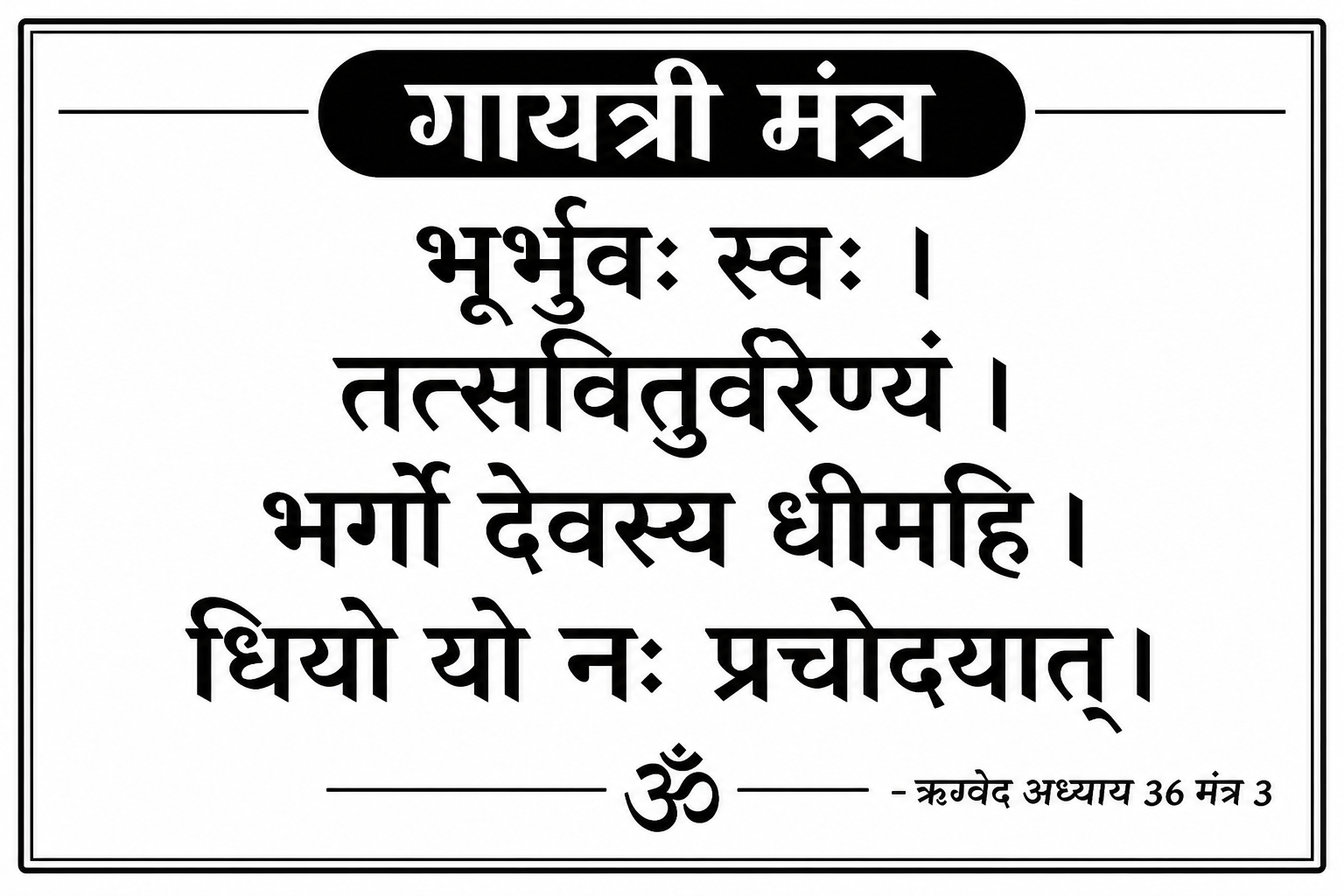
The Gayatri Mantra is a traditional Sanskrit verse found in the Rig Veda. It is associated with illumination, wisdom, and reflection.
Learning its pronunciation and traditional meaning helps practitioners understand why it holds an important place in Vedic practice.
3. So Hum
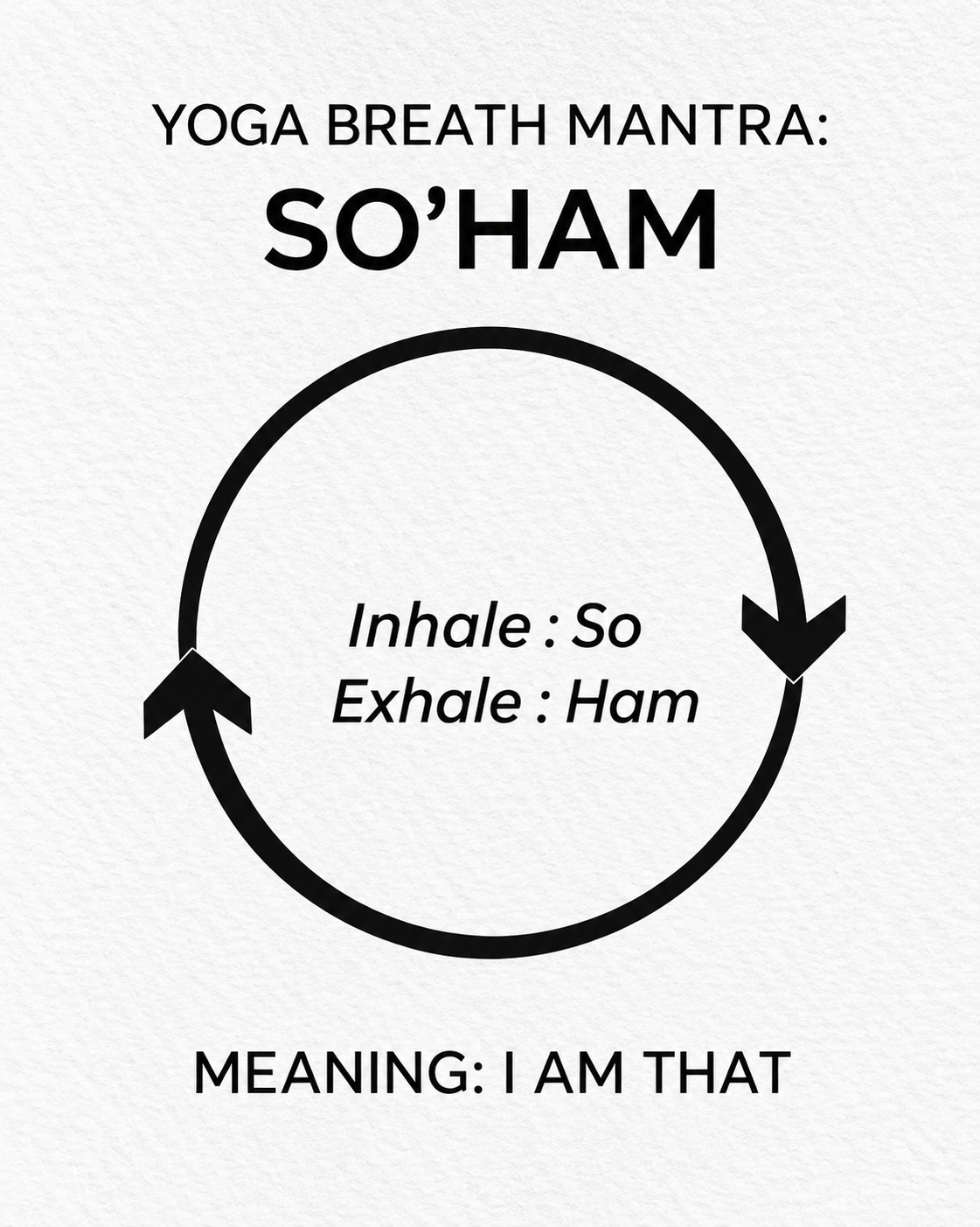
So Hum is used in certain meditation traditions and is often coordinated with natural breathing. Practitioners may mentally repeat one part while inhaling and the other while exhaling.
This approach provides a simple way to connect attention with breathing.
4. Shanti Mantra
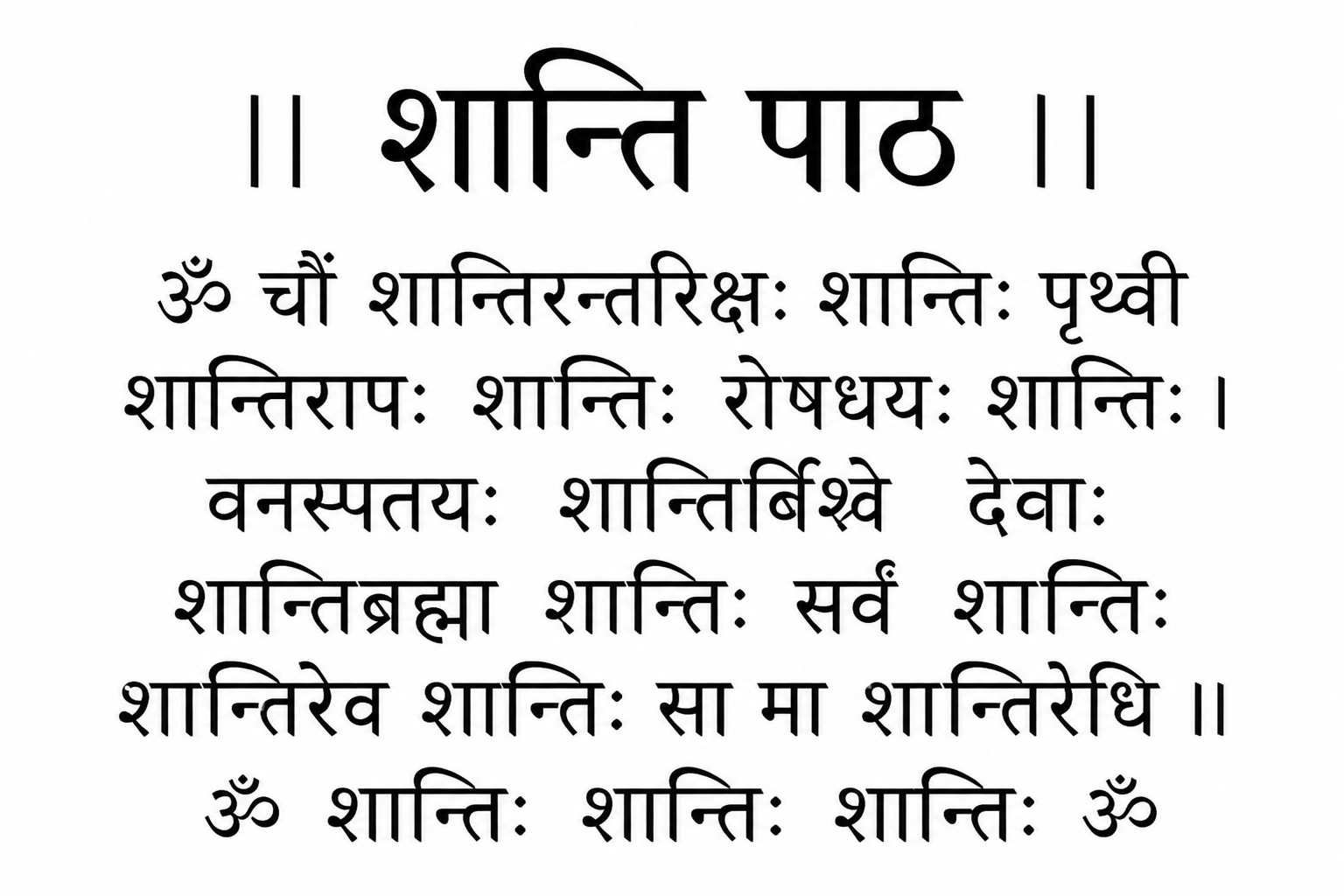
Shanti means peace. Different Shanti Mantras are traditionally recited to express wishes for peace, harmony, and well-being.
They are commonly encountered in traditional learning environments and spiritual gatherings.
Benefits Of Mantra Chanting
Mantra chanting may offer several practical benefits when practised regularly and comfortably.
Improved Concentration: Repeating a mantra gives attention a clear direction. Practitioners gradually become more familiar with recognising distractions and returning to the present activity.
Greater Breathing Awareness: Chanting encourages awareness of the relationship between breathing and sound. This can complement other breathing practices.
A Relaxing Daily Routine: Spending a few quiet minutes chanting can create a peaceful transition between work, responsibilities, and personal time.
Emotional Reflection: Meaningful words and traditional verses can provide an opportunity to reflect on personal values, patience, and awareness.
Support For Meditation: Some beginners find chanting easier than silent meditation because the repeated sound provides an active point of attention.
These experiences are individual and may differ from person to person. Mantra chanting is a contemplative practice, not a guaranteed medical treatment.
How To Practise Mantra Chanting As A Beginner
You do not need advanced yoga experience to begin chanting. Follow these simple steps:
Choose A Quiet Space: Select a comfortable place where you can sit without unnecessary interruptions.
Find A Comfortable Position: Sit cross-legged on a cushion or use a chair. Keep your spine naturally upright.
Observe Your Breathing: Take a few comfortable breaths without trying to change their natural rhythm.
Select A Mantra: Begin with a familiar mantra such as Om.
Start Slowly: Repeat the mantra at a comfortable volume and pace.
Listen Carefully: Pay attention to the sound and its pronunciation.
Finish With Silence: After chanting, remain seated quietly for a minute or two.
Five minutes is a suitable starting point. Gradually increase the duration if you remain comfortable.
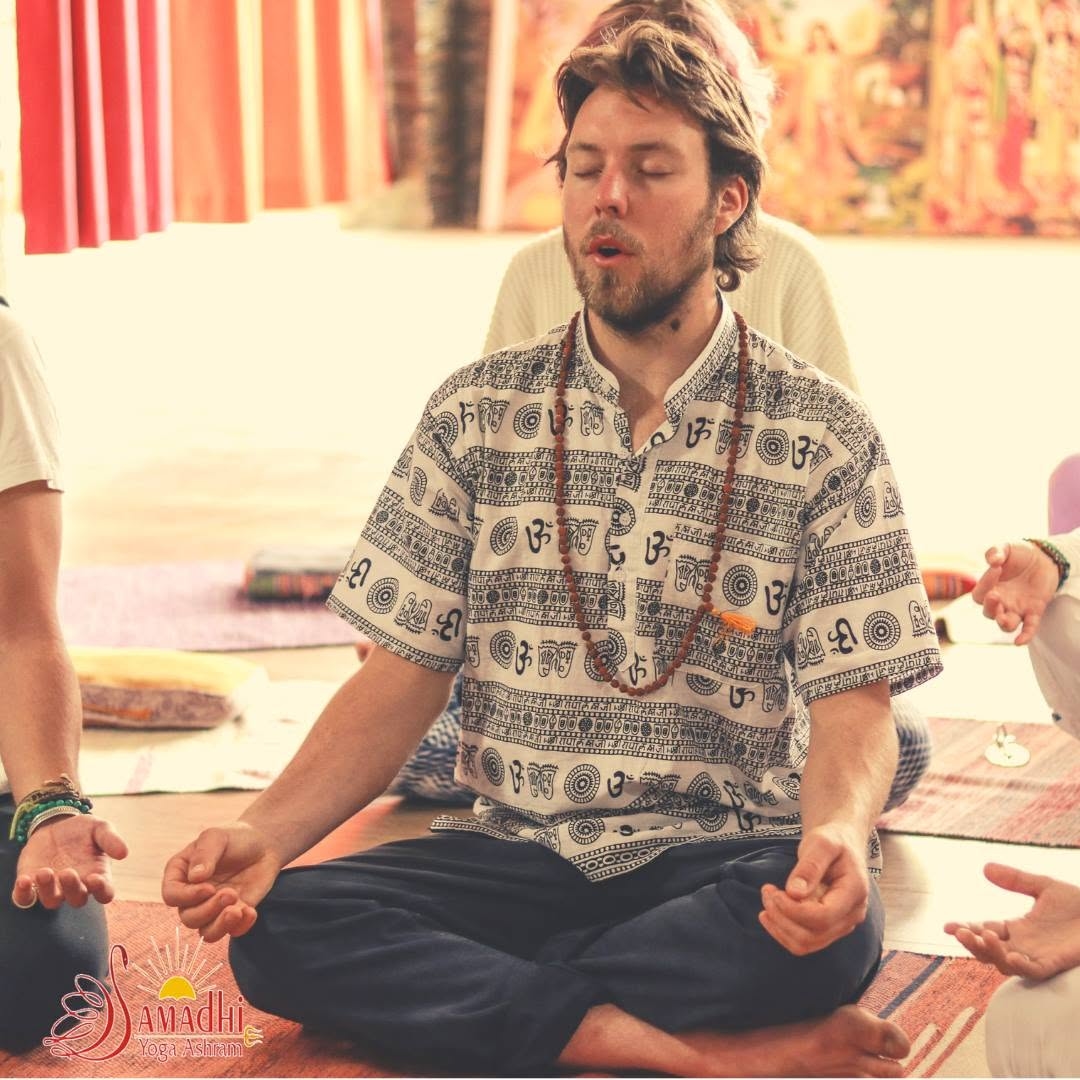
The Role Of Mantra Chanting In Yoga Education
Mantra chanting can help yoga students understand the wider dimensions of traditional practice. A yoga teacher needs more than knowledge of physical postures. Understanding breathing, concentration, meditation, and yoga philosophy is also important.
A structured yoga teacher training course may introduce students to chanting as part of traditional yoga education. A yoga certificate course may include related subjects such as meditation and yoga philosophy, depending on its curriculum.
Students considering a yoga instructor course should understand the purpose of the practices they may eventually introduce to their students. A certified yoga instructor course should also provide a balanced understanding of teaching methods and traditional concepts.
At Samadhi Yoga Ashram, traditional yogic subjects can be studied alongside physical practice, breathing techniques, and meditation.
For students interested in a 200 hour yoga teacher training in rishikesh, mantra chanting can provide an introduction to the relationship between traditional knowledge and personal practice.
Common Mistakes To Avoid
Although mantra chanting is simple, beginners sometimes make mistakes that affect their experience.
Chanting too loudly instead of choosing a comfortable volume.
Rushing through words without paying attention to pronunciation.
Forcing the breath to produce a longer sound.
Expecting immediate changes in concentration or emotional state.
Repeating unfamiliar Sanskrit words without learning their meaning.
Treating chanting as a competition rather than a personal practice.
The quality of attention is more important than the number of repetitions.
Mantra Chanting And The Journey Of Becoming A Yoga Teacher
People interested in yoga instructor certification should learn how traditional practices fit into a complete yoga session. Yoga teacher certification may include subjects such as meditation, philosophy, anatomy, and teaching methodology.
A comprehensive yoga teacher program can introduce the relationship between sound, breathing, and concentration. Similarly, yoga trainer certification should encourage students to understand the practices they teach instead of relying only on memorised instructions.
Those researching how to become a yoga instructor should compare different yoga teacher training programs and review their curriculum carefully. A yoga teacher course should provide opportunities to develop personal practice and teaching confidence.
When searching for yoga teacher training near me, consider whether the course includes traditional yoga philosophy and meditation alongside physical practice.
Frequently Asked Questions
1. What Is The Main Purpose Of Mantra Chanting?
Mantra chanting uses repeated sounds or phrases as a point of focus. It is traditionally practised to support concentration, contemplation, and meditation.
2. Can Beginners Practise Mantra Chanting?
Yes. Beginners can start with a simple mantra such as Om and practise for a few minutes each day.
3. Is Mantra Chanting The Same As Meditation?
No. Mantra chanting is one method that can be used during meditation. Other methods include observing the breath and practising silent awareness.
4. How Many Times Should A Mantra Be Repeated?
There is no single repetition requirement for every mantra. Some traditional practices follow a fixed number, while beginners can start with a comfortable duration.
5. Should Mantras Always Be Chanted Aloud?
No. Mantras can be repeated aloud, whispered, or mentally, depending on the practice and tradition.
6. Do I Need To Know Sanskrit?
No, but understanding the meaning and learning the correct pronunciation of a mantra can make the practice more meaningful.
Conclusion
Mantra chanting is a traditional yogic practice that brings together sound, repetition, breathing, and concentration. It provides a simple way to explore meditation while learning about the philosophical side of yoga.
With a comfortable posture, suitable guidance, and regular practice, chanting can become a meaningful part of a balanced yoga routine. Its importance lies not only in the sound itself but also in the attention and awareness developed through repetition.