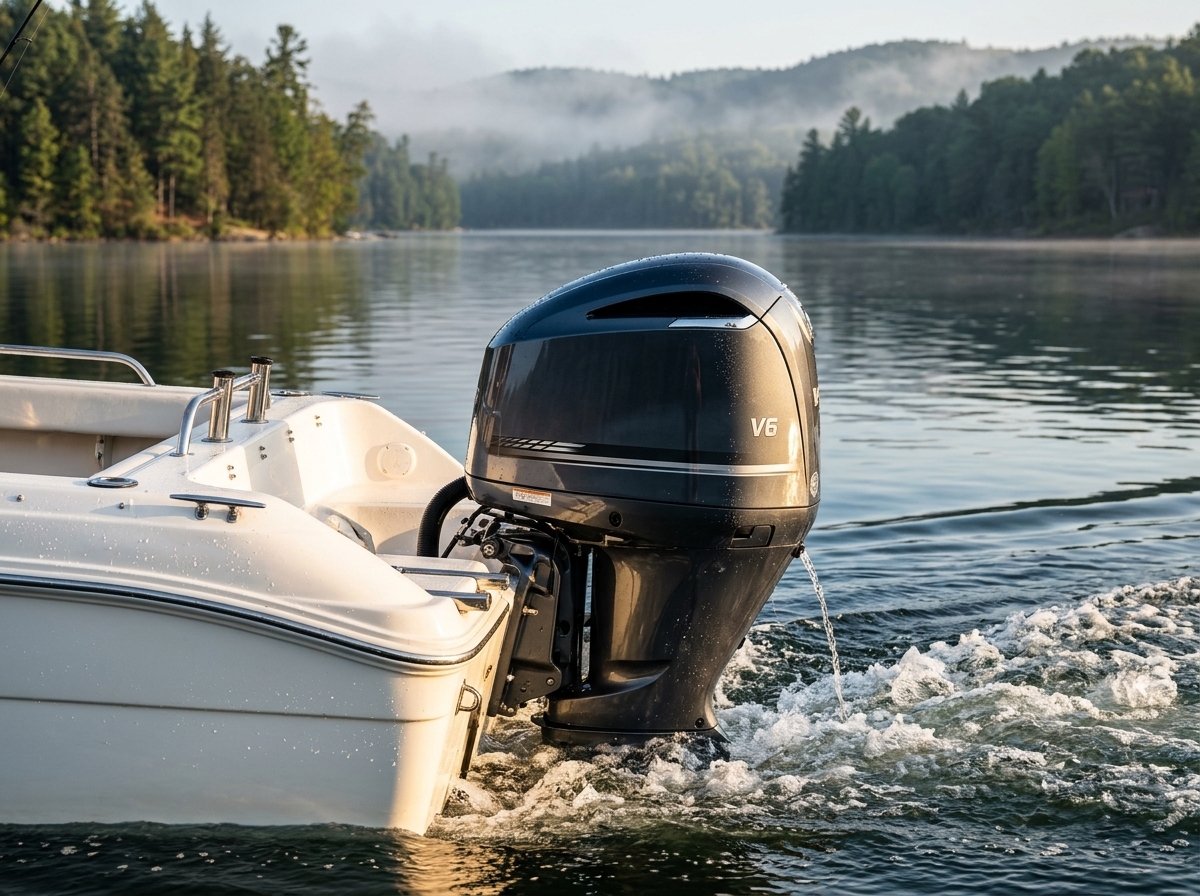
An outboard motor is one of the most valuable components of a boat, making it an attractive target for thieves. Because many outboard engines can be removed from their mounting points, boats stored in open marinas, driveways, or unattended waterfront locations may face security risks.
Replacing a stolen motor can be expensive and disruptive. It may also involve insurance claims, replacement delays, and additional installation costs. Fortunately, boat owners can reduce these risks through practical security measures, suitable locking devices, and regular inspections.
Whether you own a small fishing boat or a larger recreational vessel, protecting your outboard motor should be part of your overall boating security plan.
Why Outboard Motors Are Vulnerable to Theft
Outboard motors are particularly vulnerable because they are often mounted externally on the boat's transom. Unlike permanently installed inboard engines, many outboards can be detached using relatively basic tools if appropriate security measures are missing.
Several factors can increase the risk of theft:
Boats stored in isolated or poorly monitored locations.
Motors left unattended for extended periods.
Inadequate transom mounting security.
Poor lighting around storage areas.
Lack of visible security devices.
Engines that are easy to access from the water or surrounding property.
Smaller portable outboards may be particularly easy to carry away, while larger engines may require more effort but can still attract organised theft.
Understanding these risks helps owners identify where additional protection is needed.
Install a Suitable Outboard Motor Lock
One of the most practical ways to discourage theft is to install a dedicated outboard motor security lock.
These devices are designed to make unauthorised removal more difficult by securing the engine's mounting arrangement.
Transom Locks
Transom locks are designed to restrict access to the mounting hardware used to attach the motor to the boat. Depending on the model, they may cover or secure the mounting clamps.
They are particularly useful for smaller outboards that rely on manual mounting screws.
Locking Bolts and Fasteners
Some engines are installed using mounting bolts rather than removable clamp screws. Specialised locking fasteners can make unauthorised removal more difficult.
When choosing a locking system, confirm that it is compatible with the engine and mounting arrangement.
Security Chains and Cables
A heavy-duty security cable or chain can provide an additional layer of protection. It can be used to connect the engine to a suitable fixed attachment point.
However, a cable should not be treated as a complete replacement for a dedicated motor lock. Its effectiveness depends on the quality of the chain, locking mechanism, and attachment point.
Secure Your Boat When It Is Not in Use
Protecting the outboard motor also requires attention to the boat's storage location.
A well-secured engine can still be vulnerable if the boat itself is left in an easily accessible area.
Choose a Secure Storage Location
Whenever possible, store your boat in a monitored marina, secure boatyard, locked garage, or fenced storage facility.
Look for locations with controlled access and visible security arrangements. Avoid leaving a boat unattended in isolated areas for long periods.
Use a Boat Cover
A suitable boat cover can help conceal the engine and reduce its visibility to opportunistic thieves.
Although a cover is not a dedicated security device, it can make it less obvious what equipment is installed on the boat.
For outdoor storage, choose a properly fitted cover designed for the conditions in which the vessel will be kept.
Improve Lighting and Visibility
If you store your boat at home or on private property, consider installing motion-activated lighting around the storage area.
Good lighting can make suspicious activity more noticeable and discourage unauthorised access.
Where permitted, security cameras can provide additional monitoring and useful footage if an incident occurs.
Record Your Outboard Motor's Identification Details
Keeping accurate engine records can make recovery and insurance procedures easier if your motor is stolen.
Before an incident occurs, record the following information:
Manufacturer and model.
Engine serial number.
Horsepower rating.
Purchase date and supporting documents.
Clear photographs of the motor.
Distinctive marks or identifying features.
Store these details somewhere secure rather than relying only on information kept aboard the boat.
The serial number is particularly important because it can help authorities and insurers identify the specific engine.
Some owners also use permanent identification methods or security marking services. Before marking an engine, confirm that the method is appropriate and will not damage its surface or affect manufacturer identification labels.
Consider GPS Tracking and Electronic Security
Technology can provide another layer of protection, particularly for higher-value outboard motors.
GPS Tracking Devices
A suitable GPS tracker can help provide location information if a motor or boat is moved without permission.
Some devices support mobile notifications when movement is detected. Others provide location updates through a dedicated application or tracking service.
When choosing a tracker, consider battery life, network coverage, waterproofing, installation requirements, and subscription costs.
Movement Alerts
Certain security systems can notify owners when a boat or connected component experiences unexpected movement.
These alerts may help owners respond more quickly to suspicious activity.
However, electronic tracking should complement physical locks rather than replace them. A tracker may help locate stolen equipment, but it does not necessarily prevent theft.
Protect Your Outboard Motor During Transportation
Outboard motors can also become vulnerable when boats are transported between locations.
Before travelling, check that the engine is properly secured according to the manufacturer's transportation recommendations. Inspect mounting hardware and any approved transport-support equipment.
When stopping during a journey, avoid leaving the boat unattended in isolated locations for extended periods.
If the motor is transported separately, use appropriate lifting and handling equipment. Keep it secured in a locked vehicle or another protected storage area whenever possible.
Check the Security of Used Outboard Motors Before Buying
Buying a second-hand engine requires more than checking its mechanical condition. Buyers should also confirm that the seller has legitimate ownership of the motor.
Before completing a purchase, consider these precautions:
Ask for proof of ownership or a purchase receipt.
Compare the serial number with the available documentation.
Check whether the identification plate appears altered or damaged.
Request service records where available.
Be cautious of unusually low prices or sellers who cannot explain the engine's history.
When comparing outboard motors for sale, prioritise sellers who provide clear product information and reasonable ownership documentation.
If you are considering new outboard engines, retain the original invoice and warranty information after purchase.
Anyone exploring a used outboard should pay particular attention to its serial number and ownership history before making a payment.
Create a Simple Outboard Motor Security Routine
Good security depends on consistent habits rather than a single expensive device.
Before leaving your boat unattended, check that the engine lock is fitted, the boat is secured, and valuable equipment is out of sight.
Periodically inspect locking devices for corrosion, damage, or loose fittings. Replace compromised security equipment rather than continuing to rely on it.
Keep photographs, serial numbers, and purchase records updated. If you use electronic tracking, test the system regularly and confirm that its battery and communication functions are working.
You should also review your insurance policy to understand whether outboard motor theft is covered and whether particular security requirements apply.
Conclusion
Outboard motor theft can create significant financial and practical difficulties for boat owners. However, combining physical locks, secure storage, accurate identification records, and suitable electronic tracking can make an engine more difficult to steal and easier to identify if it goes missing.
No single security measure provides complete protection. A layered approach is more effective because it addresses different opportunities that thieves may exploit.
By developing consistent security habits and checking equipment regularly, boat owners can protect their investment and enjoy greater peace of mind whenever their vessel is left unattended.