
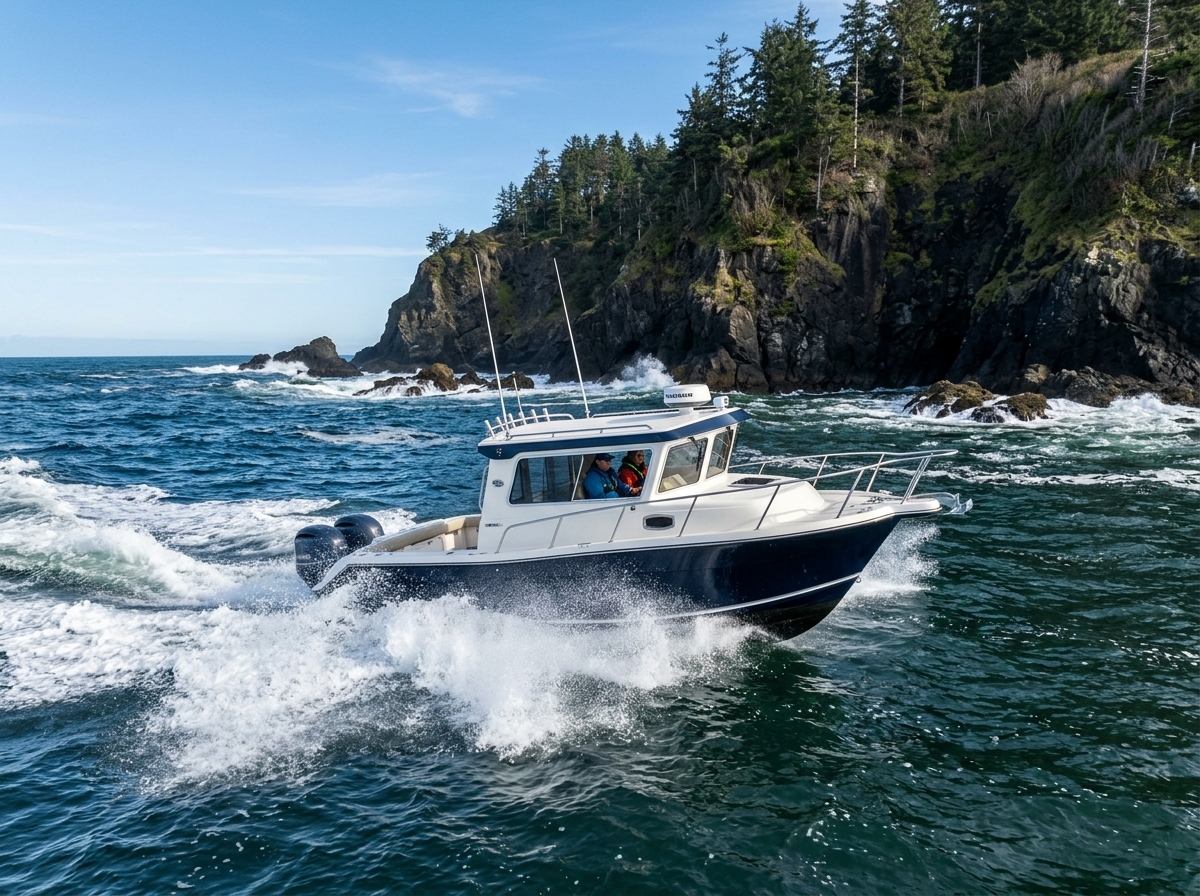
Coastal boating offers exciting opportunities to explore beautiful waterways, visit remote destinations, enjoy recreational fishing, and spend quality time on the water. However, operating a boat near the coast comes with unique challenges. Changing weather conditions, saltwater exposure, strong currents, and varying water depths can all affect engine performance and reliability.
For these reasons, selecting a suitable outboard motor is essential for anyone who regularly enjoys coastal boating. A dependable engine provides the propulsion needed for comfortable travel while helping boat owners navigate different conditions with greater confidence.
Understanding engine specifications, corrosion protection, fuel efficiency, and maintenance requirements can help you choose a motor that meets your needs.
Understanding the Challenges of Coastal Boating
Coastal environments can be demanding for boats and their engines. Unlike many inland waterways, coastal areas may experience changing tides, stronger currents, saltwater exposure, and unpredictable weather.
These conditions place additional demands on marine equipment. Saltwater, in particular, can accelerate corrosion when metal components are not properly protected and maintained.
Boat owners should therefore consider engines designed with suitable corrosion-resistant materials and protective coatings.
Regular cleaning is also important. Flushing an outboard motor with fresh water after saltwater use helps remove accumulated salt deposits from the cooling system.
Choosing an engine with appropriate specifications and maintaining it correctly can help reduce the impact of demanding coastal environments.
Selecting the Right Engine Power
Horsepower plays a significant role in determining how effectively a boat performs in different water conditions. The correct engine size depends on vessel dimensions, total weight, hull design, and intended activities.
A small recreational boat used for occasional coastal trips may require a different engine from a larger vessel designed for offshore fishing.
When comparing outboard motors for sale, always check the manufacturer's recommended horsepower range and maximum engine weight.
Consider how many passengers you usually carry and whether you transport additional equipment, fishing supplies, or fuel.
An engine should provide sufficient power for your normal operating conditions without exceeding the boat's approved specifications.
Selecting an appropriate horsepower rating helps maintain performance, handling, and overall safety.
Why Modern Engines Are Suitable for Coastal Use
Modern marine engines include several technological improvements that support dependable operation and convenient monitoring.
Many new outboard engines feature electronic fuel injection, advanced ignition systems, improved cooling technology, and digital engine monitoring.
Electronic fuel injection helps regulate fuel delivery according to operating conditions, contributing to consistent performance and potentially improved fuel efficiency.
Four-stroke engines are also popular among recreational boat owners because of their smooth operation and relatively quiet performance.
Some modern models include corrosion-resistant components and protective finishes designed to withstand marine environments.
When comparing different engines, investigate the manufacturer's corrosion protection features and maintenance recommendations. These details are particularly important for boats regularly exposed to saltwater.
Fuel Efficiency and Coastal Travel
Fuel efficiency is another important consideration for coastal boat owners. Longer journeys and extended periods of engine operation can increase fuel expenses.
An engine with suitable fuel consumption characteristics can help reduce operating costs while providing the power required for your vessel.
However, actual fuel consumption depends on several variables, including boat weight, cruising speed, hull condition, propeller selection, and water conditions.
Strong currents and rough water may require additional engine power, increasing fuel consumption.
Before traveling, calculate your expected fuel requirements and identify available refueling locations. Always maintain an appropriate emergency fuel reserve.
Regular maintenance, proper loading, and selecting an appropriate cruising speed can also contribute to better fuel economy.
Are Used Outboard Motors Suitable for Coastal Boats?
Purchasing a second-hand engine can be a practical option for boat owners who want to manage their initial investment.
A well-maintained pre-owned motor may provide reliable performance, but coastal use makes careful inspection particularly important.
When considering a used outboard, examine its condition for signs of saltwater corrosion, damaged electrical connections, leaking fluids, and deterioration around the lower unit.
Ask the seller about the engine's previous operating environment and maintenance history.
Important inspection areas include:
Cooling system: Check for proper water circulation and signs of internal corrosion.
Electrical components: Inspect wiring, connectors, and starting systems.
Propeller: Look for cracks, bends, and other physical damage.
Lower unit: Check lubricant condition and inspect for leaks.
Engine hours: Review available operating-hour information.
Service records: Request documentation of previous maintenance and repairs.
A professional inspection can help identify problems that may not be visible during a basic examination.
Corrosion Prevention and Regular Maintenance
Saltwater corrosion is one of the biggest maintenance concerns for coastal boat owners. Prolonged exposure can damage external components and eventually affect important engine systems.
Fortunately, several maintenance practices can help protect an outboard motor.
First, flush the cooling system with fresh water after saltwater operation, following the manufacturer's instructions. This helps remove salt and other deposits.
Second, inspect anodes regularly. Sacrificial anodes are designed to corrode preferentially, helping protect other metal components from galvanic corrosion. Replace them when they become excessively worn.
Third, check exposed electrical connections and metal surfaces for corrosion. Use only suitable marine protection products recommended by the manufacturer.
Finally, follow the recommended servicing schedule for engine oil, gear lubricant, filters, and other components.
Consistent maintenance can help extend engine life and reduce the likelihood of unexpected repairs.
Important Features to Consider Before Purchasing
Choosing a coastal boating engine requires evaluating more than its horsepower rating.
Before purchasing, compare the following specifications:
Corrosion Protection: Look for suitable protective coatings, materials, and anode arrangements.
Fuel Efficiency: Compare estimated consumption under normal cruising conditions.
Engine Weight: Ensure the motor is compatible with your boat's transom.
Cooling System: Consider the manufacturer's cooling design and servicing requirements.
Parts Availability: Check whether replacement components and qualified technicians are accessible.
Warranty Coverage: Understand the available warranty and any specific conditions relating to saltwater use.
These factors can help you identify an engine that offers practical value over the long term.
Preparing Your Boat for Coastal Adventures
Even a reliable engine cannot replace proper trip preparation. Before heading out, inspect the motor, check fuel levels, and confirm that essential equipment is functioning correctly.
Carry appropriate life jackets, navigation equipment, communication devices, and emergency supplies. Monitor weather forecasts and tidal information before departure.
Avoid traveling in conditions beyond your boat's capabilities or your personal experience.
Understanding your engine and knowing how to recognize warning signs can also help you respond more effectively if mechanical problems occur.
Conclusion
Choosing a reliable outboard motor is essential for enjoying coastal boating with greater confidence. Engine compatibility, corrosion resistance, fuel efficiency, and maintenance requirements should all influence your purchasing decision.
Whether you are considering a modern model or a carefully inspected second-hand engine, take time to compare available options and verify their suitability for your vessel.
With the right equipment, regular maintenance, and responsible preparation, you can enjoy more dependable coastal journeys and get greater value from your boating investment.





