
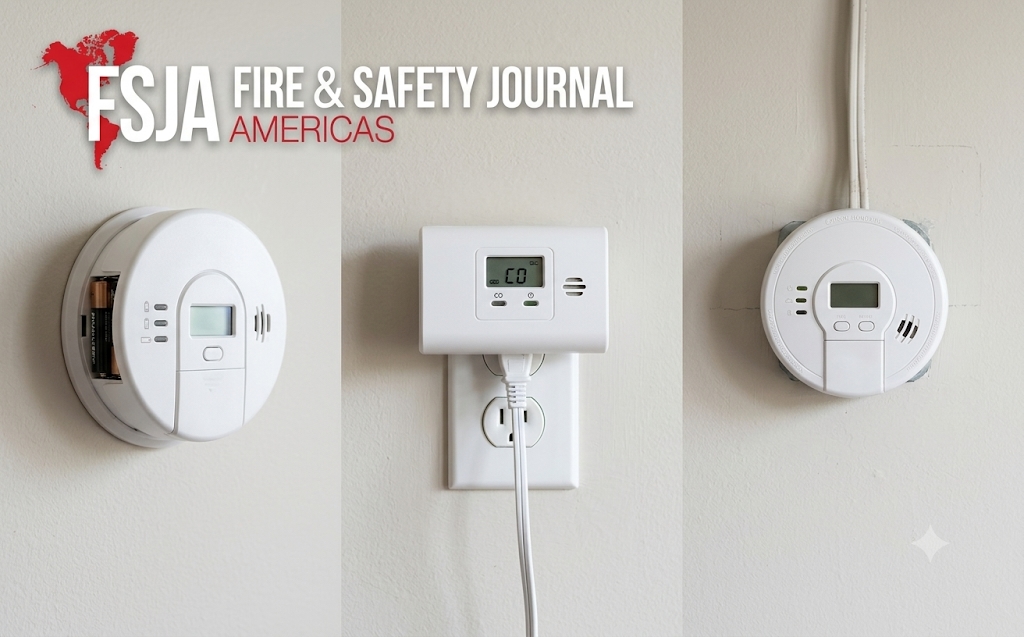
Shoppers in the safety aisle quickly discover that carbon monoxide alarms come in many shapes, power sources and price points. Behind that variety sits a question that matters far more than color or design: how long do carbon monoxide detectors last once they are on your wall? The answer depends partly on the power type and, more importantly, on the sensor inside. This guide compares the main types so you can choose one that suits your home and budget.
How Long Do Carbon Monoxide Detectors Last by Type?
Here is a breakdown of how long do carbon monoxide detectors last across the common categories.
Battery-operated alarms. These run on replaceable batteries and can be placed almost anywhere. Typical lifespan is five to seven years for the sensor, though the battery itself needs replacing once or twice a year. Sealed-battery versions can run up to ten years, and the entire unit is replaced at the end.
Plug-in alarms with battery backup. These draw power from an outlet and keep working during outages thanks to a backup battery. Their sensors usually last five to seven years. They are convenient but limited by outlet placement, and low outlets may not suit every room.
Hardwired alarms. Connected to your home’s electrical system, these usually include battery backup. Sensor life is typically five to ten years, and many can be interconnected so that when one sounds, all sound. This is particularly useful in larger or multi-story homes.
Smart alarms. These connect to your phone through wireless networks and send alerts when you are away. Their sensor life generally matches other types, but their electronics and software may require updates and, in some cases, replacement sooner.
Sensor Technology: The Real Driver of Lifespan
Power source matters for convenience, yet the sensor is what ultimately sets the replacement date. Three technologies are common.
Electrochemical sensors are the most widely used in homes. They are accurate and respond well to low gas levels, but the electrolyte inside gradually dries out.
Biomimetic sensors use a gel that changes color and conductivity when it absorbs the gas. They are less common today and are often found in older models.
Metal oxide semiconductor sensors react to gas through a heated element. They can last longer, but they may be more sensitive to other airborne chemicals.
When comparing models, look for a clear statement of how long do carbon monoxide detectors last on the box, along with the sensor type, so you can judge long-term value rather than just the sticker price.
Cost Versus Lifespan
A cheaper alarm that lasts five years may cost more over time than a pricier ten-year model. To compare fairly, divide the purchase price by the number of years of rated service. Add the cost of batteries for units that need them.
For example, an inexpensive battery alarm may require annual battery changes and complete replacement after five years. A sealed ten-year unit costs more upfront but requires no battery changes and a single replacement per decade. Hardwired alarms cost more to install, since an electrician may be needed, but they offer stable power and the convenience of interconnection.
Do not overlook the hidden cost of forgetting. A detector that quietly expires without being replaced is the most expensive option of all.
Which Type Is Best for Your Home?
Consider your living situation:
Renters and apartment dwellers often prefer plug-in or battery models, since they require no installation work.
Homeowners with new construction or renovation plans can benefit from hardwired, interconnected alarms.
Large or multi-story homes gain from interconnection, so an alert in the basement is heard upstairs.
Frequent travelers may value smart alarms for remote notifications.
Households wanting low maintenance should consider sealed ten-year units.
Whatever you choose, place at least one alarm on each level and outside each sleeping area. Avoid mounting it directly next to fuel-burning appliances, in dead-air corners, or near vents and fans.
Conclusion
Whether you pick battery, plug-in, hardwired or smart, the key is to understand how long do carbon monoxide detectors last and to plan for replacement from day one. Compare sensor types, calculate cost per year, and match the alarm to your home layout. As always, Fire & Safety Journal Americas advises testing every alarm monthly and keeping a replacement date visible where you will not forget it.
Frequently Asked Questions
1. Does a hardwired detector last longer than a battery-powered one?
Not always. The sensor sets the lifespan, so both can last similar periods. Hardwired units simply avoid frequent battery changes.
2. Are smart carbon monoxide detectors worth the extra cost?
They can be, especially if you travel or manage a second property, since they send remote alerts. They still need replacing at the end of their sensor life.
3. Can I combine smoke and carbon monoxide protection in one unit?
Yes, combination alarms exist. Check each function’s lifespan, because the smoke sensor and gas sensor may expire at different times.
4. Is a ten-year alarm always better?
Not necessarily, but it often offers better long-term value and fewer maintenance tasks, as long as you remember its replacement date.
5. How long do carbon monoxide detectors last if I install them in a garage?
Dust, fumes and temperature swings may shorten their life. Place them in living areas instead, and keep a separate approved unit in attached garages if recommended.