

The financial market is evolving as blockchain technology creates new ways to access traditional investment opportunities. Tokenized Stock Trading is gaining attention by bringing stock market assets onto blockchain networks. For crypto entrepreneurs and exchange business owners, this emerging market offers opportunities to expand trading services and attract a wider investor base.
Understanding Tokenized Stock Trading and How It Works
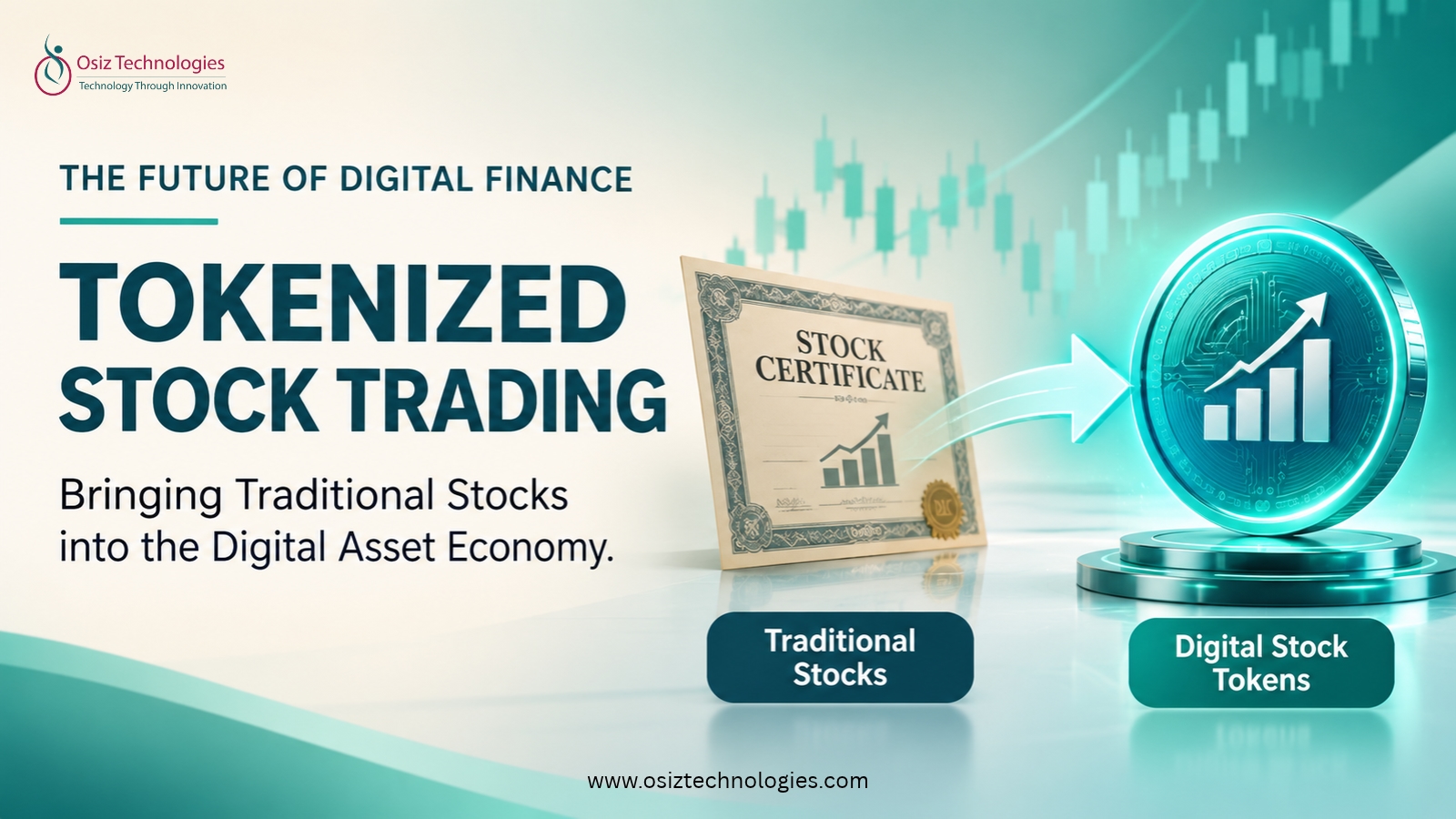
Tokenized stock trading converts traditional stock ownership or economic exposure into digital tokens recorded on a blockchain. These tokens can represent shares of publicly listed companies, depending on the platform's legal and asset structure.
Users can access tokenized stocks through compatible digital wallets and trading platforms. Blockchain technology supports transparent transaction records, while smart contracts can automate specific trading and settlement processes.
Why Crypto Exchanges Are Exploring Tokenized Stock Markets
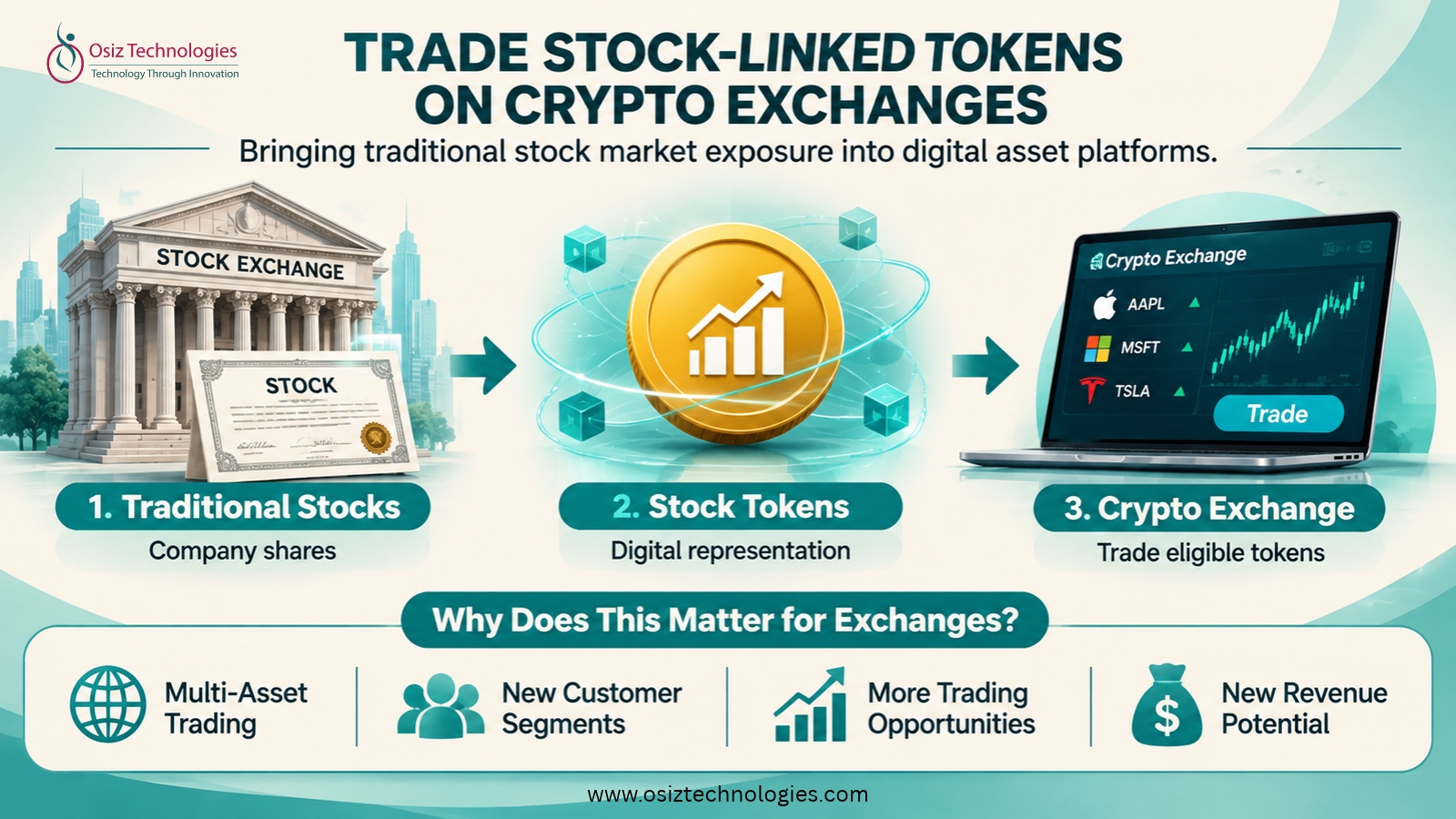
Crypto exchanges are exploring tokenized stocks to expand beyond cryptocurrency trading. This approach can connect digital asset investors with traditional financial markets through a single platform.
Key growth opportunities include:
Broader Asset Access: Offer exposure to traditional stocks alongside cryptocurrencies.
Global Market Reach: Serve eligible investors across supported regions.
Portfolio Diversification: Provide access to multiple asset categories.
New User Segments: Attract investors interested in blockchain-based financial products.
Key Features Required for Tokenized Stock Trading Platforms
A successful platform requires reliable infrastructure and essential trading capabilities. Important features include:
Advanced Trading Engine: Supports efficient order processing and execution.
Smart Contract Integration: Automates token-related transactions.
Secure Wallet Integration: Protects digital assets and user transactions.
KYC and AML Verification: Supports identity checks and regulatory compliance.
Real-Time Market Data: Displays relevant pricing and trading information.
Liquidity Integration: Helps maintain smoother trading experiences.
Businesses exploring Tokenized Stock Exchange Development must also consider asset custody, investor rights, securities regulations, and jurisdiction-specific requirements.
Business Opportunities and Revenue Models for Crypto Exchanges
Tokenized stock markets can introduce additional revenue streams for exchange operators. Businesses can generate income through trading fees, transaction charges, withdrawal fees, premium account features, and institutional services. A flexible business model can help exchanges serve different investor segments while expanding their market offerings.
Conclusion
Tokenized stocks are creating new possibilities for digital asset trading businesses. With the right technology, security, and regulatory framework, exchanges can explore this growing market. Choosing an experienced Crypto Exchange Development Company like Osiz Technologies can help businesses establish scalable infrastructure for tokenized stock trading and broader digital asset services.







