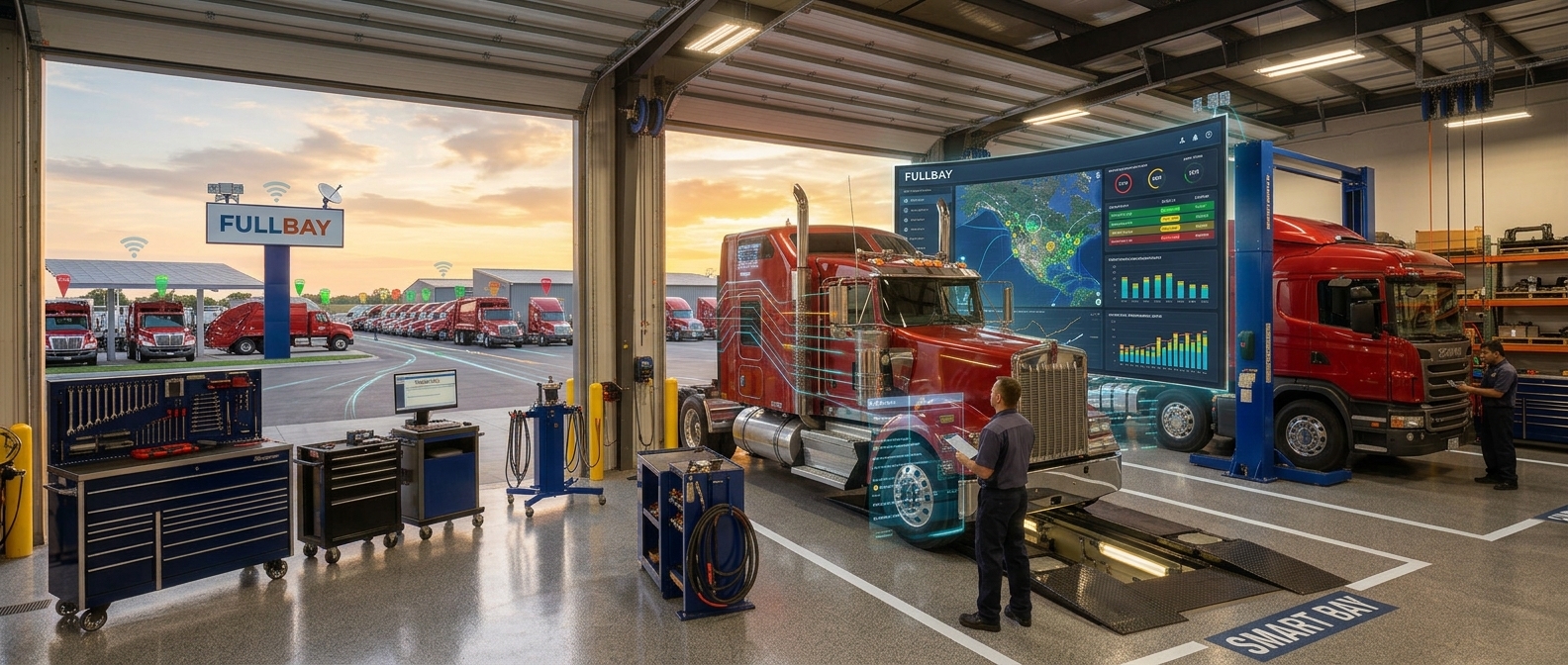
Keeping a fleet in good condition involves much more than repairing vehicles when something goes wrong. Every truck, van, service vehicle, or heavy-duty unit depends on regular inspections, scheduled servicing, accurate records, and timely repairs. When these tasks are handled without a clear system, small maintenance issues can quickly turn into expensive repairs, unexpected downtime, and scheduling problems.
This is where vehicle maintenance management becomes an important part of daily fleet operations. A structured approach helps maintenance teams understand what each vehicle needs, when services are due, which repairs have already been completed, and where potential problems may be developing. Instead of relying on scattered paperwork, spreadsheets, or memory, fleet managers can build a more organized maintenance process that supports better decisions and more reliable vehicles.
Building a More Organized Maintenance Process
A fleet maintenance operation can involve dozens or even hundreds of individual tasks. Oil changes, tire inspections, brake checks, fluid services, preventive repairs, inspections, and emergency work all need to be coordinated.
Without a consistent process, technicians may not always have the information they need before beginning a repair. Managers can also struggle to determine which vehicles require attention first.
Keeping Vehicle Information in One Place
Every vehicle has its own maintenance history. Mileage, service dates, repair details, replaced parts, inspection results, and recurring issues can all provide useful information.
Keeping these records together makes it easier to understand a vehicle's condition over time. A technician can review previous work before diagnosing a new problem, while a fleet manager can identify vehicles that are becoming increasingly expensive to maintain.
Why Accurate Records Matter
Maintenance records are not simply paperwork. They create a history that can reveal patterns.
For example, if the same vehicle repeatedly experiences cooling-system problems, reviewing its previous repairs may help the team determine whether the issue is recurring or connected to another component. This information can support more informed repair decisions instead of treating every breakdown as an isolated event.
Preventive Maintenance Should Come Before Breakdowns
One of the biggest advantages of a structured maintenance strategy is the ability to focus on prevention rather than reaction. Waiting until a vehicle fails can create far more disruption than addressing a developing problem during scheduled service.
Preventive maintenance can include routine inspections, fluid checks, filter replacements, brake inspections, tire monitoring, lubrication, and manufacturer-recommended services.
Turning Maintenance Schedules Into Action
A maintenance schedule is only useful when the team can consistently follow it. Vehicles may have different service intervals based on mileage, engine hours, operating conditions, or manufacturer recommendations.
Fleet managers therefore need a clear way to identify upcoming services and make sure those tasks do not get overlooked.
A well-organized maintenance workflow can help teams plan service around vehicle availability. This reduces the chance of taking a vehicle out of operation unexpectedly and gives technicians a better understanding of what work is coming next.
Identifying Problems Before They Become Expensive
Not every maintenance issue causes an immediate breakdown. A worn belt, aging battery, damaged tire, or developing brake problem may continue working for a while before becoming a serious failure.
Regular inspections give technicians an opportunity to identify these warning signs earlier.
Small Repairs Can Prevent Larger Downtime
Addressing a relatively minor issue during planned maintenance may take considerably less time than dealing with the same problem after a breakdown.
This approach also makes it easier for fleet managers to plan labor, parts, and vehicle availability rather than responding to an unexpected emergency.
Improving Fleet Repair Workflows
Repairs can become difficult to manage when information moves between drivers, technicians, supervisors, and administrative staff without a central process.
A strong maintenance workflow gives each person a clearer understanding of what needs to happen next.
Creating Better Work Orders
Work orders provide structure to repair activities. They can describe the reported problem, inspection findings, required repairs, parts used, labor performed, and final completion details.
When work orders are properly documented, technicians have clearer instructions and managers can monitor repair progress more effectively.
From Problem Report to Completed Repair
A typical workflow may begin when a driver reports an unusual noise or performance issue. The vehicle is then inspected, the problem is documented, necessary parts are identified, and the repair is assigned to a technician.
After the repair, the completed work can be recorded for future reference.
This creates a continuous maintenance trail rather than leaving important information buried in conversations, handwritten notes, or disconnected files.
Managing Parts and Maintenance Costs
Vehicle maintenance does not depend only on technicians. Parts availability and cost control also have a major effect on fleet efficiency.
A vehicle may remain unavailable simply because a relatively inexpensive replacement component is not available when the repair is scheduled.
Keeping Track of Common Parts
Maintenance teams can monitor frequently used components such as filters, belts, brake parts, fluids, batteries, and other replacement items.
Understanding which parts are regularly consumed can make inventory planning more predictable.
Understanding Where Maintenance Money Goes
Maintenance costs can increase gradually without becoming obvious. Individual repairs may appear manageable, but repeated labor, parts, towing, and downtime costs can have a significant effect on the overall fleet budget.
Looking Beyond Individual Repair Bills
Managers can review maintenance spending by vehicle, repair category, component, or time period. This makes it easier to identify vehicles that consistently require higher levels of investment.
Such information can become useful when deciding whether a vehicle should remain in service, receive additional preventive attention, or eventually be replaced.
Making Technicians More Productive
Technician productivity is another important part of fleet maintenance. Skilled technicians can complete quality repairs, but their effectiveness can be reduced when they spend too much time searching for information, locating parts, or waiting for approvals.
Giving Technicians Better Access to Information
Technicians benefit from having access to accurate vehicle histories and clearly defined repair tasks.
When previous maintenance information is available, they may spend less time trying to determine what has already been done to a vehicle.
This can also help avoid unnecessary part replacement or repeated diagnostic work.
Reducing Administrative Work
Maintenance teams often have to manage paperwork, spreadsheets, phone calls, inspection records, parts information, and repair documentation alongside actual mechanical work.
A more structured system can reduce the administrative burden surrounding these tasks.
More Time for Actual Maintenance
When routine information is easier to record and retrieve, technicians and supervisors can spend more time focusing on vehicle condition and repair quality instead of repetitive administrative activities.
That does not eliminate the need for careful documentation. Instead, it makes documentation easier to maintain consistently.
Using Maintenance Data for Better Decisions
One of the most valuable aspects of organized maintenance is the information it produces.
A fleet manager can use maintenance data to understand how vehicles are performing and where operational problems may exist.
Tracking Vehicle Maintenance Trends
Maintenance data can reveal patterns such as frequent repairs, rising costs, repeated component failures, or increasing downtime.
These trends can help managers investigate problems before they become larger operational concerns.
For example, if several vehicles experience similar tire issues, the fleet may need to examine tire selection, operating conditions, alignment, loading practices, or inspection routines.
Measuring Fleet Reliability
Vehicle reliability can be considered from several angles, including repair frequency, downtime, preventive maintenance completion, and recurring failures.
Turning Data Into Practical Improvements
Data alone does not improve a fleet. Its value comes from how managers use it.
A maintenance team can review historical information and determine which processes need adjustment. The goal is to move from simply recording maintenance activity toward using that information to improve future maintenance decisions.
Choosing Technology for Vehicle Maintenance Management
As fleets grow, manual maintenance processes can become increasingly difficult to maintain. Technology can help organize information, automate reminders, and provide better visibility into ongoing work.
However, selecting a system should involve more than choosing the software with the longest feature list.
Features Fleet Managers Should Consider
A useful maintenance platform may include vehicle records, preventive maintenance scheduling, work order management, repair histories, parts tracking, inspection records, and maintenance reporting.
The right combination depends on the fleet's size and operational requirements.
Considering Ease of Use
A system can have many advanced features but still create problems if technicians and managers find it difficult to use.
Practical Adoption Matters
The best maintenance process is one that the team can consistently follow.
Before adopting new technology, fleet managers should consider how easily technicians can enter information, how quickly managers can find records, and whether the system fits naturally into existing maintenance workflows.
Creating a More Reliable Fleet Over Time
Effective maintenance is not a one-time project. Vehicle condition changes constantly as units accumulate mileage, operate under different conditions, and experience normal wear.
A strong maintenance strategy therefore needs continuous attention.
Regular inspections, preventive services, accurate repair records, parts planning, and useful maintenance data all contribute to a more controlled process.
When these elements work together, fleet managers gain a clearer picture of what is happening across their vehicles. Instead of constantly reacting to breakdowns, teams can plan maintenance around operational needs and address problems before they cause unnecessary disruption.
Conclusion
Modern fleets require more than occasional repairs to remain productive. They need organized processes that connect inspections, preventive maintenance, repairs, parts, records, technicians, and operational planning.
Vehicle maintenance management provides a structured way to bring these activities together. By maintaining accurate vehicle histories, scheduling preventive services, improving work orders, monitoring maintenance costs, and using data to identify recurring problems, fleet operators can create a more predictable maintenance environment.
The goal is not simply to repair vehicles faster. It is to understand fleet condition more clearly, plan maintenance more effectively, and reduce the operational impact of avoidable problems. As fleets become more complex, having a dependable maintenance process can make the difference between constantly reacting to vehicle issues and managing them with greater control.