
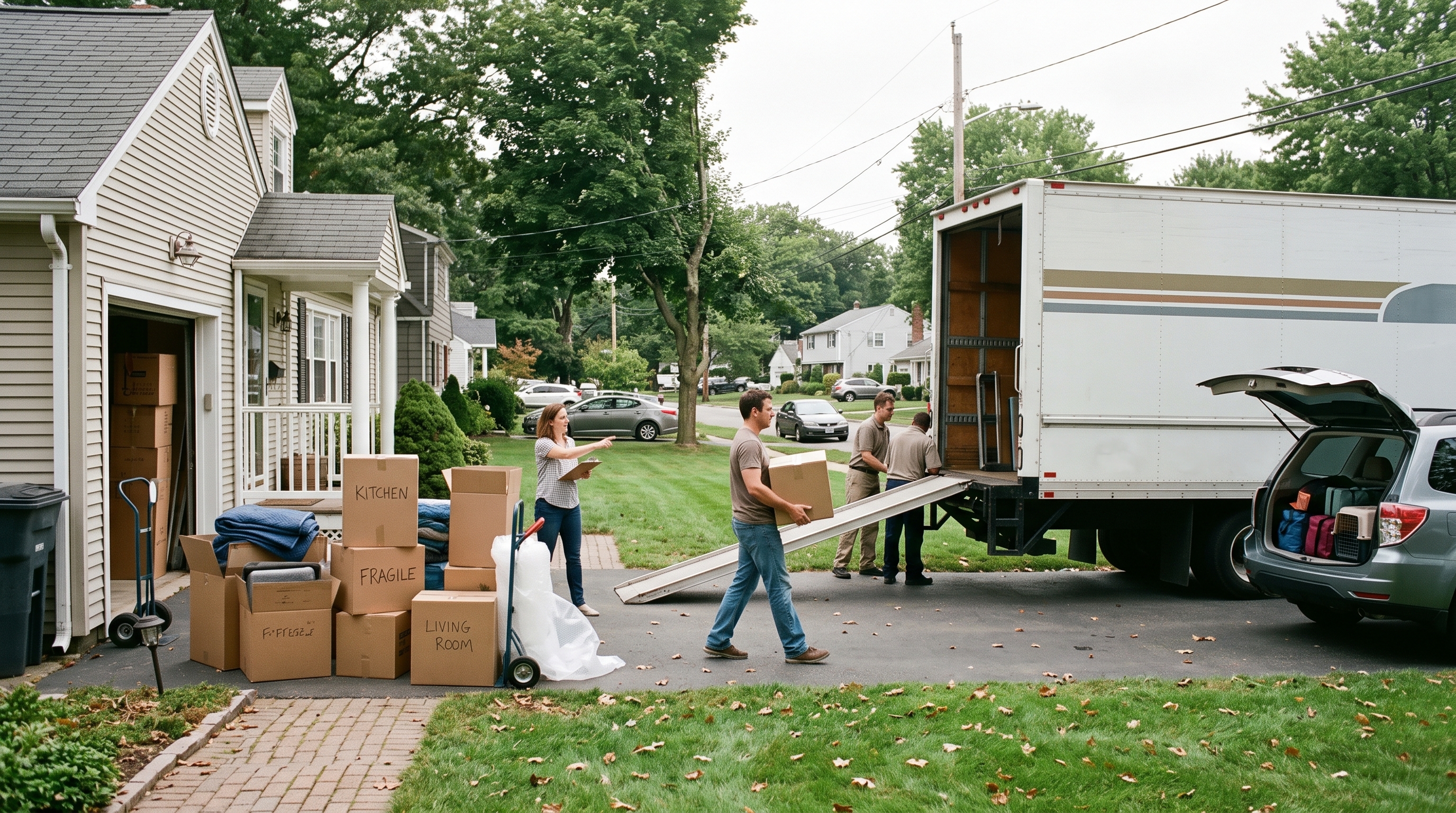
Planning a long-distance move involves much more than packing boxes and choosing a moving date. Homeowners must consider transportation costs, moving company credentials, property preparation, insurance coverage, and the practical details of settling into a new home.
Whether you are moving from Birmingham to another state or relocating from Huntsville or Mobile to a different part of the country, careful preparation can make the process easier.
A successful relocation begins with understanding your priorities and researching your options before making commitments.
Comparing professional movers, creating a realistic budget, and organizing household belongings can help you avoid unexpected expenses and unnecessary stress.
This guide explains the essential factors homeowners should consider before planning a long-distance move.
Understand the Scope of Your Move
Before contacting moving companies, determine what your relocation will involve. The size of your home, the distance between locations, the number of belongings, and your preferred moving schedule will influence the planning process.
For example, moving from a three-bedroom home in Birmingham to another state may require a larger truck, more packing materials, and additional labor compared with moving from a small apartment.
Start by answering a few important questions:
How far will you be moving?
How many rooms of belongings need transportation?
Will you pack everything yourself or hire professional packers?
Do you need temporary storage?
Are there large or fragile items that require special handling?
Will you need help with furniture disassembly and reassembly?
These answers will help you request more accurate estimates and compare services fairly.
Create a Moving Inventory
Walk through each room and record the items you intend to move. Include furniture, appliances, electronics, outdoor equipment, and personal belongings.
A detailed inventory helps you estimate the shipment size and identify items that may require special care. It also makes it easier to decide what to sell, donate, discard, or transport to your new home.
Establish a Realistic Moving Budget
Long-distance moving expenses can vary considerably. The final price depends on the distance, shipment weight or volume, services selected, access conditions, and timing.
Homeowners should prepare a budget that includes more than the basic transportation charge.
Potential expenses include:
Professional moving services
Packing supplies and packing labor
Furniture disassembly and reassembly
Moving insurance or additional valuation protection
Storage fees, if required
Travel, meals, and temporary accommodation
Utility setup and service transfers
Cleaning and repairs at the old property
Unexpected expenses during the transition
For example, a homeowner may receive an attractive estimate for transportation but later discover that packing, stair carries, storage, or other requested services cost extra.
Ask each moving company for a written estimate that clearly explains what is included and what could increase the final price.
Leave Room for Unexpected Costs
Even well-organized moves can involve delays, schedule changes, or additional expenses. Set aside a contingency amount based on your financial situation rather than spending your entire budget on the initial estimate.
You should also review your mortgage payments, property taxes, homeowners association fees, and other housing costs if you are purchasing another property.
Compare Moving Companies Before Booking
Choosing the right moving company is one of the most important decisions in a long-distance relocation. A provider may offer competitive pricing but lack the services, experience, or scheduling flexibility you need.
An Alabama moving companies comparison allows homeowners to examine different providers before making a decision.
Compare the services offered, estimated costs, customer feedback, credentials, and communication quality instead of relying on price alone.
When researching companies, consider the following:
Comparison Factor | What to Check |
|---|---|
Licensing and registration | Verify applicable state and federal requirements |
Experience | Look for experience with interstate residential moves |
Estimates | Compare written estimates with similar service levels |
Services | Confirm packing, loading, unloading, and storage options |
Customer reviews | Look for consistent patterns in recent feedback |
Valuation coverage | Understand liability limits and available protection |
Scheduling | Confirm pickup and delivery arrangements |
Communication | Assess how clearly the company answers questions |
Verify Licensing and Credentials
A long-distance move that crosses state lines generally falls under federal interstate moving regulations.
Homeowners should verify that the company transporting their household goods is properly registered and authorized for the services it provides.
For interstate household moves in the United States, check the company's USDOT number through the Federal Motor Carrier Safety Administration (FMCSA).
You should also review the company's complaint history, insurance information where available, and official business details.
Before signing an agreement, ask:
Is the company authorized to handle interstate household moves?
Does the business name match its registration?
Who will physically transport my belongings?
Will another carrier or subcontractor be involved?
What documents will I receive before moving day?
How are disputes and damage claims handled?
If you are moving within Alabama, state requirements may differ from those applicable to interstate transportation. Verify the rules relevant to your specific move.
Never assume that a professional-looking website or a positive online review automatically proves that a company is properly licensed.
Understand the Difference Between Binding and Nonbinding Estimates
Moving estimates are not always structured the same way. Understanding the type of estimate you receive can help you avoid confusion when the final bill arrives.
A binding estimate generally establishes the price for the listed services and shipment under the conditions specified in the agreement.
A nonbinding estimate is an approximation of the expected cost. The final amount may differ according to applicable rules and the actual services or shipment details.
Ask the moving company to explain its pricing in writing. Review the inventory, included services, payment requirements, and conditions that may affect the charge.
Do not rely exclusively on verbal promises. If a representative agrees to provide packing, storage, or another service, confirm that the agreement reflects it.
Be cautious if a company refuses to provide clear documentation, demands unexplained additional payments, or pressures you to sign immediately.
Decide What to Pack, Sell, or Leave Behind
Moving every item you own may not be the most practical or economical option. Long-distance transportation costs can increase with shipment size and weight, depending on the pricing method used.
Before packing, divide your belongings into four categories:
Keep: Items you regularly use or want in your new home.
Sell: Furniture, appliances, or other possessions with resale value.
Donate: Usable items that someone else could benefit from.
Discard: Broken, expired, or unwanted possessions.
Pay particular attention to duplicate furniture, unused exercise equipment, old electronics, and items that may not fit your next home.
Reducing your shipment can make loading and unloading easier while potentially lowering moving costs.
Measure Large Furniture
Measure beds, sofas, dining tables, refrigerators, and other oversized items. Compare these measurements with the layout of your new property.
This is especially important if you are moving into a smaller home or a property with narrow hallways, staircases, or restricted entrances.
Protect Valuable and Fragile Belongings
Long-distance transportation involves handling, loading, unloading, and travel over many miles. Proper packing can reduce the risk of damage.
Use strong boxes, suitable cushioning materials, and appropriately sized containers. Avoid leaving empty spaces inside boxes, and do not overload cartons with heavy objects.
Clearly label fragile packages and keep an inventory of valuable belongings.
Consider transporting essential documents, jewelry, prescription medications, and irreplaceable personal items yourself when practical and permitted.
Understand Moving Valuation Coverage
Moving companies generally offer different forms of liability protection for household goods. Federal rules require interstate movers to provide specified valuation options, but valuation is not necessarily the same as a conventional insurance policy.
Review the applicable coverage, exclusions, deductibles where relevant, and claim procedures before signing.
Ask how damaged items must be reported and what documentation you should retain. Photographs taken before packing can help establish the condition of valuable belongings.
Plan Your Moving Timeline Early
A long-distance relocation requires coordination among several parties. Starting early gives you more flexibility when choosing a mover and scheduling other services.
A practical timeline might look like this:
Time Before Moving | Recommended Tasks |
|---|---|
6–8 weeks | Research movers, prepare a budget, and organize belongings |
4–6 weeks | Request estimates, verify credentials, and confirm services |
2–4 weeks | Arrange utilities, update addresses, and begin packing |
1 week | Confirm logistics, prepare essentials, and finish packing |
Moving day | Complete the inventory, review documents, and supervise loading |
After arrival | Inspect belongings, report problems, and complete essential setup |
These timeframes are guidelines rather than strict requirements. Peak moving seasons and complicated relocations may require additional preparation.
Choose the Right Moving Date
Moving dates can influence availability, flexibility, and price. Summer, month-end periods, and weekends may be especially busy for moving companies.
If your schedule allows, request estimates for several dates. Compare the complete service terms rather than assuming that a less expensive date will always provide the best value.
Homeowners should also consider weather conditions, school schedules, employment start dates, property closing dates, and lease obligations.
If you are selling one home and purchasing another, coordinate the closing and possession dates carefully. A delay in either transaction can affect your moving schedule.
Ask your mover what happens if the property is not ready on the scheduled date or delivery must be postponed.
Prepare Your Current Home for Moving Day
A well-prepared property makes loading safer and more efficient.
Before the movers arrive, clear walkways, remove tripping hazards, and ensure that entrances and driveways are accessible. Reserve parking or loading space where necessary.
Disconnect appliances according to manufacturer instructions or arrange professional assistance when required. Empty furniture drawers if the mover instructs you to do so.
Protect floors and walls in high-traffic areas, especially if you have recently renovated or prepared the property for sale.
Keep children and pets away from active loading areas. If you live in a community with access restrictions, notify the relevant management office and arrange any required permissions.
Check the New Property Before Delivery
Your new home should be ready to receive your belongings before the moving truck arrives.
Confirm that you have access to the property and that electricity, water, and other essential services are available. Measure doorways, staircases, and tight spaces before large furniture is delivered.
If the home requires repairs, cleaning, or pest treatment, arrange these tasks in advance when possible.
You should also identify where major furniture pieces will go. A basic room layout can help movers place items correctly and reduce the need for repeated lifting.
If your new property is not ready, ask the moving company about storage options, delivery rescheduling, and any associated charges before finalizing your plan.
Understand Delivery Windows and Delays
Long-distance moves do not always follow a precise timetable. Traffic, weather, road restrictions, operational problems, and other circumstances can affect transportation.
Ask your mover for the expected pickup and delivery windows. Find out how you will receive updates and whom to contact if the schedule changes.
Avoid making essential plans that depend on an unconfirmed delivery time. If possible, keep a few flexible days in your schedule.
Prepare a separate essentials bag containing clothing, toiletries, chargers, important documents, basic kitchen supplies, and other necessities. This can help you manage comfortably if your shipment arrives later than expected.
Review the Contract Before Signing
A moving contract explains the services, responsibilities, payment terms, and other conditions associated with your relocation.
Read the entire document carefully rather than reviewing only the quoted price.
Pay attention to:
The company responsible for transporting your belongings
Pickup and delivery locations
Estimated dates or delivery windows
Inventory and shipment details
Included and excluded services
Payment terms and additional charges
Cancellation and rescheduling policies
Valuation coverage and claims procedures
Storage arrangements, if applicable
Request clarification if anything is unclear. Keep copies of the estimate, order for service, bill of lading, inventory documents, and relevant communications.
For interstate moves, review the consumer information and required documents provided by the mover under applicable federal rules.
Avoid Common Long-Distance Moving Mistakes
Homeowners can reduce unnecessary stress by recognizing common planning mistakes before they become problems.
Choosing the Cheapest Estimate Automatically
A low estimate may exclude important services or be based on incomplete shipment information. Compare similar services and confirm what the quoted price covers.
Waiting Too Long to Book
Late planning can limit your choice of companies and moving dates. Begin researching early, especially during busy seasons.
Failing to Document Belongings
An inventory and photographs can make it easier to identify missing or damaged items. Retain copies of important documents.
Ignoring Delivery Conditions
A low transportation price may not include every possible access, storage, or delivery-related charge. Discuss your property's conditions before booking.
Forgetting Address Changes
Update your address with the postal service, banks, insurance providers, employers, and other relevant organizations. Arrange mail forwarding where appropriate.
Overlooking the Cost of Settling In
Your moving budget should include the first few weeks in your new home. Utility deposits, basic supplies, minor repairs, and temporary accommodation can add up.
Use a Moving Directory to Support Your Research
Finding a suitable moving company can take time, particularly when you are unfamiliar with providers serving your new destination.
A moving directory can make the initial research process more organized by helping you discover potential companies and compare available information.
My Good Movers is designed as a moving directory platform for people researching moving services.
Homeowners can use to begin exploring available options and support their moving-company research.
When using a directory, compare companies according to your actual requirements. Look for relevant services, check customer feedback, and verify licensing through official sources. Request written estimates from suitable providers before deciding.
For homeowners carrying out an Alabama moving companies comparison, this approach helps create a more structured shortlist rather than relying on a single recommendation or advertisement.
Remember that a directory listing is a starting point, not a guarantee of a company's quality, availability, or credentials. Complete your own checks before making a financial commitment.
Prepare for Your First Week in the New Home
Moving day is only one part of the relocation process. A little planning can make your first week more manageable.
Start by unpacking essentials, setting up beds, checking appliances, and organizing frequently used spaces.
Confirm that utilities and internet services are working. Locate nearby grocery stores, healthcare providers, schools, and other services that matter to your household.
Inspect delivered belongings as soon as practical. Record any visible damage or missing items and follow the mover's reporting and claims procedures promptly.
If you are relocating for a new job, establish a manageable routine before adding unnecessary tasks to your schedule.
Give yourself time to settle in. Unpacking every box immediately is not essential, and prioritizing the rooms you use most can make the transition less overwhelming.
Frequently Asked Questions
How far in advance should I plan a long-distance move?
Starting six to eight weeks before moving day is a useful general guideline. Larger homes, peak-season moves, and complicated relocations may require more time. Begin earlier if you need specialty services or have limited scheduling flexibility.
How can I compare Alabama moving companies effectively?
Compare written estimates, interstate moving credentials, services, customer reviews, valuation options, delivery arrangements, and contract terms. My Good Movers can help you begin researching moving companies, but you should independently verify each provider before booking.
What affects the cost of a long-distance move?
Common factors include distance, shipment weight or volume, packing services, storage requirements, access conditions, moving dates, and additional handling needs. Request detailed written estimates based on an accurate inventory.
Should I pack my belongings myself?
Self-packing can give you more control over the process and may reduce labor expenses. Professional packing can save time and provide specialized handling for certain items. Compare the cost, convenience, and responsibilities associated with each option.
How do I check whether an interstate mover is legitimate?
Verify the company's USDOT number and operating authority through the FMCSA's official resources. Confirm the legal business details, review the contract, and be cautious of pressure tactics or unexplained charges.
What should I keep with me during a long-distance move?
Keep identification, important documents, medications, valuables, essential electronics, chargers, basic toiletries, a change of clothing, and other immediate necessities accessible. Avoid packing irreplaceable items in the main shipment when practical.
Can I change my moving date after booking?
Possibly, depending on the company's policies and the terms of your agreement. Ask about rescheduling deadlines, cancellation charges, and availability before signing.
Why should I use My Good Movers when researching moving companies?
My Good Movers is a moving directory platform that helps consumers explore moving-company options. It can support the early comparison process, while official credential checks, written estimates, and contract reviews help you make a more informed final decision.
Conclusion
Planning a long-distance move requires careful budgeting, reliable information, and a clear understanding of the services you need.
Homeowners who organize their belongings early, verify moving company credentials, review estimates, and prepare both properties are better positioned to manage the transition.
Start by creating an inventory and establishing a realistic budget. Then compare companies using consistent criteria, confirm all important details in writing, and leave room for unexpected changes.
If you are researching an Alabama moving companies comparison, My Good Movers can provide a starting point for exploring moving-company options. Combine directory research with independent verification and detailed estimates to find a provider that fits your relocation needs.
With the right preparation, you can protect your belongings, manage expenses more confidently, and focus on making your new house feel like home.