
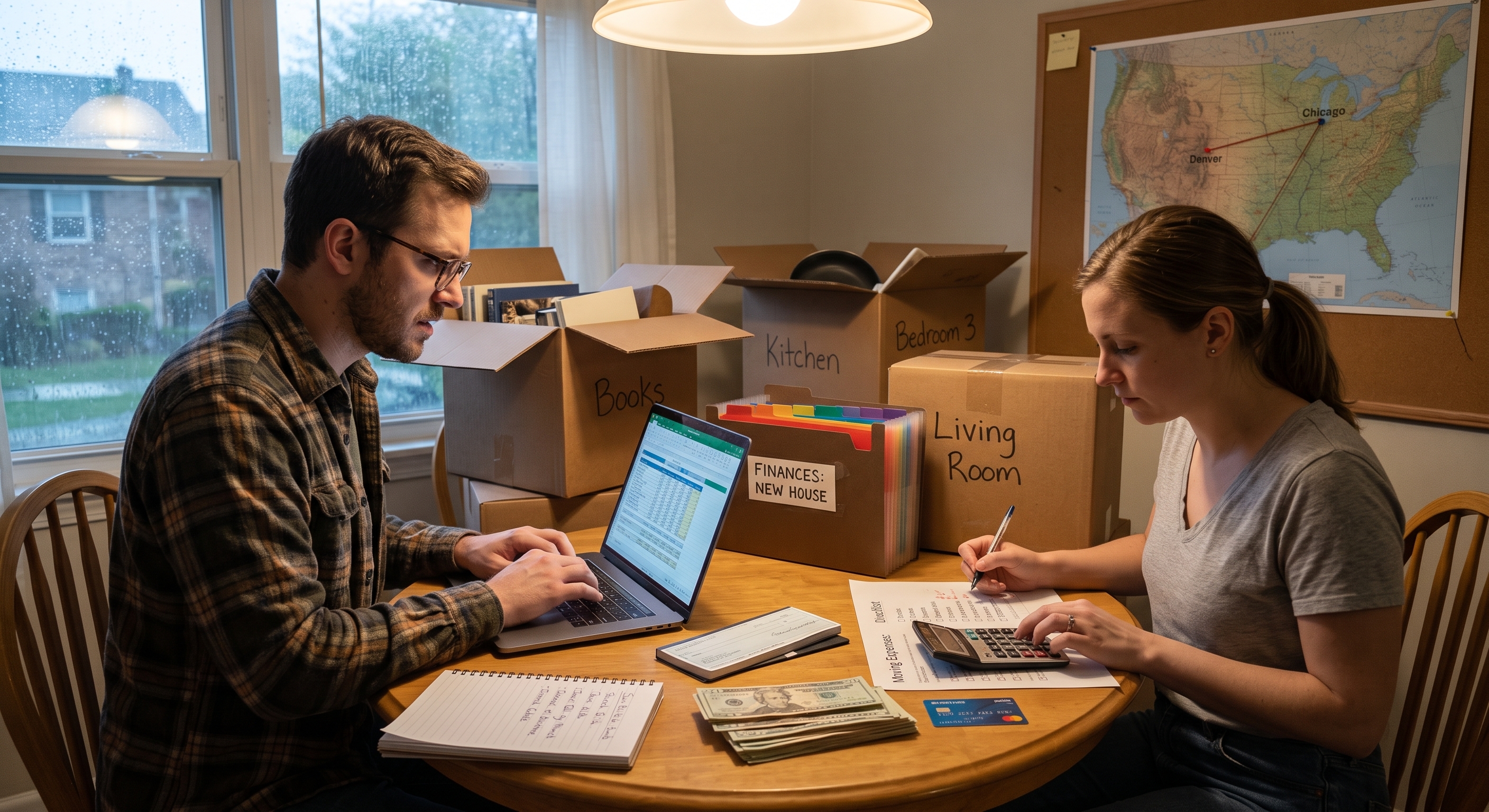
Moving from a three-bedroom home is a major project. You may have several bedrooms, a kitchen full of appliances, living room furniture, electronics, clothing, decorations, and years of household belongings to organize.
Because there are more items to transport, your moving budget needs more attention than it would for a small apartment.
Planning ahead can make a big difference. Instead of waiting until moving day to discover unexpected expenses, you can estimate your costs, compare moving options, and keep extra money available for surprises.
When researching three-bedroom moving costs, remember that there isn't one fixed price that applies to every move.
The final amount depends on factors such as moving distance, the amount of furniture you own, packing services, labor, moving dates, stairs, elevators, and special handling requirements.
The goal isn't simply to find the cheapest quote. You want to understand what you're paying for and make sure your budget matches the services you actually need.
Understanding Three-Bedroom Moving Costs
Before creating your budget, it's important to understand what determines the price of a three-bedroom move.
Moving Distance
Distance is one of the biggest factors. A local move may be priced differently from a long-distance or interstate move.
Local movers often consider:
Number of movers required
Hours of labor
Travel time
Truck requirements
Loading and unloading conditions
Packing services
Long-distance moves can involve additional transportation costs, fuel, mileage, and logistics.
Household Size
A three-bedroom house doesn't automatically contain the same amount of belongings as another three-bedroom house. One family may have minimal furniture, while another may have a garage, basement, attic, home office, and storage areas.
The more items you have, the more labor and truck space may be required.
Moving Services
Your service choices also affect your final bill. You might choose basic loading and transportation, or you could add:
Full packing
Unpacking
Furniture disassembly
Furniture assembly
Specialty item moving
Temporary storage
Moving supplies
Debris removal
That's why it's helpful to decide what you can handle yourself before requesting quotes.
Build a Complete Moving Budget
The first step is to create a complete moving budget. Don't simply write down the amount a moving company gives you. That number may represent only the transportation and labor portion of your move.
Start with a simple spreadsheet or notebook and divide expenses into categories.
Expense Category | What to Include |
|---|---|
Movers | Labor and transportation |
Packing | Boxes, tape, paper, and professional packing |
Travel | Fuel, flights, hotels, and meals |
Storage | Storage unit or container fees |
Cleaning | Cleaning your old or new home |
Utilities | Deposits and connection fees |
Insurance | Additional coverage if needed |
Miscellaneous | Tips, parking, tolls, and unexpected expenses |
Once you've listed everything, estimate a low and high amount for each category.
For example, instead of writing "packing: $300," you might create a range of $200–$500. This approach gives you more flexibility.
Separate Essential and Optional Expenses
Not every moving expense is necessary.
Professional packing may save time, but you could pack many household items yourself. Storage may be useful if your closing dates don't line up, but it might not be needed if you move directly into your new home.
Separate your expenses into:
Essential expenses
Transportation
Basic labor
Required moving supplies
Travel to your destination
Optional expenses
Professional packing
Unpacking
Storage
Specialty services
Extra convenience services
This makes it easier to identify areas where you can reduce costs if your budget becomes tight.
Estimate Your Moving Expenses Carefully
Once you've built a basic budget, estimate each expense realistically.
For a three-bedroom move, consider everything from the first packing box to the final item placed inside your new home.
Moving Company Charges
Request detailed estimates from several moving companies. Ask what the quote includes and whether it is binding, non-binding, or based on another pricing structure.
Don't be afraid to ask questions. A professional mover should be able to explain the major components of your estimate.
Packing Supplies
Packing costs can add up quickly.
You may need:
Small boxes
Medium boxes
Large boxes
Wardrobe boxes
Mattress bags
Bubble wrap
Packing paper
Tape
Labels
Furniture covers
Buying supplies gradually can make the expense easier to manage.
Cleaning Costs
Many people forget about cleaning expenses. You may need to clean your current property before moving out or prepare the new home before unpacking.
If you're renting, cleaning may also be important for meeting lease requirements and protecting your security deposit.
Utility and Service Costs
Don't forget about:
Electricity deposits
Internet installation
Water service
Gas connections
Trash service
Security systems
These aren't technically moving-company costs, but they're part of the financial picture.
Compare Professional Moving Quotes
Getting one quote may be convenient, but comparing multiple estimates can give you a better understanding of your options.
A moving directory can make this process more organized. With My Good Movers, for example, homeowners can use a moving-focused platform to research movers and explore quote options rather than beginning their search from scratch.
Compare More Than the Price
When reviewing estimates, look at:
Services included
Estimated labor
Transportation
Insurance or valuation coverage
Additional fees
Delivery arrangements
Cancellation policies
Company experience
Customer reviews
A lower quote isn't necessarily comparable to a higher quote if the services are different.
For example, one company might include basic transportation while another includes packing and furniture assembly.
Ask for a Written Estimate
Whenever possible, get the details in writing.
Your estimate should make it easier to understand:
What services are included.
What could increase the price.
Which fees are optional.
How additional services are charged.
What happens if the move takes longer than expected.
This can help prevent unpleasant surprises later.
Plan for Packing Costs
Packing is one of the areas where homeowners have significant control over their spending.
If you're comfortable doing the work yourself, DIY packing can reduce labor expenses. However, it takes time and organization.
Create a Packing Schedule
Don't leave everything until the final weekend.
Start with items you don't use every day, such as:
Seasonal decorations
Extra clothing
Books
Guest-room items
Collectibles
Decorative pieces
Then gradually pack less frequently used kitchen and household items.
Decide What Professionals Should Pack
You don't necessarily need a full packing service.
A practical compromise might be to pack ordinary household goods yourself while hiring professionals for fragile or difficult items.
Specialty items may include:
Large mirrors
Artwork
Antiques
Pianos
Glass furniture
Heavy safes
Delicate electronics
Ask the mover about special handling before assuming these items are included in a standard service.
Avoid Buying Too Many Boxes
A common mistake is purchasing far more supplies than necessary.
Before buying boxes, take inventory. You may also be able to find clean boxes from local stores, friends, or community groups, depending on their condition and suitability.
Account for Travel and Transportation
Your moving budget shouldn't stop at the moving truck.
If you're relocating to another city or state, your own travel expenses can become significant.
Calculate Fuel and Tolls
If you're driving, estimate:
Fuel
Tolls
Parking
Vehicle maintenance
Overnight stops
If you're towing a trailer or driving a large vehicle, fuel consumption may be higher than usual.
Budget for Hotels
Long-distance moves may require one or more overnight stays.
Research potential hotel costs before moving day rather than waiting until you're exhausted and booking the first available room.
Plan for Meals
Moving days can make normal meal preparation difficult.
Set aside money for:
Breakfast
Lunch
Dinner
Drinks
Snacks
It may seem like a small expense, but several days of travel can add up.
Consider Your Vehicle
If you're moving far away, decide how you'll transport personal vehicles.
Possible options include:
Driving your own car
Having someone else drive it
Shipping the vehicle
Using a professional auto transport company
Add the selected option to your moving budget before finalizing your plan.
Prepare for Hidden Moving Fees
Unexpected charges are one of the biggest reasons moving budgets go over plan.
That doesn't mean every additional charge is unfair. Sometimes the conditions of the move change or require extra work.
The key is to identify possible charges before moving day.
Common Additional Charges
Potential expenses can include:
Long carries
Stairs
Elevator fees
Shuttle services
Bulky-item handling
Packing materials
Extra labor
Storage
Waiting time
Additional stops
Rescheduling
Travel fees
Not every mover charges these fees, so ask about them specifically.
Check Access at Both Homes
Tell the moving company about access conditions.
For example, if the moving truck can't park close to your building, movers may need to carry items a longer distance.
Similarly, narrow hallways, multiple flights of stairs, or limited elevator access can affect the work involved.
Giving accurate information when requesting a quote helps create a more realistic estimate.
Create an Emergency Moving Fund
Even a carefully planned move can produce unexpected expenses.
For this reason, consider creating a separate emergency fund for the move.
The amount depends on your overall financial situation, but the basic idea is simple: don't spend your entire moving budget before moving day.
Keep a financial buffer for situations such as:
Last-minute packing supplies
Extra hotel nights
Additional moving labor
Delayed closing dates
Temporary storage
Vehicle repairs
Replacement household items
Having extra money available can reduce stress when something doesn't go exactly according to plan.
Keep Emergency Money Separate
If possible, keep your moving emergency fund separate from the money allocated for everyday spending.
This helps you see exactly how much remains available.
You can also create three separate categories:
Moving fund: expected moving expenses.
Travel fund: transportation, hotels, and meals.
Emergency fund: unexpected expenses.
This simple system can make a complicated move much easier to manage.
How to Reduce Three-Bedroom Moving Costs
Once you know where your money is going, look for ways to reduce unnecessary expenses.
Declutter Before Getting Quotes
The less you move, the less space, labor, and packing material you may need.
Go through each room and sort belongings into:
Keep
Sell
Donate
Recycle
Discard
Don't pay to transport things you don't actually want in your new home.
Sell Unwanted Furniture
Large furniture can be expensive to move.
If you have an old sofa, oversized bookshelf, or spare table you no longer need, selling it before the move could help reduce the amount of household goods you transport.
You may also use the proceeds to offset moving expenses.
Choose Your Moving Date Carefully
Moving demand can vary throughout the year.
Ask movers whether your preferred date affects pricing. If your schedule is flexible, compare different dates before making a final decision.
Pack Early
Last-minute packing often creates unnecessary expenses.
When you're rushed, you may:
Buy too many supplies
Pay for emergency services
Misplace items
Require additional labor
Starting early gives you more control.
Use a Moving Cost Checklist
A checklist can prevent small expenses from slipping through the cracks.
Four to Eight Weeks Before Moving
Create your moving budget.
Inventory your belongings.
Research moving companies.
Request estimates.
Compare services.
Begin decluttering.
Gather packing supplies.
Two to Four Weeks Before Moving
Confirm your mover.
Start packing non-essential items.
Arrange storage if required.
Confirm travel plans.
Schedule utility changes.
Sell or donate unwanted belongings.
One Week Before Moving
Finish most packing.
Confirm the moving company's arrival details.
Keep important documents separate.
Prepare travel money.
Set aside emergency funds.
Pack an essentials bag.
Moving Day
Keep your important items with you rather than placing everything inside the moving truck.
These may include:
Identification
Financial documents
Medication
Keys
Phone chargers
Basic toiletries
Important contracts
Valuable personal items
Financial Questions to Ask Your Movers
Before signing an agreement, ask clear questions.
Is the estimate based on the actual inventory?
What services are included?
Are packing materials included?
Are stairs or elevators additional?
Are there travel or fuel charges?
What happens if the move takes longer?
Is storage available?
What coverage is included for belongings?
Are there cancellation fees?
When and how is payment required?
The answers can help you compare quotes more accurately.
Why Research Matters When Choosing a Moving Company
Choosing a moving company isn't only about finding a number that fits your budget.
You should also research the company, its services, customer feedback, estimate process, and policies.
A moving directory can simplify the research stage by giving you a central place to explore moving companies and compare options.
My Good Movers is designed around this type of moving search. Instead of treating your moving budget as an isolated number, you can use a directory approach to research movers and make a more informed comparison.
This is particularly useful for a three-bedroom move because there may be more variables involved than with a smaller household.
Simple Three-Bedroom Moving Budget Example
Here's a sample structure you can use. Actual expenses vary considerably by location, distance, services, household size, and mover.
Budget Area | Example Planning Range |
|---|---|
Moving company | $2,000–$6,000+ |
Packing supplies | $100–$500+ |
Professional packing | Varies by inventory |
Travel | $200–$1,500+ |
Storage | Varies by size and duration |
Cleaning | $100–$500+ |
Miscellaneous | $200–$750+ |
Emergency reserve | Set aside separately |
These figures are planning examples, not quotes. Your actual three-bedroom moving costs may be substantially different.
The best way to create a realistic budget is to get detailed estimates based on your actual inventory, addresses, moving date, and required services.
FAQs About Three-Bedroom Moving Costs
What affects three-bedroom moving costs the most?
The biggest factors typically include moving distance, household size, labor requirements, packing services, moving date, accessibility, and additional services. A three-bedroom home with a garage and basement may cost more to move than a lightly furnished three-bedroom home.
How can I prepare financially for a three-bedroom move?
Start by creating a complete budget that includes movers, packing supplies, transportation, travel, storage, cleaning, utility costs, and miscellaneous expenses. Then keep an emergency reserve for unexpected charges.
Should I get multiple moving quotes?
Yes. Comparing several detailed estimates can help you understand the range of available services and prices. Make sure you're comparing similar services rather than choosing based on price alone.
Can decluttering reduce moving expenses?
It can. Removing unwanted belongings before moving may reduce the amount of labor, truck space, packing materials, and time required. Selling unwanted items may also help recover some money.
Are packing services included in moving quotes?
Not always. Some moving companies offer packing as an additional service. Ask whether packing, boxes, wrapping materials, and unpacking are included in your estimate.
What unexpected expenses should I plan for?
Possible unexpected expenses include additional labor, stairs, long carries, storage, travel delays, extra packing materials, parking issues, and changes to your moving schedule. Ask your mover about possible additional charges before moving day.
Is the cheapest moving quote always the best choice?
Price alone doesn't tell you everything about a moving service. Compare the services included, estimate details, policies, customer feedback, and additional charges before making your decision.
How early should I start planning my moving budget?
Starting several weeks before the move gives you time to compare movers, declutter, gather supplies, organize travel, and adjust your budget. For a larger household, starting earlier can make the process much easier.
Final Thoughts
Preparing financially for a three-bedroom move doesn't have to be overwhelming. The key is to start early, understand your likely expenses, compare moving options, and keep some money available for unexpected costs.
Begin by creating a complete budget. Then estimate moving, packing, travel, storage, cleaning, and miscellaneous expenses.
Get detailed quotes from moving companies and make sure you understand what each estimate includes.
Most importantly, don't forget that the number of belongings you move can influence your total expenses. Decluttering before moving can simplify the process and potentially lower your costs.
Using a moving directory such as My Good Movers can also make the research stage more organized by giving you a place to explore moving companies and compare available options.
With careful preparation, realistic estimates, and a little financial breathing room, you can approach your three-bedroom move with greater confidence and fewer last-minute surprises.