Introduction
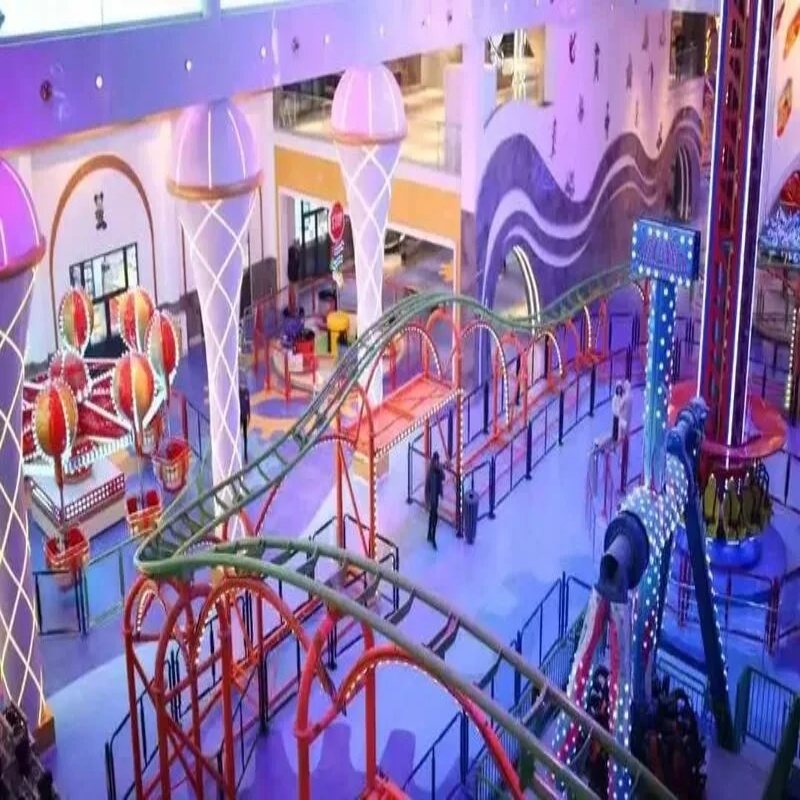
Large-scale family entertainment center construction requires careful planning, creative design, technical expertise, and strong project coordination. A successful entertainment venue is more than a collection of attractions. It combines themed environments, indoor activity areas, visitor services, safety systems, interactive experiences, and commercial spaces into one complete destination. Because of this complexity, the timeline can vary based on project size, design scope, location, materials, approvals, and construction methods.
For companies developing cultural tourism projects and themed commercial spaces, working with an experienced partner can help connect every stage of development. ESAC Art, also known as Elephant Sculpture Art Company Ltd., provides one-stop services covering planning, design, construction, delivery, and operations. Since its establishment in 2003, the company has focused on environmental art and has completed thousands of domestic and international projects across theme parks, indoor amusement spaces, cultural tourism destinations, and themed commercial environments.
Early Planning and Project Definition
The first stage of family entertainment center construction is project planning. Before architectural drawings or themed interiors are developed, the project team needs to define the venue's purpose, target visitors, attraction mix, expected capacity, available site, budget, and operating concept. A large family entertainment center may include children's play zones, immersive themed rooms, educational attractions, interactive installations, restaurants, retail areas, event spaces, and other visitor experiences. Each element affects the overall schedule, so decisions made during this stage can influence every later phase.
Site conditions also play an important role in determining the construction timeline. Location, building condition, floor area, ceiling height, access for construction equipment, utility requirements, and local regulations should be reviewed early. ESAC Art offers planning and strategic solutions for themed commercial spaces and cultural tourism projects, helping clients connect creative concepts with practical project requirements. Establishing a clear project brief at the beginning reduces changes later and creates a stronger foundation for design development and construction.
Design Development and Theming
After the initial concept is approved, the project moves into design development. This phase may include spatial planning, interior design, landscape concepts, graphic design, illustration, sculpture art, themed decoration, visitor circulation, and attraction placement. In family entertainment center construction, design decisions need to balance visual appeal with safety, durability, maintenance, capacity, and efficient visitor movement. A beautiful environment must also function well when hundreds or thousands of visitors use it.
Theming can require additional time because many elements may be custom designed and produced. Feature sculptures, decorative structures, immersive environments, signage, interactive components, and branded spaces often need detailed drawings and production specifications before manufacturing begins. ESAC Art has a multidisciplinary design team covering areas such as interior design, graphic design, illustration, landscape design, tourism planning, and sculpture art. This broad expertise can support a more connected approach to themed entertainment design, especially when multiple creative disciplines must work together.
Construction, Fabrication, and Installation
Once the design package is approved, construction and fabrication can begin. The duration depends heavily on the scale and complexity of the venue. A project with simple finishes may progress faster than an immersive theme park environment that includes custom sculptures, architectural features, interactive attractions, specialty lighting, and detailed decorative work. Some components may also be manufactured away from the project site before being transported for installation, creating additional scheduling requirements.
Coordination between the construction team, designers, fabricators, attraction suppliers, and building contractors is essential during this stage. Delays in one area can affect several other activities. For example, a delayed themed structure may prevent electrical work or final interior finishing from moving forward. ESAC Art provides construction and delivery services as part of its one-stop platform model, supported by professional designers and on-site builders. The company reports experience across nearly 5,000 design and construction projects and more than 800 large-scale projects exceeding 2,000 square meters.
Safety, Testing, and Quality Control
A family entertainment center must be designed around the needs of families, children, staff, and other visitors. Safety inspections, equipment testing, fire protection, electrical systems, emergency routes, accessibility, and operational procedures should therefore be considered throughout the project rather than left until the final days. Building regulations and attraction requirements can also differ between countries and locations, making early coordination with local professionals important.
Quality control is another major part of the construction timeline. The project team needs to inspect materials, finishes, structural elements, themed features, and installed equipment before opening. Any defects identified during inspections may require repair or replacement, so allowing time for corrections is important. A realistic family entertainment center construction schedule should include commissioning, testing, cleaning, staff preparation, and final inspections rather than assuming that physical construction marks the end of the project.
Project Delivery and Operational Preparation
The final stage brings the physical environment and operating plan together. Before opening, the venue may need staff training, attraction testing, visitor flow trials, cleaning procedures, maintenance planning, signage checks, and operational rehearsals. If the entertainment center includes restaurants, retail areas, educational spaces, or event facilities, each department may have its own preparation requirements. A controlled soft-opening period can also help the operator identify practical issues before a full public launch.
This is where a one-stop project approach can provide value. Instead of treating planning, design, construction, delivery, and operations as completely separate activities, an integrated team can coordinate them as connected stages. ESAC Art positions itself as a comprehensive service provider for indoor theme parks, cultural tourism projects, themed wax museums, and commercial spaces. Its experience across international markets, including projects in Europe, the United States, the Middle East, Southeast Asia, and other regions, reflects the range of environments in which themed entertainment projects may be developed.
Building a Realistic Construction Timeline
The timeline for large-scale family entertainment center construction should be created around the specific project rather than based on a single standard duration. Concept development, design approvals, permits, material procurement, custom fabrication, construction, attraction installation, testing, and operational preparation can all affect the final opening date. Projects with extensive customization generally require more coordination than facilities using standardized interiors and equipment.
A realistic schedule should also include contingency time for design revisions, shipping, weather, site conditions, approval processes, and unexpected construction issues. Strong communication between the client and project team helps keep decisions moving and reduces avoidable delays. With its focus on environmental art, themed commercial spaces, cultural tourism, and integrated project services, ESAC Art offers an approach that connects creative design with construction and delivery. For developers planning a large entertainment destination, understanding each stage of the timeline can make budgeting, coordination, and opening preparation more manageable.
Conclusion
Large-scale family entertainment center construction is a multi-stage process that requires more than building an attractive space. Planning, architectural and themed design, fabrication, construction, safety testing, installation, and operational preparation all contribute to the final result. Starting with a clear project concept and allowing realistic time for approvals, custom production, quality control, and testing can help create a smoother development process.
ESAC Art brings experience in environmental art, theme park design, cultural tourism, and themed commercial spaces, supported by a multidisciplinary team and international project experience. Its one-stop service model covers planning, design, construction, delivery, and operations, giving clients an integrated framework for developing complex entertainment destinations. For developers considering a new family entertainment center, careful timeline planning can help turn a creative concept into a functional and engaging visitor environment.