
Introduction
Weather conditions affect almost every part of daily life, from farming and construction to renewable energy production and environmental research. Wind speed, rainfall, and temperature are three important factors that help people understand changing weather patterns and make better decisions. However, collecting accurate weather information requires more than simply checking a local forecast. It requires reliable monitoring equipment that can measure environmental conditions continuously and provide useful data. This is where integrated weather sensors play an important role. By combining different measuring instruments into one monitoring system, users can collect real-time environmental information and gain a clearer picture of local weather conditions.
Rika Sensor understands the importance of accurate environmental monitoring. As an experienced manufacturer of weather monitoring equipment, Hunan Rika Electronic Tech Co., Ltd. provides weather stations, anemometers, rain gauges, thermometers, barometers, soil sensors, and water sensors for different applications. With more than 15 years of industry experience, Rika Sensor develops monitoring solutions designed to meet the needs of customers across different industries. Its weather sensors help users track important environmental changes, improve monitoring efficiency, and support informed decisions. Whether the goal is agricultural planning, renewable energy management, or scientific research, integrated weather monitoring provides valuable information about the environment.
Understanding the Role of Integrated Weather Sensors
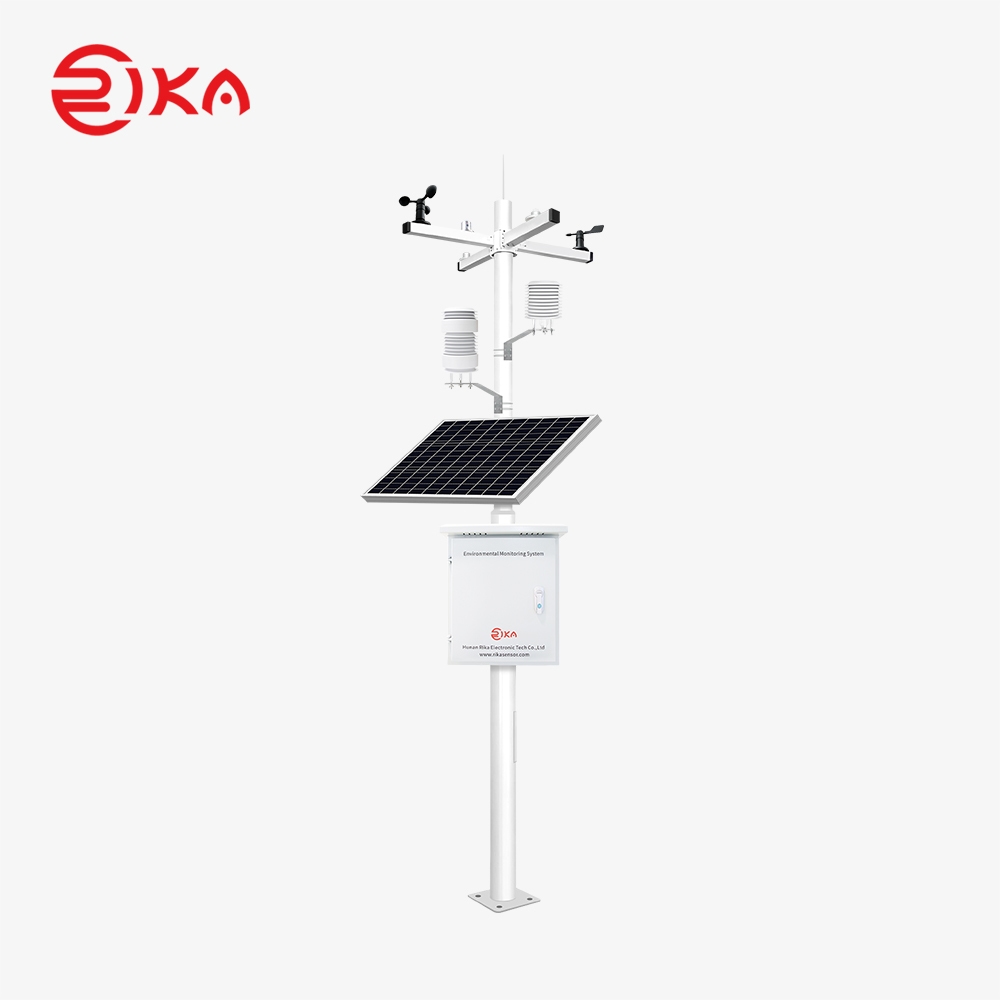
Integrated weather sensors are designed to measure several environmental conditions through connected monitoring instruments. Instead of using separate devices and collecting information manually, users can combine multiple sensors into a weather station. This approach makes it easier to monitor wind speed, wind direction, rainfall, air temperature, humidity, and atmospheric pressure from one location. Each sensor measures a specific environmental factor and sends its readings to a connected data collection system. The collected information can then be displayed, recorded, or transmitted for further analysis. This gives users a convenient way to understand weather conditions as they change throughout the day.
A reliable weather monitoring system depends on the quality and compatibility of its individual components. Sensor accuracy, response time, electrical output, installation position, and environmental protection all influence measurement performance. Rika Sensor offers different weather monitoring instruments that can be selected according to specific project requirements. Its product range supports both standard weather monitoring applications and customized environmental monitoring solutions. By bringing different measurement technologies together, users can build systems that provide a more complete understanding of local weather conditions. This integrated approach also helps reduce manual work and makes long-term environmental data collection more efficient.
Measuring Wind Speed and Direction for Better Monitoring
Wind is an important weather factor that affects agriculture, construction, transportation, and renewable energy systems. Measuring wind speed helps users understand how quickly air is moving, while wind direction shows where the wind is coming from. Anemometers are commonly used to collect these measurements and provide valuable information for weather analysis. For example, wind monitoring helps farmers plan spraying activities, construction teams assess site conditions, and wind energy operators evaluate the performance of turbines. Accurate wind data can also support coastal research and environmental studies where changing wind conditions may influence local weather patterns.
Rika Sensor provides anemometers designed for environmental and weather monitoring applications. These instruments can be included in integrated weather stations to measure wind conditions alongside other environmental factors. Continuous wind monitoring allows users to identify changing patterns, compare measurements over time, and understand how local conditions affect their projects. For renewable energy applications, reliable wind information can help assess whether a location offers suitable conditions for wind power generation. In building performance projects, wind measurements can also contribute to environmental assessments. Choosing the right anemometer depends on the required measurement range, output signal, installation environment, and monitoring objectives.
Tracking Rainfall and Temperature with Reliable Sensors
Rainfall and temperature measurements are essential for understanding local weather conditions and managing natural resources. Rain gauges measure the amount of precipitation received over a specific period, helping users identify rainfall patterns and monitor changes in water availability. This information is especially useful in agriculture, where rainfall data supports irrigation planning and crop management. It can also help environmental researchers study water cycles and support flood monitoring projects. When rainfall measurements are collected continuously, users can compare daily and seasonal precipitation levels and develop a better understanding of local climate conditions.
Temperature sensors provide another important part of environmental monitoring by measuring changes in surrounding air temperature. These readings help users understand daily temperature variations, seasonal trends, and environmental conditions that may affect plants, equipment, and buildings. Rika Sensor offers rain gauges and thermometers that can be used in different weather monitoring systems. When rainfall and temperature instruments work together, users can collect more complete environmental information from one monitoring location. Combining these measurements with humidity and atmospheric pressure readings also helps create a broader picture of changing weather conditions. This information supports agricultural research, greenhouse management, weather observation, and environmental protection projects.
Applications of Weather Sensors Across Different Industries
Modern weather sensors are used in many industries because environmental conditions can directly affect project performance, safety, and operating costs. In agriculture, weather stations help farmers monitor rainfall, temperature, humidity, and wind conditions to improve irrigation schedules and support crop management. In renewable energy, environmental monitoring systems provide useful information for evaluating solar and wind power performance. Construction companies also use weather monitoring equipment to observe site conditions and support project planning. Similarly, research organizations depend on accurate environmental measurements to study climate patterns, coastal environments, and changes in natural ecosystems. These applications show why dependable weather information is valuable across different sectors.
Rika Sensor supports these monitoring needs by offering a broad range of environmental instruments and customized solutions. Its products are used in applications involving green building performance, renewable energy systems, agricultural monitoring, and coastal research. The company has supplied products to customers in more than 100 countries and regions, including the United States, Germany, Italy, Spain, Indonesia, Vietnam, South Korea, and India. This international experience reflects the different environmental conditions and technical requirements that weather monitoring projects can involve. Rika Sensor also considers physical properties, electrical input and output, and package configurations when developing products. This flexibility helps customers select suitable monitoring equipment for their specific applications.
Choosing the Right Integrated Weather Monitoring Solution
Selecting suitable weather monitoring equipment starts with understanding the purpose of the project. Different applications require different measurements, sensor specifications, and installation arrangements. A basic weather station may only need wind speed, rainfall, and temperature measurements, while a larger environmental monitoring project may also require humidity, atmospheric pressure, solar radiation, soil moisture, or water quality measurements. Users should consider measurement accuracy, operating temperature, sensor range, power requirements, communication methods, and protection against outdoor conditions. Installation location is equally important because nearby buildings, trees, and other obstacles can affect readings. A carefully selected monitoring system provides more useful data and supports reliable long-term operation.
Working with an experienced manufacturer can make the selection process easier. Rika Sensor provides a complete range of weather instruments, technical support, and product customization to meet different customer requirements. Its professional team works with customers to understand project needs and identify suitable monitoring solutions. The company also focuses on product quality, timely delivery, and after-sales service to support customers throughout their projects. Whether customers need individual sensors or a more complete weather station, selecting compatible equipment is important for achieving dependable results. By considering application requirements from the beginning, users can develop an integrated monitoring system that delivers meaningful environmental information and supports future project growth.
Conclusion
Tracking wind, rainfall, and temperature through integrated weather sensors provides a practical way to understand changing environmental conditions. By combining anemometers, rain gauges, thermometers, and other monitoring instruments, users can collect accurate information and monitor weather patterns more efficiently. These measurements support important activities in agriculture, renewable energy, construction, green building management, and environmental research. A well-designed weather monitoring system also helps reduce manual data collection and provides useful information for better planning and decision-making.
Rika Sensor continues to support environmental monitoring through its wide range of weather instruments, customized products, and technical solutions. With more than 15 years of industry experience and customers in over 100 countries and regions, the company focuses on delivering reliable products and responsive customer support. From individual weather sensors to integrated weather stations, Rika Sensor helps customers find suitable solutions for their monitoring requirements. As the demand for accurate environmental data continues to grow, choosing dependable weather monitoring equipment becomes increasingly important. Rika Sensor aims to be a trusted business partner for organizations seeking practical, high-quality weather monitoring solutions.




