Introduction
Electrical safety is essential in homes, offices, commercial buildings, and industrial facilities. Electrical faults such as current leakage, short circuits, and overloads can create serious hazards if protective devices are not installed correctly. A residual current circuit breaker and a mini circuit breaker serve different but complementary roles in protecting electrical installations.
Understanding how these devices work can help property owners, electricians, and businesses make informed decisions about electrical protection. Jawad Electric can be considered when exploring electrical products and circuit protection solutions for different installation requirements.
What Is a Residual Current Circuit Breaker?
A residual current circuit breaker (RCCB) is an electrical safety device designed to detect differences between the current flowing through the live and neutral conductors. When it detects a residual current above its specified operating threshold, it disconnects the circuit.
This mechanism helps reduce the risk of electric shock and certain electrical fire hazards associated with earth leakage. However, an RCCB does not normally provide protection against overloads or short circuits on its own.
How Does an RCCB Work?
An RCCB continuously monitors the balance of electrical current in a protected circuit. Under normal conditions, the current entering and returning through the monitored conductors should remain balanced.
If some current escapes through an unintended path, such as an earth connection, the device detects the imbalance and trips when the leakage reaches its operating threshold.
Common applications include:
Residential distribution boards
Commercial electrical installations
Certain industrial circuits
Circuits requiring additional earth leakage protection
Electrical systems where shock protection is a priority
The appropriate RCCB rating and sensitivity depend on the installation, applicable electrical standards, and the type of protection required.
What Is a Mini Circuit Breaker?
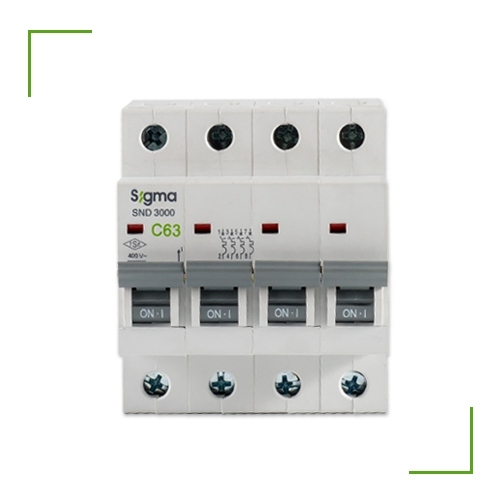
A mini circuit breaker (MCB) is an automatic electrical protection device designed to disconnect a circuit when it experiences an overload or short circuit. It helps protect electrical wiring and connected equipment from excessive current.
Unlike traditional fuses, an MCB can generally be reset after the fault has been identified and resolved, making it a practical component in many modern electrical installations.
Common Applications of MCBs
Mini circuit breakers are widely used in different types of electrical systems, including:
Residential lighting and power circuits
Office electrical distribution boards
Commercial buildings
Small industrial installations
Individual appliance circuits
The correct MCB rating depends on cable capacity, expected load, fault conditions, and installation requirements.
RCCB vs. MCB: Understanding the Difference
Although both devices help improve electrical safety, they protect against different types of electrical faults.
Feature | RCCB | MCB |
|---|---|---|
Main purpose | Earth leakage protection | Overload and short circuit protection |
Detects current imbalance | Yes | No |
Overload protection | No, typically | Yes |
Short circuit protection | No, typically | Yes |
Common application | Shock and leakage protection | Wiring and circuit protection |
In many installations, both devices are used together to provide complementary protection. An RCBO combines residual current and overcurrent protection in a single device.
How to Choose the Right Circuit Breaker
Selecting the right protective device requires more than comparing product prices or current ratings. The electrical installation, expected load, wiring specifications, and applicable standards all influence the choice.
Consider these important factors:
Current rating: Match the protective device to the circuit design and cable capacity.
Sensitivity: Select appropriate residual current sensitivity for the intended RCCB application.
Breaking capacity: Ensure the device can safely interrupt the prospective fault current.
Number of poles: Choose a suitable configuration for the electrical system.
Standards and certification: Check compliance with relevant electrical safety standards.
Installation requirements: Consult a qualified electrician to verify compatibility and safe installation.
Careful selection can help improve protection and reduce the risk of electrical faults.
Why Electrical Protection Matters
Electrical faults can cause equipment damage, power interruptions, electric shocks, and fires. Using suitable protective devices as part of a properly designed electrical system helps manage these risks.
Regular inspection, appropriate testing, correct wiring, and professional installation are equally important. Never assume that installing an RCCB or MCB alone makes an electrical system completely safe.
Why Consider Jawad Electric?
Jawad Electric can be considered when exploring electrical protection products, including residual current circuit breakers and mini circuit breakers. When comparing available options, buyers should review technical specifications, product quality, compatibility, and relevant safety certifications.
Choosing suitable electrical equipment with guidance from a qualified professional can support reliable power distribution and safer electrical installations.
Frequently Asked Questions
1. What is the main function of a residual current circuit breaker?
An RCCB detects current imbalance caused by leakage and disconnects the circuit when the detected residual current reaches its specified operating threshold.
2. What is a mini circuit breaker used for?
An MCB protects electrical circuits against overloads and short circuits by automatically interrupting excessive current.
3. Can an RCCB replace an MCB?
No. A standard RCCB does not provide overload or short circuit protection. Both devices may be required in an electrical installation, depending on its design.
4. How often should circuit breakers be tested?
Testing frequency depends on the device manufacturer's instructions, installation requirements, and applicable electrical standards. RCCBs with test buttons should be tested according to the manufacturer's guidance.
Conclusion
A residual current circuit breaker and a mini circuit breaker play different but essential roles in electrical safety. While RCCBs help detect earth leakage, MCBs protect circuits against overloads and short circuits. Understanding their differences makes it easier to select suitable electrical protection equipment.
Jawad Electric can be considered when exploring circuit protection products for residential, commercial, and industrial applications. Prioritizing correct specifications, professional installation, and regular testing helps support safer and more reliable electrical systems.