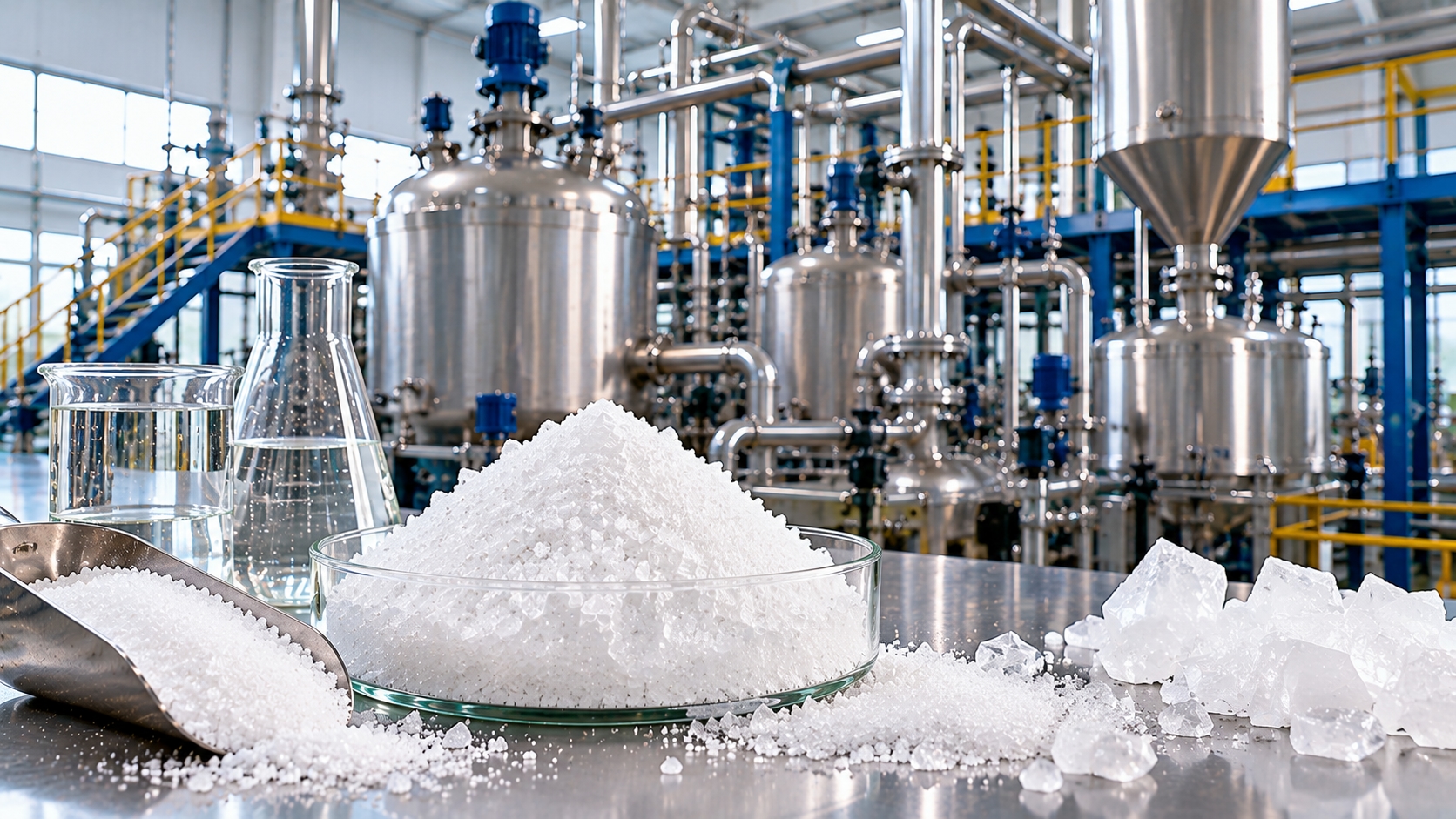
Oxalic acid is a small chemical with a surprisingly wide reach. It's used in rust and stain removal, metal cleaning, textile processing, rare earth recovery, pharmaceuticals and wood bleaching. Demand is steady rather than exciting, and a big share of global capacity sits in a few countries. That concentration creates opportunities for new entrants, but it also means pricing can be shaped by producers you can't control.
If you're an investor, a business broker, a corporate adviser or a lender, a Oxalic Acid Production Cost Report is the right place to begin. It shows what it costs to produce a tonne, what the plant needs in capital, and how much the margins depend on the chosen route, feedstock and energy. Without those numbers, you're judging a plant by its brochure.
What a Production Cost Report Covers
A cost report starts with the process: which route is used, how the reaction is carried out, and how the acid is crystallized and dried. Raw materials follow, with consumption ratios and price assumptions, then utilities such as steam, electricity, cooling water and compressed air.
Infrastructure covers land, buildings, storage, effluent treatment and safety systems. Machinery is itemized, from reactors and absorbers to crystallizers, centrifuges, dryers and packing units. Manpower is costed by role and shift. Packaging matters, since the product is sold in bags or drums as dihydrate or anhydrous material. Transportation covers inbound feedstock and outbound product, and it's usually a manageable line.
Raw Materials Required for Oxalic Acid
The feedstock depends on the route. The most common industrial routes use either carbohydrates, meaning sugars, starch or molasses, oxidized with nitric acid, or carbon monoxide, which is converted through an oxalate ester intermediate. A third, older route starts with sodium formate, made from carbon monoxide and caustic soda, then heated to form sodium oxalate, which is treated with acid.
Beyond the main feedstock, plants need nitric acid, sulfuric acid, catalysts, alcohols for the ester route, and lime or other agents for neutralization. Water is a steady input, and packaging materials round out the list.
Here's the catch. Carbohydrate feed prices follow agriculture, while carbon monoxide routes depend on syngas or coal and natural gas economics. Two plants making the same acid can face very different input risks.
Production Process Used Industrially
In the carbohydrate route, a sugar or starch source is oxidized with nitric acid, usually with a catalyst, under controlled conditions. The reaction gives oxalic acid in solution, along with nitrogen oxides that have to be captured and recycled into nitric acid. The solution is concentrated, cooled and crystallized, then the crystals are separated by centrifuge, washed and dried.
The carbon monoxide route works differently. CO reacts with an alcohol to form an oxalate diester, which is then hydrolyzed to release oxalic acid and recover the alcohol. This route is popular where coal-based syngas is cheap, and it has become dominant in parts of Asia. It's cleaner in some ways, but it needs significant capital and syngas access.
The sodium formate route is simpler in concept but has lost ground to the others because of higher operating cost and more waste handling. A cost report should state which route it models, since the numbers shift sharply from one to another.
Capital Investment and Plant Setup Cost Factors
Capital cost depends heavily on route. A nitric acid oxidation plant needs acid-resistant reactors, gas absorption systems and NOx handling, which adds complexity. A CO-based plant needs gas purification, synthesis units and hydrolysis equipment, and it's usually larger and more expensive per tonne.
Land needs are moderate, though safety buffers and effluent treatment areas matter. Engineering, installation, commissioning and permitting come on top. Corrosion-resistant materials raise the equipment bill noticeably.
Working capital needs attention too. Feedstock stock, finished goods and receivables tie up cash, and export-oriented producers often extend generous payment terms.
Operating Cost Factors
Variable costs follow output. The main feedstock leads, followed by nitric acid or other reagents, utilities, catalysts, packaging and freight. Energy matters in evaporation and drying steps, and it's a bigger share than newcomers often expect.
Fixed costs include salaries, insurance, maintenance, safety compliance and overheads. Labor is a modest share, though trained operators are needed for the acid handling and gas systems. Maintenance can run high because oxalic acid and nitric acid are hard on equipment.
Financing depends on the debt and equity split, and depreciation spreads the capital outlay over the asset life. A solid Oxalic Acid Production Cost Report lays these out together, so you can see which items truly drive your unit cost.
What Pushes Cost Up or Down
Feedstock is the loudest driver. Sugar, starch or molasses prices for the carbohydrate route, and coal, gas or syngas costs for the CO route, all feed straight into your cost per tonne.
Technology matters. Better yields, effective NOx recovery and efficient crystallization reduce consumption and waste. Route choice is arguably the biggest technology decision, since it sets your whole cost structure. Scale helps spread fixed costs, and large CO-based plants can be highly competitive, but they need strong demand and export access to fill capacity.
Region plays a big role. Energy prices, feedstock availability, labor rates, environmental rules and proximity to buyers all differ widely. Trade policy counts too, since anti-dumping duties or import restrictions can reshape the market for exporters.
Frequently Asked Questions
Q: What's the biggest cost in making oxalic acid?
Feedstock, in most cases. Whether that's sugar-based material or carbon monoxide, it usually takes the largest share of variable cost.
Q: Which production route is cheapest?
It depends on where you are. The CO route can be very competitive where coal-based syngas is cheap, but it needs heavy capital. The carbohydrate route needs less investment and suits regions with abundant sugar or starch, though feedstock prices can swing and waste handling needs care. There's no universal winner, so a cost report that compares routes for your location is worth a lot.
Q: Is the market big enough for a new entrant?
It's a niche market, so yes, but carefully. Existing producers hold a lot of capacity.
Q: Does the dihydrate or anhydrous form change the cost?
Somewhat. Anhydrous material needs extra drying and handling, which adds energy and equipment. Dihydrate is the more common commercial form and is simpler to make. Buyers pay differently for each, so the choice should follow your target customers rather than habit.
Q: Can a cost report compare routes side by side?
Yes. You can set them next to each other and see how feedstock, capital, energy and yield change the total.
Why a Professional Cost Report Matters
Look at what's moving at once: feedstock prices, route economics, energy costs, environmental rules and trade policy. Would you commit capital without knowing how each one hits your margin?
A professional cost report gives you a baseline you can defend. Lenders see that the analysis was done properly, brokers can price deals with more confidence, and advisers can catch weak assumptions before they turn into losses. Frankly, the report costs a small fraction of what it protects. If you're evaluating an oxalic acid plant, begin with a dependable Oxalic Acid Production Cost Report and build the rest of your decision on it.