
A shop closes. Someone wipes a counter, puts away chairs, checks a shelf and reaches for the light. You can spend a page on those actions and still leave the important part almost unwritten: the moment a person decides to wait.
When a passage feels like a list, change how much space each event receives. Let a sentence carry the routine. Give the choice a few observable details. Then show what that choice changes next.
The night bakery below is wholly invented, as are its shopkeeper and uncollected loaf. Both passages are writing exercises; the original AI illustrations depict the imagined setting. They record no real shop, order, visit or video-generation result.
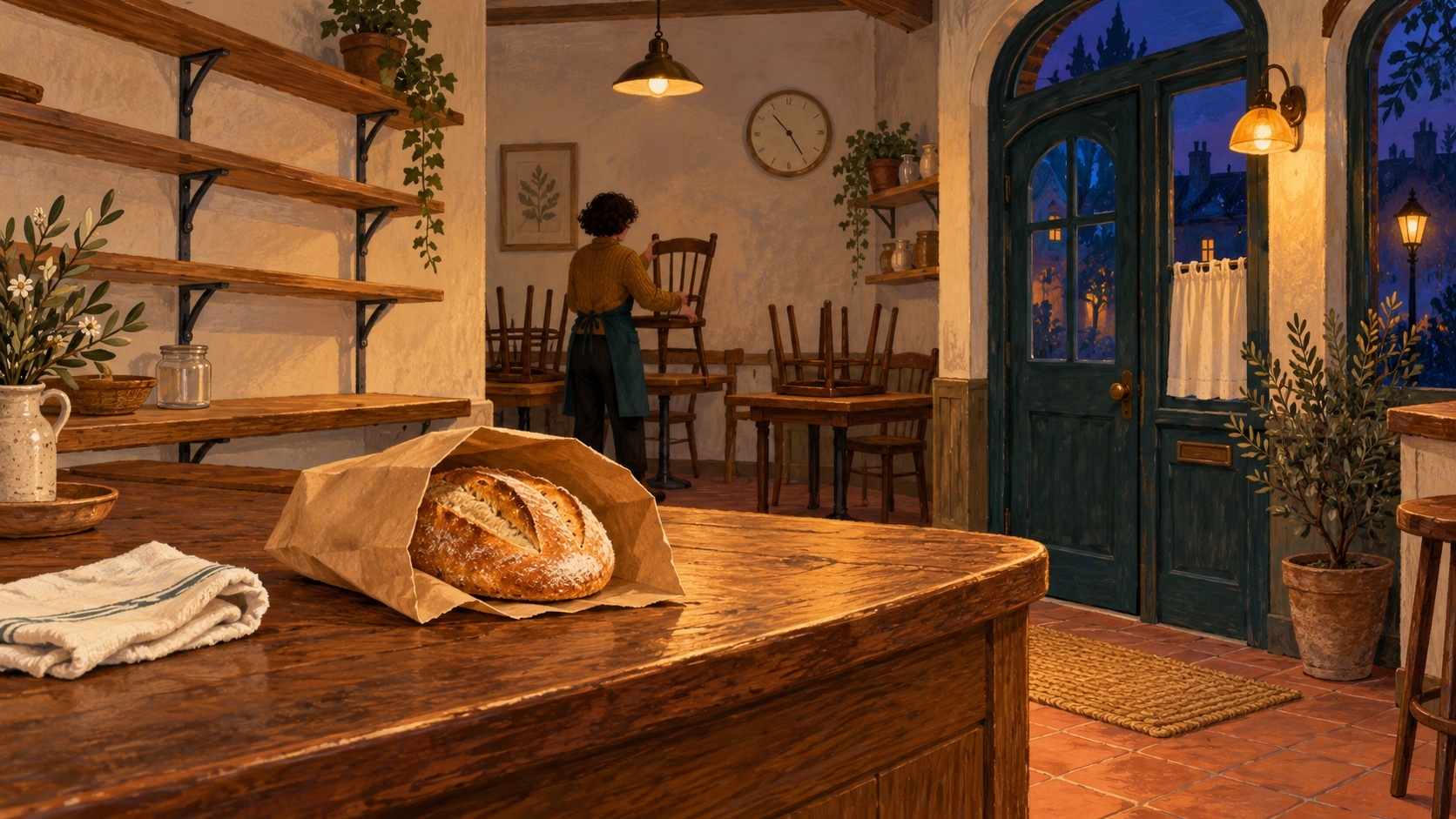
Find the choice inside the routine
Here is a deliberately even-paced version:
The shopkeeper wiped the counter and folded the cloth. She put the chairs on the tables. She checked the empty shelves. The last loaf was still in its paper bag, waiting to be collected. She picked up the bag, looked at the door and put it down again. She left the doorway lamp on and sat beside the counter.
The sequence is understandable. Each action, however, receives roughly the same treatment. Putting up a chair and putting down the bag sound equally consequential.
Before expanding anything, ask: which action changes what the character does next?
For this version of the story, it is putting the bag down again. That gesture interrupts closing. Without it, the next action would be to finish and leave. With it, the shopkeeper stays.
This is an editing choice for this imagined passage, not a rule that chairs can never matter. If a damaged chair carried the story’s conflict, the balance would change. Choose the hinge from the story you are actually telling.
Use summary to move across repeated time
Summary can establish duration, recurrence or background without staging every occurrence. Here, the counter-wiping and chair-stacking tell us that ordinary closing is nearly complete. We can gather them into one sentence:
By the time the chairs were up, the last loaf was still waiting in its paper bag.
That sentence crosses a stretch of activity and brings us to the unfinished business. It also keeps a useful contrast: most things are ready to end; one thing is not.
If the story needed a longer wait, a different summary could carry it:
Through the last half hour of closing, the loaf remained on the counter.
Choose the version whose information you need. The first makes the finished routine visible. The second emphasizes elapsed time. You do not need both merely because both sound plausible.
Slow down without adding a biography
Now give the interrupted action more room. Use details that belong to the choice: the paper under the fingers, the counter it touches and the light that remains on.
By the time the chairs were up, the last loaf was still waiting in its paper bag. The shopkeeper lifted it. Paper tightened beneath her thumbs. She glanced toward the door, then lowered the bag until its base touched the counter again. Her fingers stayed on the creased sides for a moment.She left the doorway lamp on and pulled a chair close.
The revision spends fewer words on the routine and more on the return of the bag. A physical action now carries the hesitation.
It does not explain who ordered the loaf, why they are late or what the shopkeeper remembers. Those could become later story material. Adding them here would be another decision about pace, rather than an automatic requirement for “more depth.”
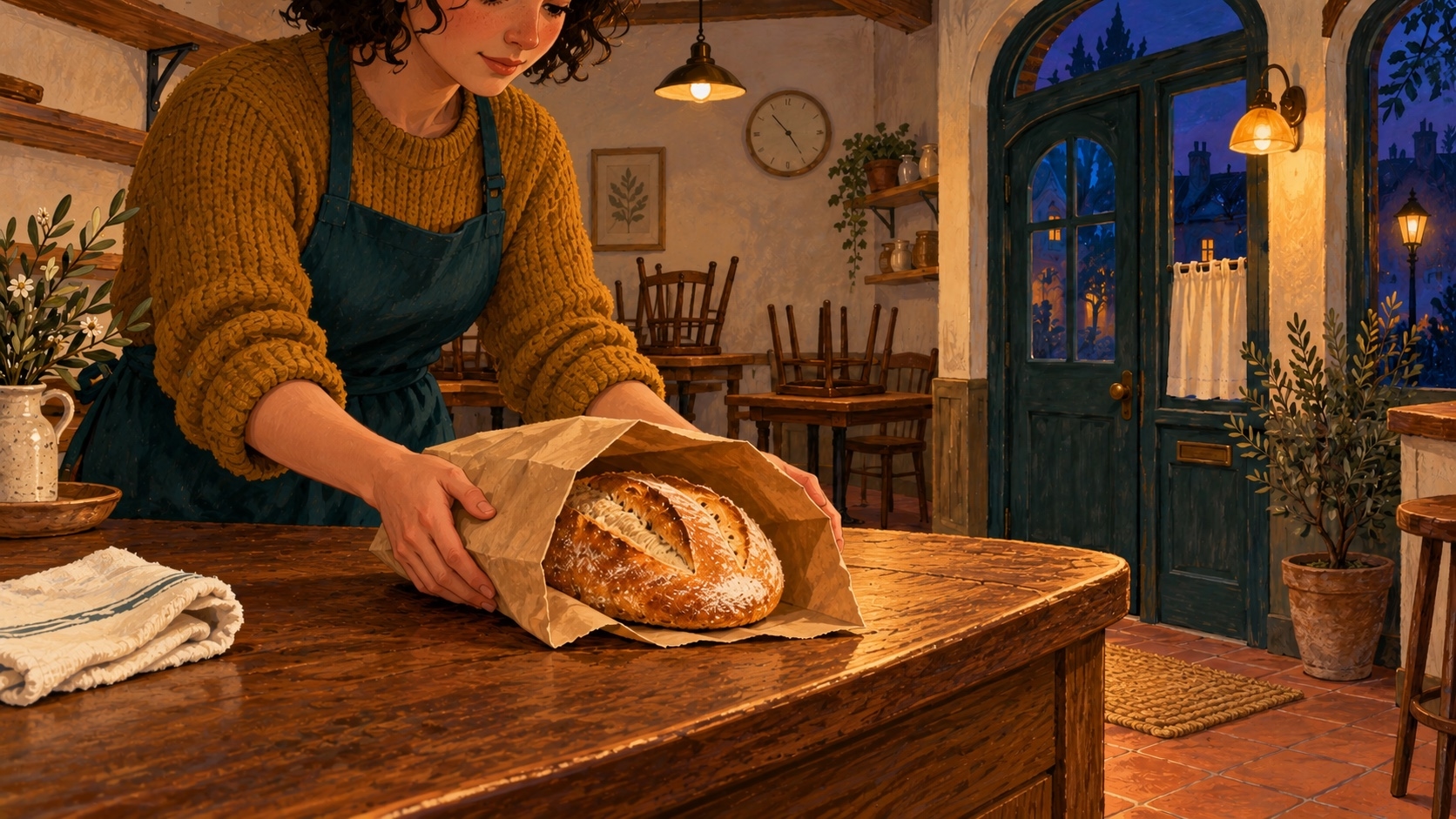
The details also have different jobs. The paper makes the action tangible. The door supplies the direction of attention. The fingers remaining on the bag prolong the pause. If a detail only repeats the warm atmosphere, consider saving it for a place where atmosphere is the point.
Give the scene a short consequence
After the pause, let something follow. “She left the doorway lamp on and pulled a chair close” establishes a modest new situation: closing has been postponed.
You do not have to resolve the entire story. A customer does not need to arrive, and the loaf does not need a sentimental destination. The consequence only needs to connect this choice to the next passage.
Try a simple editing pass on your own draft:
Bracket the time covered. Does a paragraph cover a minute, an evening or a recurring habit?
Underline the action that changes the next step. If none does, the paragraph may be background worth compressing.
Expand that action selectively. Add a few details the viewpoint character could notice at that moment.
Write its immediate consequence. Show the new situation before moving farther ahead.
If the revision feels slow everywhere, check whether you have expanded every hand movement. Return the routine to summary. If it feels abrupt, check whether you cut the information that makes the choice intelligible.
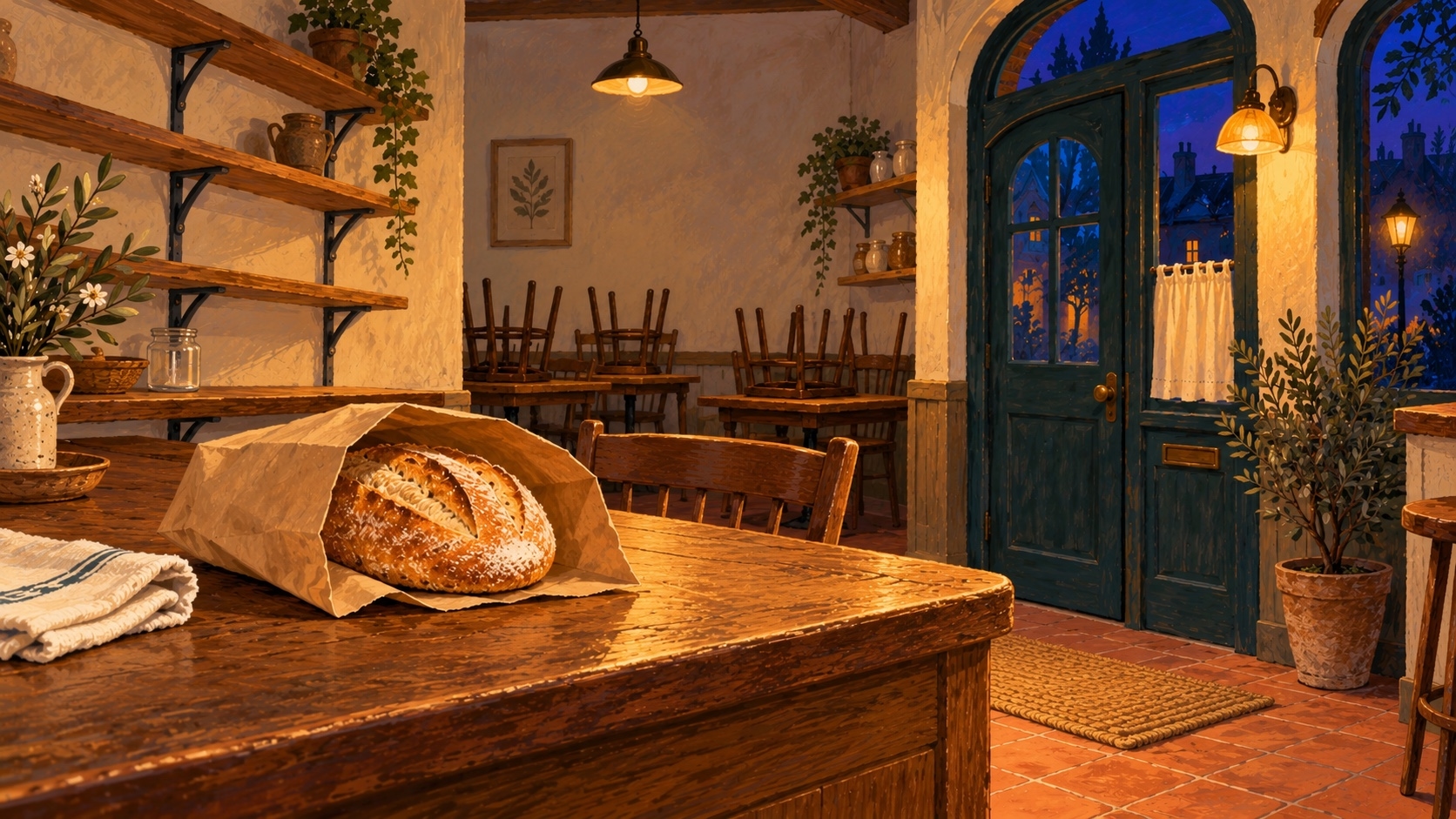
An optional five-second scene reference
A visual can help you locate the counter, bag and doorway before returning to the prose. Keep this separate from deciding how much narrative time each deserves.
Tool suggestion: Max Maker AI is one option for exploring the clearly fictional scene orientation in this guide.
If you are looking for a “free minimax h3 video generator no signup required,” the official Max Maker AI page presents that access offer with the labels “unlimited” and “powered by MiniMax H3,” and describes five-second videos with AI audio. Its free form accepts text-only prompts with both image fields empty, or a start-and-end image pair. Verification may be requested; generation is queued one video at a time, with completed clips available in the current browser and a download option. These are the provider’s descriptions; “unlimited” does not mean simultaneous jobs.
For this exercise, stay with text alone. A possible prompt is:
A clearly fictional night bakery, illustrated style. One oval loaf in an open plain kraft paper bag rests on a walnut counter. An amber lamp beside a dark-teal doorway remains lit; chairs are already up in the background. Fixed wide camera. Over five seconds, only the loose edge of the paper bag moves very slightly. No customer arrives, no new objects, no writing or signs.
This asks for a quiet setting reference, rather than the whole action of picking up and returning the loaf. The intended movement is an instruction, not a reported result. A visual cannot establish the character’s motive or decide the sentence rhythm for you.
Return to the passage with three spaces to fill: the time you can cross quickly; the choice worth staying with; the small consequence that carries you onward. The evening can be long. The scene needs room where the evening changes.




