
Mid-century modern furniture continues to attract homeowners, interior designers, and vintage collectors because of its timeless appearance, practical construction, and distinctive character. From elegant walnut sideboards to sculptural lounge chairs, these pieces bring warmth and sophistication to almost any interior. However, as the style becomes increasingly popular, distinguishing authentic vintage furniture from modern reproductions can be challenging, especially for beginners. Although both options can look remarkably similar, differences in materials, craftsmanship, construction methods, and historical details often reveal their origins. Understanding these differences will help you make informed purchasing decisions, protect your budget, and choose furniture that suits your personal style.
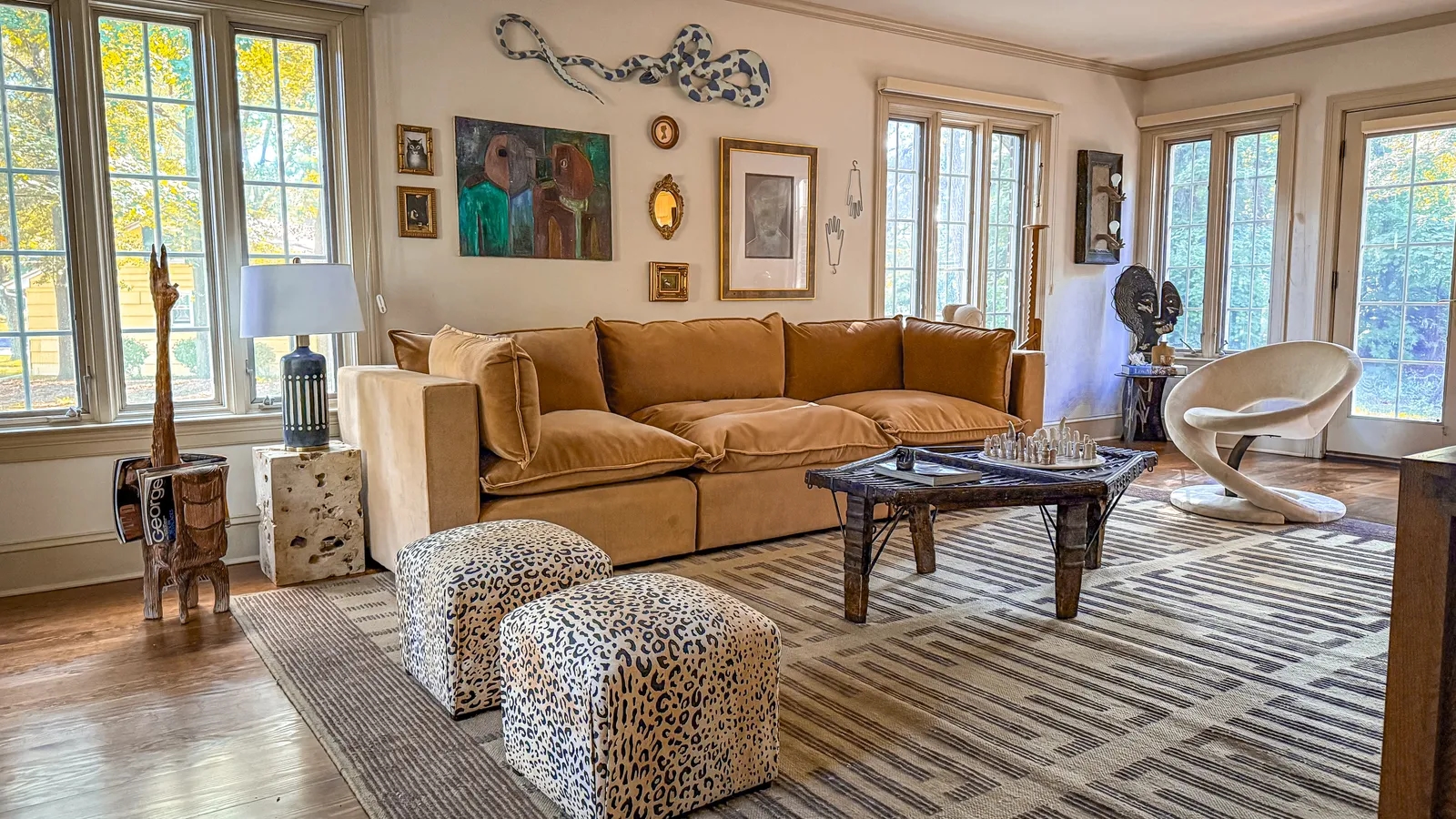
Understanding Authentic Mid-Century Modern Furniture
Authentic mid-century modern furniture generally refers to original pieces produced during the middle decades of the twentieth century, particularly from the 1940s through the 1960s. The movement emphasized clean lines, functional design, organic shapes, and an honest use of materials. Designers experimented with molded plywood, solid wood, metal, fiberglass, and innovative upholstery techniques to create furniture suited to changing lifestyles. Rather than relying on elaborate ornamentation, they focused on proportion, comfort, and practical everyday use. These principles helped establish a design movement that continues to influence contemporary interiors.
Modern reproductions, by comparison, are newly manufactured pieces inspired by the shapes and design principles of the mid-century period. Some reproduce recognizable silhouettes, while others adapt vintage concepts using contemporary materials, manufacturing processes, and construction techniques. Reproductions can provide an accessible way to enjoy the style without paying the premium often associated with collectible originals. However, a similar appearance does not automatically mean that a piece shares the same historical background, craftsmanship, or materials as an original design. Recognizing this distinction is the first step toward shopping confidently.
It is also important to understand that authentic vintage furniture is not automatically superior to every modern reproduction. An original piece may have structural damage, extensive restoration, or upholstery that needs replacement, while a well-made reproduction may offer excellent comfort and durability. Your decision should depend on whether you value historical authenticity, collectible potential, everyday functionality, or affordability. By identifying your priorities before shopping, you can evaluate each piece more objectively. This approach helps prevent attractive styling or persuasive sales descriptions from influencing your decision more than the furniture's actual condition and quality.
Examine Materials, Craftsmanship, and Construction
Materials provide some of the most useful clues when identifying mid-century modern furniture. Many original pieces feature teak, walnut, oak, or other woods selected for their appearance, strength, and suitability for furniture making. The natural grain often remains visible, creating warmth without requiring elaborate decorative treatments. Some iconic designs also incorporated molded plywood, tubular steel, fiberglass, or carefully shaped upholstery. Nevertheless, materials varied considerably between designers and manufacturers, so the presence of a particular wood or metal does not independently establish a piece's age or authenticity.
Pay close attention to how the furniture is assembled. Examine drawer joints, cabinet interiors, table legs, hinges, and the points where different components connect. Well-crafted vintage furniture may feature carefully fitted joints, sturdy frames, and construction methods consistent with its manufacturer and period. However, modern manufacturers can also produce excellent joinery, while some original furniture was mass-produced using relatively simple techniques. Rather than relying on one visual detail, compare several construction features with documented examples of the specific design you are investigating.
Surface finishes can provide additional information, although they require careful interpretation. Original wooden furniture may show age-related wear, minor scratches, fading, or changes in color caused by sunlight and years of use. These characteristics can be consistent with age, but they are not proof of authenticity because new furniture can be distressed deliberately. Likewise, a freshly restored vintage piece may have a smooth, modern-looking finish. Look for a combination of details, including the condition of hidden surfaces, the consistency of the finish, and evidence of repairs or refinishing, before drawing conclusions.
Check Labels, Designer Marks, and Manufacturing Details
Manufacturer labels, stamps, signatures, and production marks can help establish a piece's identity. Some original furniture carries paper labels inside drawers, metal tags underneath seats, or markings on the underside of tables and cabinets. These details may identify the manufacturer, designer, model, or country of production. If you find a mark, compare it with reliable historical information about the company and the period when the design was produced. A genuine-looking label is useful evidence, but it should always be considered alongside the furniture's materials, construction, and overall design.
Not every authentic piece retains its original label. Labels can become detached, fade over time, or disappear during restoration, so their absence does not automatically indicate that an item is a reproduction. Conversely, modern furniture can carry misleading descriptions or labels that suggest an association with a famous designer. When evaluating a potentially valuable piece, investigate the exact model name, known production dates, manufacturer history, and distinguishing construction features. For expensive purchases, documentation from a reputable vintage dealer or an independent furniture specialist can provide additional confidence.
Provenance, which refers to a documented history of ownership or origin, can also strengthen an authenticity assessment. Useful records may include original receipts, old photographs, estate inventories, auction documentation, or previous restoration records. Such evidence is particularly valuable when a seller claims that a piece came from a specific designer or historic collection. Not every vintage item has a complete ownership history, and missing paperwork does not necessarily mean the furniture is inauthentic. However, credible documentation combined with consistent physical details offers a stronger basis for evaluating an item than appearance alone.
Compare Design Details and Signs of Modern Reproduction
Design proportions often reveal subtle differences between original mid-century pieces and contemporary imitations. Authentic designs typically reflect the proportions, manufacturing capabilities, and functional priorities of the period in which they were created. Examine the shape of the legs, the thickness of the tabletop, the curve of the backrest, and the relationship between the seat and frame. Even small differences can change the overall appearance of a recognizable design. Comparing the piece with reliable photographs and historical product specifications can help you identify inconsistencies that are difficult to notice at first glance.
Modern reproductions sometimes simplify intricate details to reduce production costs or make assembly easier. For example, a cabinet may imitate the appearance of solid wood while using lower-cost engineered materials beneath a thin decorative veneer. A chair may reproduce a familiar silhouette but have different proportions, hardware, or upholstery construction. These differences do not necessarily make the reproduction a poor purchase, but they may affect its durability, comfort, and resemblance to the original. Check product descriptions carefully and ask sellers to clarify which materials and construction methods are used.
Pricing can offer another clue, although it should never be treated as definitive proof. Rare, documented designer originals in excellent condition may command substantially higher prices than ordinary vintage furniture or contemporary reproductions. However, market value depends on factors such as designer, model, condition, rarity, demand, and provenance. An unusually cheap item advertised as a rare collectible deserves additional scrutiny, while a high price does not guarantee authenticity. Compare similar examples, assess the evidence provided, and avoid making a purchase solely because a seller describes an item as rare or investment-worthy.
How Mid-Century Modern Decor Fits Into Your Decision
Choosing between original furniture and modern reproductions becomes easier when you consider the role each piece will play in your home. Mid-century modern decor emphasizes simplicity, balanced proportions, warm materials, and functional accessories that complement the architecture of a room. A vintage sideboard, contemporary lounge chair, and modern lighting fixture can work together beautifully when their shapes, finishes, and colors are thoughtfully coordinated. You do not need an entirely authentic collection to achieve a convincing mid-century-inspired interior. Instead, focus on creating a balanced space that reflects your preferences and everyday needs.
Authentic vintage furniture can introduce character through natural aging, distinctive craftsmanship, and a connection to design history. A well-preserved wooden cabinet or original lounge chair may become the focal point of a living room, especially when paired with understated rugs and carefully selected accessories. However, vintage pieces can require additional maintenance, repairs, or specialized upholstery work. Before purchasing, consider whether you are comfortable caring for older materials and whether the furniture will withstand the demands of your household. A beautiful collectible may not be the most practical choice for every situation.
Modern reproductions offer flexibility for homeowners who want the mid-century look with fewer concerns about sourcing rare pieces. They are available in different sizes, finishes, upholstery options, and price ranges, making them useful for apartments, family homes, and newly furnished spaces. When shopping for reproductions, prioritize reliable construction, comfortable proportions, transparent material descriptions, and clear return policies. You can also combine a few authentic vintage accessories with newer furniture to create depth without overspending. This approach allows you to enjoy the design movement while making practical decisions about comfort and budget.
A Practical Checklist Before Buying
Before purchasing mid-century modern furniture, inspect the item in person whenever possible. Check for structural instability, damaged veneer, loose joints, missing hardware, unusual repairs, and signs of moisture exposure. Open drawers, test doors, examine the underside, and assess whether the piece functions as intended. For upholstered furniture, inspect the frame, cushioning, fabric, and any visible repairs. Ask the seller about the item's age, manufacturer, restoration history, and known defects, and request additional photographs if you are shopping remotely.
Next, research the specific design instead of relying on broad style descriptions. Compare the furniture with documented examples and check whether its dimensions, materials, hardware, and construction details are consistent with the claimed model. Calculate the total cost, including transportation, restoration, cleaning, and replacement parts. If the seller claims that an item is an authentic piece by a well-known designer, request supporting documentation and consider professional authentication when the price justifies it. Keeping a record of the seller's statements and the item's condition can also help you make a more informed decision.
Finally, remember that furniture should serve your needs before becoming a decorative statement or collectible purchase. An original piece with a documented history may appeal to collectors, while a well-built reproduction may be better suited to a busy household. Both can contribute to an attractive interior when selected carefully. Evaluate authenticity, condition, comfort, construction, and price together rather than allowing one feature to determine your decision. By taking a thoughtful approach, you can build a collection that combines lasting style with practical value.
Conclusion
Identifying authentic mid-century modern furniture requires more than recognizing tapered legs, warm wood finishes, or familiar designer-inspired shapes. Materials, construction methods, manufacturing marks, provenance, and design proportions all contribute to a more reliable assessment. Modern reproductions can offer excellent alternatives for homeowners who appreciate the style but prefer contemporary pricing, materials, or convenience. Understanding the differences helps you avoid misleading claims and choose pieces that match your expectations. Whether you invest in an original vintage design or furnish your home with carefully selected reproductions, the best choice is one that combines quality, functionality, and timeless appeal.





