Awakeny represents a broader idea that has become central to modern streetwear: clothing should feel personal, practical, and easy to wear. Today's streetwear is no longer limited to oversized graphic tees or a particular subculture.
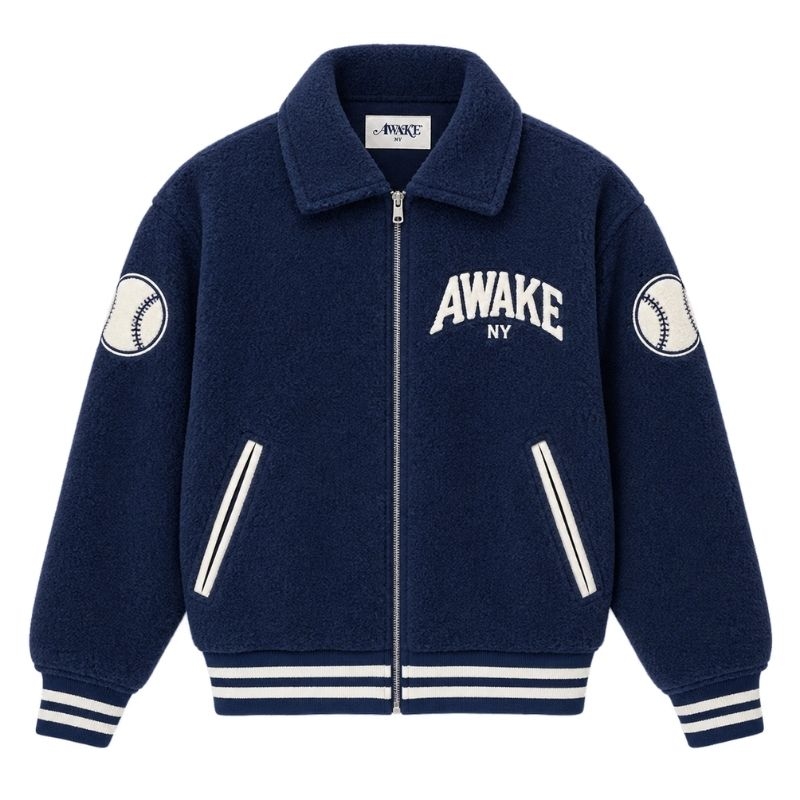
It has developed into a flexible approach to dressing that combines comfort, individuality, layering, and contemporary design.
For someone building a streetwear wardrobe from scratch, the number of choices can be overwhelming. There are hoodies, jackets, cargo pants, sneakers, graphic pieces, neutral basics, accessories, and countless combinations. The good news is that you do not need a huge collection to create outfits that look considered.
The key is choosing versatile pieces and learning how they work together. A reliable hoodie can become the foundation of a casual outfit, while a well-selected jacket can add structure and make a simple combination feel more complete. Color, proportions, fabric, and occasion also play important roles.
This guide explores practical ways to build a streetwear wardrobe that is comfortable, adaptable, and genuinely reflective of your personal style.
1. Start With the Foundation of Your Wardrobe
A strong streetwear wardrobe begins with versatile clothing rather than statement pieces.
Before buying something because it looks interesting, consider whether you can wear it with several things you already own. A useful wardrobe should make getting dressed easier, not more complicated.
Start with dependable basics such as:
Plain or subtly branded T-shirts
Comfortable hoodies
Straight or relaxed-fit trousers
Cargo pants or utility-inspired trousers
Versatile sneakers
A lightweight or midweight jacket
Neutral socks and accessories
These pieces can create numerous outfits without requiring a large collection.
For example, a neutral hoodie can work with cargo trousers and sneakers for a relaxed outfit. The same hoodie can also be worn underneath a jacket when the weather becomes cooler.
This flexibility is especially valuable when you're developing your personal style because it gives you room to experiment without constantly buying new clothes.
2. Understand Why Fit Matters in Streetwear
Streetwear often plays with proportions. Oversized silhouettes, relaxed trousers, cropped jackets, and layered tops can all create different visual effects.
However, oversized does not automatically mean better.
The right fit depends on the individual garment and the rest of the outfit. If you choose a very loose hoodie, you might balance it with straighter trousers. Conversely, a relaxed pair of pants can work well with a more structured upper layer.
Choosing the Right Hoodie Fit
When shopping for an Awakeny Hoodie or any similar streetwear staple, consider:
Shoulder position: Decide whether you prefer a traditional shoulder seam or a dropped shoulder.
Body length: Make sure the hoodie does not overwhelm the proportions of your outfit.
Sleeve length: Longer sleeves can create a relaxed appearance, but excessive length may become inconvenient.
Weight: A heavier hoodie generally creates more structure, while a lighter one works well for layering.
The best fit is ultimately the one that allows you to move comfortably while matching the silhouette you want.
3. Build Around a Flexible Color Palette
Color is one of the easiest ways to make a streetwear wardrobe more versatile.
You do not have to wear black from head to toe to create a streetwear look. Instead, develop a core palette and introduce stronger colors selectively.
Neutral shades such as black, white, grey, navy, beige, olive, and brown can work as the foundation. Once those colors are established, you can add brighter tones through individual pieces.
For example:
Black hoodie + grey trousers + white sneakers
Cream T-shirt + olive cargo pants + black jacket
Grey hoodie + black trousers + neutral sneakers
White T-shirt + dark denim + colored outerwear
A simple color palette also makes it easier to mix clothing. If most of your wardrobe works together, you can create more combinations with fewer pieces.
4. Learn the Art of Layering
Layering is one of the most practical techniques in contemporary streetwear.
It adds visual depth while allowing you to adjust your outfit as temperatures change. Instead of relying on one heavy garment, you can combine several lighter layers.
A basic layering formula might include:
T-shirt → Hoodie → Jacket
This combination works because each layer serves a different purpose. The T-shirt provides a lightweight base, the hoodie adds warmth and volume, and the jacket creates an outer layer that gives the outfit structure.
Keep Layers Functional
Layering should not simply mean wearing as many garments as possible.
Consider the weather, fabric weight, and movement. A bulky hoodie underneath a tightly fitted jacket may feel uncomfortable and look restrictive. A roomier outer layer usually works better.
You can also experiment with shorter and longer layers. A T-shirt extending slightly below a hoodie or a hoodie peeking out underneath a jacket can create subtle visual contrast.
5. Choose Outerwear That Works Beyond One Outfit
Outerwear has a major influence on an outfit because it is often the first thing people notice.
A versatile jacket can transform basic clothing into a more complete look. This makes outerwear an important investment when building a streetwear wardrobe.
An Awakeny Jacket, for example, can be approached as a styling layer rather than simply a standalone garment. Think about what you can wear underneath it and whether its shape complements your existing trousers and footwear.
When choosing a jacket, consider:
Fabric and durability
Fit and shoulder shape
Length
Pocket placement
Color
Seasonal suitability
Compatibility with your existing wardrobe
A simple jacket in a versatile shade may provide more styling opportunities than an extremely distinctive piece that only works with one outfit.
6. Combine Comfort With Personal Style
One reason streetwear continues to appeal to so many people is its emphasis on comfort.
Relaxed silhouettes, soft fabrics, practical pockets, and easy layering can make everyday clothing more functional. But comfort does not mean ignoring appearance.
The goal is to find clothing that feels good while still expressing your personality.
Someone who prefers minimalist fashion might choose solid colors and subtle branding. Another person may prefer graphics, bold sneakers, or more noticeable outerwear.
Neither approach is automatically more authentic.
Personal style develops through experimentation. Try different silhouettes and notice what you naturally reach for. Over time, patterns will emerge.
You may discover that you prefer:
Oversized hoodies
Straight-leg trousers
Cropped outerwear
Monochrome outfits
Vintage-inspired pieces
Utility clothing
Minimal branding
Once you understand these preferences, shopping becomes much easier.
7. Think About Fabric and Construction
Design matters, but the material of a garment can have an equally important effect on how it feels and performs.
Cotton is commonly used for T-shirts and hoodies because it is comfortable and breathable. Heavier cotton fabrics can provide additional structure, while lighter materials may be better for layering.
Outerwear can use a wider variety of materials depending on its intended function.
When evaluating clothing, look beyond the appearance and consider:
Fabric Weight
Heavier fabrics can provide warmth and structure, while lighter fabrics are often easier to layer.
Stitching
Look at seams, hems, cuffs, and other construction points. Consistent stitching can be an indicator of careful manufacturing.
Hardware
Zippers, buttons, snaps, and drawcords should be practical and appropriate for the garment.
Care Requirements
A garment that requires complicated care may be less convenient for everyday use.
Understanding these details helps you make more informed clothing choices rather than purchasing purely based on appearance.
8. Create Outfits Around One Focal Piece
A common styling mistake is making every part of an outfit compete for attention.
Instead, choose one focal item and let the other pieces support it.
For example, if you are wearing a distinctive jacket, keep the T-shirt, trousers, and footwear relatively simple. If your sneakers are the main feature, choose quieter clothing above them.
This approach creates balance.
A useful formula is:
One statement piece + two or three supporting basics.
The statement piece could be a jacket, hoodie, pair of sneakers, graphic shirt, or accessory.
This technique is particularly useful when wearing branded streetwear. It allows the clothing to remain noticeable without making the entire outfit feel visually crowded.
9. Adapt Streetwear to Different Settings
Modern streetwear is flexible enough to work in many everyday situations, but styling should still consider the environment.
For casual weekends, a hoodie, relaxed trousers, and sneakers can provide a comfortable combination.
For a social setting, you might replace the casual hoodie with a structured jacket and cleaner footwear.
For travel, prioritize comfortable layers that can adapt to changing temperatures.
A simple travel combination could include:
Lightweight T-shirt
Midweight hoodie
Versatile jacket
Relaxed trousers
Comfortable sneakers
The advantage of this approach is that each layer can be removed or added depending on the conditions.
Streetwear becomes more useful when it fits naturally into your actual lifestyle rather than being treated as a costume.
10. Shop With a Long-Term Mindset
Building a wardrobe does not need to happen overnight.
Instead of buying many pieces at once, identify gaps in your current collection. Ask yourself what you actually need.
Before purchasing an item, consider these questions:
Can I create at least three outfits with it?
Does the fit work with my existing clothing?
Is the fabric appropriate for how I will use it?
Can I wear it across multiple seasons?
Does it reflect my personal style?
Am I buying it because I need it or simply because it is trending?
These questions can reduce unnecessary purchases while helping you create a more cohesive wardrobe.
If you want to explore a contemporary streetwear direction, you can also look at Awakeny as part of your research into modern clothing styles and wardrobe combinations.
Conclusion
A successful streetwear wardrobe is not defined by how many clothes you own. It is built around versatility, comfort, fit, and personal expression. Starting with reliable basics gives you a foundation that can evolve as your style changes.
Pay particular attention to proportions when choosing hoodies and trousers, and use layering to create outfits that are practical as well as visually interesting. Outerwear can add structure, while thoughtful color combinations can make individual pieces easier to combine.
It is also worth considering fabric quality, construction, and care requirements before making a purchase. These details can influence how useful a garment becomes over time.
Most importantly, streetwear should work for your everyday life. Trends can provide inspiration, but your wardrobe becomes more valuable when the clothes feel natural to wear and reflect your preferences.
Whether your style is minimalist, utility-focused, graphic-heavy, or somewhere in between, a thoughtful approach allows you to create outfits that feel individual without becoming unnecessarily complicated.
FAQs
1. What makes an outfit streetwear?
Streetwear generally combines casual clothing, relaxed silhouettes, contemporary styling, and elements influenced by youth culture, music, sports, art, and urban fashion. There is no single formula that defines every streetwear outfit.
2. How should a streetwear hoodie fit?
The ideal fit depends on your preferred silhouette. A relaxed or oversized hoodie can create a contemporary look, while a more standard fit can work well for layering underneath jackets.
3. What should I wear with an Awakeny Hoodie?
An Awakeny Hoodie can be styled with cargo trousers, relaxed denim, straight-leg pants, or other casual bottoms. Sneakers and a simple jacket can complete the outfit.
4. Are oversized clothes always better for streetwear?
No. Oversized clothing is popular in streetwear, but proportions matter more than simply choosing the largest size. Balance loose pieces with clothing that creates structure elsewhere in the outfit.
5. How can I style a streetwear jacket?
Start with simple layers underneath the jacket. A T-shirt or hoodie can provide the base, while relaxed trousers and sneakers can create a balanced casual combination.
6. What colors work well for streetwear?
Black, white, grey, navy, beige, brown, and olive are versatile choices. Brighter colors can then be introduced through individual statement pieces, sneakers, or accessories.
7. How many pieces do I need to start a streetwear wardrobe?
There is no fixed number. A practical starting wardrobe can include several T-shirts, one or two hoodies, versatile trousers, sneakers, and a jacket. The focus should be on how well the pieces work together.
8. How can I make streetwear outfits look more polished?
Focus on fit, clean footwear, coordinated colors, balanced proportions, and purposeful layering. Keeping one main statement piece while simplifying the rest of the outfit can also create a more refined appearance.