Learning about lymphatic massage can help beginners understand how gentle manual techniques may support fluid movement and contribute to managing certain types of swelling. Lymphatic massage, also known as manual lymphatic drainage, uses light, rhythmic movements on the skin rather than deep pressure on muscles. For individuals exploring Lymphatic massage in Riyadh (مساج لمفاوي الرياض), understanding the basic techniques, potential benefits, and safety precautions is an important first step toward making informed treatment decisions. Although this approach may be helpful in selected circumstances, its suitability depends on the cause of swelling and each person's health needs.
What Is Lymphatic Massage?
Lymphatic massage is a specialized technique designed to encourage lymph fluid movement through superficial lymphatic vessels. The lymphatic system helps collect excess fluid from tissues and return it to the bloodstream while also supporting immune function.
How the Lymphatic System Works
Lymph moves through a network of vessels and lymph nodes. Its movement is supported by natural vessel contractions, breathing, muscle activity, and pressure changes within surrounding tissues. When lymphatic drainage is impaired, fluid may accumulate and contribute to swelling.
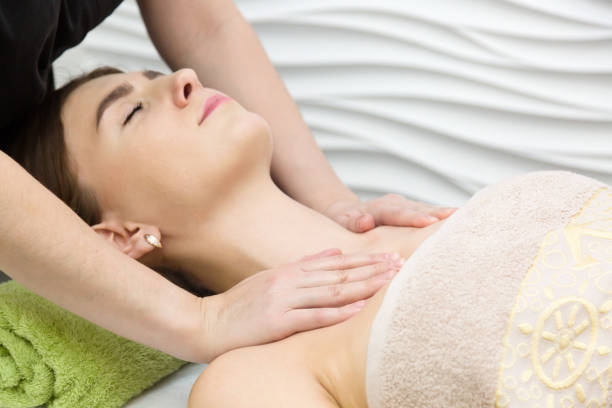
Manual lymphatic drainage uses carefully controlled movements intended to encourage fluid movement along appropriate pathways. It is different from conventional massage, which may focus on relaxing muscles or relieving muscle tension.
Basic Lymphatic Massage Techniques for Beginners
Beginners should understand the principles behind lymphatic massage before attempting any technique. Treatment for a medical condition, persistent swelling, or recovery after surgery should be guided by a qualified healthcare professional.
Gentle Skin-Stretching Movements
Manual lymphatic drainage generally uses light movements that gently stretch the skin and then release it. The movements are slow, controlled, and repeated in a specific sequence. Strong pressure is unnecessary because many superficial lymphatic vessels are located close to the skin.
The technique should not cause pain, significant redness, or bruising. If an area is swollen, tender, or affected by a medical condition, seek professional guidance before attempting self-massage.
Following Appropriate Drainage Pathways
A trained practitioner uses the body's lymphatic anatomy to determine the appropriate direction and sequence of movements. Depending on the clinical method, treatment may begin around relevant drainage regions before addressing the affected area.
Beginners should avoid assuming that all body parts can be massaged in the same direction or with the same technique. Correct treatment depends on the area involved, the reason for swelling, and individual health considerations.
Using a Light and Consistent Touch
One of the most important principles is to avoid forceful rubbing, kneading, or deep pressure. Lymphatic drainage is not designed to work through painful muscle compression.
People considering Lymphatic massage in Riyadh should look for practitioners with appropriate training who can explain the technique and adapt it to individual needs.
Potential Benefits of Lymphatic Massage
The benefits of lymphatic massage depend on the condition being treated. It has a recognized role in selected cases of lymphedema management, usually as part of a broader treatment plan.
Supporting Certain Types of Swelling
Lymphedema develops when the lymphatic system cannot adequately transport fluid, leading to persistent swelling. Manual lymphatic drainage may be included in comprehensive care alongside compression therapy, appropriate exercise, skin care, and patient education.
It is not a standalone cure, and its added benefit can vary. Swelling caused by other conditions may require a different approach.
Helping With Temporary Puffiness
Some people seek gentle lymphatic techniques for temporary facial puffiness or a feeling of heaviness. When fluid accumulation contributes to these symptoms, massage may provide temporary improvement for selected individuals. However, scientific evidence for routine cosmetic use in otherwise healthy people is limited.
Lymphatic massage does not remove body fat, guarantee weight loss, or permanently reshape facial features. It should not be promoted as a universal detoxification method.
Can Beginners Perform Lymphatic Massage at Home?
Some people may be taught simple self-management techniques by a qualified professional. However, beginners should not attempt to treat unexplained swelling or a diagnosed lymphatic condition without suitable instruction.
Start With Professional Guidance
A practitioner can explain which areas may be treated, how much pressure to use, and whether self-massage is appropriate. This is particularly important for people with lymphedema, a history of surgery, or conditions affecting circulation.
Avoid massaging painful, inflamed, infected, or injured areas. Do not perform self-massage over fresh surgical incisions or recently treated cosmetic areas unless the treating clinician has specifically approved it.
Know When to Stop
Stop if you experience pain, unusual tenderness, skin irritation, dizziness, or worsening swelling. Massage should never be used to delay medical assessment when symptoms are new or unexplained.
Sudden swelling in one leg, especially with pain, warmth, or redness, requires prompt medical evaluation. Chest pain or shortness of breath requires emergency medical attention.
Common Beginner Mistakes to Avoid
Beginners can improve their understanding by avoiding several common misconceptions:
Applying too much pressure: Lymphatic drainage generally requires light, controlled movements rather than deep massage.
Expecting immediate results: Any improvement depends on the cause of swelling and may be temporary.
Using massage for every type of swelling: Some causes require medical diagnosis and targeted treatment.
Ignoring health conditions: Certain heart or kidney conditions, active infections, and suspected blood clots require medical assessment before massage.
Following unverified techniques: Online demonstrations may not be appropriate for every person or medical condition.
For those exploring Lymphatic massage in Riyadh, professional guidance can help establish realistic expectations and identify suitable techniques.
How to Choose a Qualified Lymphatic Massage Practitioner
Look for a provider with relevant training in manual lymphatic drainage and experience appropriate to your needs. Before treatment, the practitioner should review your medical history, discuss your symptoms, explain the technique, and identify any reasons for medical referral.
If you have recently undergone surgery, obtain approval from your treating surgeon before beginning lymphatic drainage. The timing and technique must reflect your procedure and stage of healing.
Book a Consultation at Royal Clinic Saudia
Understanding basic lymphatic massage techniques can help you make informed decisions about your health and wellness. Royal Clinic Saudia ( عيادات رويال كلينك ) can help you discuss your concerns, understand relevant safety precautions, and explore whether lymphatic massage may be suitable for your individual needs. If you are considering Lymphatic massage in Riyadh, seek professional guidance to ensure that the treatment approach is appropriate for your symptoms, health history, and goals.