Pregnancy can bring significant changes to the abdomen, including stretched skin, localized fat, and changes in the abdominal muscles. Some of these changes may remain even after childbirth and returning to a stable weight. For appropriately selected patients, Abdominal Liposuction and Tummy Tuck in Riyadh (عملية شد البطن في الرياض) may be considered to address specific concerns involving abdominal contour, excess skin, and localized fat. Understanding the procedures, timing, recovery, and realistic expectations is important before making a decision.
How Pregnancy Can Change the Abdomen
During pregnancy, the abdominal skin stretches to accommodate the growing baby. Hormonal changes and weight gain can also affect fat distribution and skin elasticity.
The abdominal muscles may stretch or separate during pregnancy as the abdomen expands. Although the body can recover significantly after childbirth, some changes may remain.
Common concerns after pregnancy include loose abdominal skin, localized fat deposits, stretch marks, and changes in abdominal firmness.
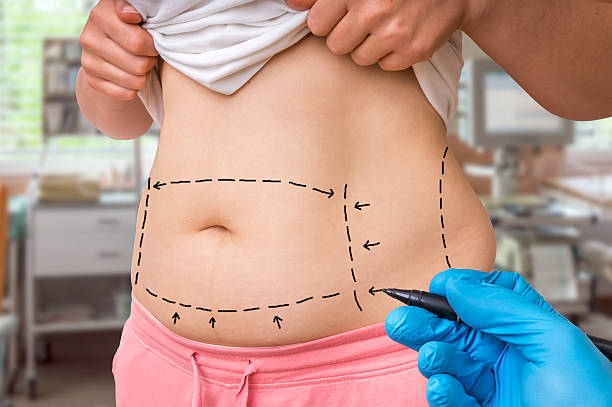
When Can You Consider Treatment After Pregnancy?
Timing is an important consideration. It is generally preferable to allow the body sufficient time to recover from pregnancy and childbirth before considering elective body-contouring surgery.
Patients should discuss their individual circumstances with a qualified surgeon, particularly if they are breastfeeding, have recently given birth, or are still experiencing significant changes in weight or body shape.
It is also important to consider whether future pregnancies are planned. Pregnancy after a tummy tuck can stretch the abdominal tissues again and may alter the surgical results.
How Abdominal Liposuction Can Help
Liposuction primarily targets localized deposits of subcutaneous fat. After pregnancy, some areas of abdominal or waist fat may remain despite healthy eating and regular physical activity.
The procedure can reduce selected fat deposits and refine body contours. However, liposuction is not designed to remove significant excess skin or repair weakened abdominal muscles.
Patients should therefore understand that treating fat alone may not address every post-pregnancy abdominal concern.
How a Tummy Tuck Can Help
A tummy tuck, or abdominoplasty, focuses on excess abdominal skin and may also address weakened or separated abdominal muscles when appropriate.
The procedure involves removing selected excess skin and reshaping the abdominal tissues. When muscle repair is indicated, it may help create a firmer-looking abdominal profile.
A tummy tuck does not remove every stretch mark or guarantee a completely flat abdomen. The amount of improvement depends on individual anatomy, skin quality, and healing.
Why Both Procedures May Be Considered
Some patients have both localized fat and significant loose skin following pregnancy. In selected cases, a surgeon may consider combining liposuction with a tummy tuck.
Liposuction can address targeted fat deposits, while the tummy tuck can address excess skin and, when appropriate, abdominal muscle laxity.
Abdominal Liposuction and Tummy Tuck in Riyadh may therefore be discussed as part of an individualized treatment plan when both concerns are present. However, combining procedures is not automatically appropriate for every patient.
The Importance of Stable Weight
A relatively stable weight is an important consideration before body-contouring surgery. Significant ongoing weight changes can affect the amount of excess skin and the distribution of abdominal fat.
Patients who are still losing pregnancy-related weight may be advised to wait until their weight has stabilized. This can help the surgeon evaluate the abdominal area more accurately and develop a more appropriate treatment plan.
Healthy nutrition and regular physical activity, when medically appropriate, can support overall recovery and long-term weight management.
Consider Future Pregnancy
If you are planning another pregnancy, discuss this with your surgeon before considering a tummy tuck.
Pregnancy can stretch the skin and abdominal tissues again, potentially changing the appearance achieved through surgery. For this reason, some patients may choose to postpone a tummy tuck until they have completed their pregnancies.
The appropriate timing depends on individual circumstances and should be discussed during a consultation.
Understanding Scarring
A tummy tuck requires a surgical incision, so a permanent scar should be expected. The surgeon generally plans the incision carefully based on anatomy and the selected technique.
Scar appearance varies from person to person. Genetics, skin characteristics, wound healing, incision tension, and postoperative care can all influence how a scar develops.
Liposuction generally involves much smaller access points, which may also leave small marks.
Recovery After Treatment
Recovery varies depending on whether liposuction, tummy tuck, or both procedures are performed. Swelling, bruising, soreness, tightness, and temporary changes in sensation can occur.
Your surgeon may recommend gentle walking once it is safe while restricting heavy lifting and strenuous exercise during the early recovery period.
Following wound-care instructions and attending scheduled follow-up appointments are important parts of recovery.
Setting Realistic Expectations
Body contouring can improve specific concerns, but it cannot completely reverse every physical change associated with pregnancy. Stretch marks, skin texture, natural body structure, and other characteristics may remain.
Results also develop gradually as swelling decreases and tissues heal. The final contour can be influenced by skin elasticity, abdominal anatomy, weight stability, healing, and lifestyle.
For patients considering Abdominal Liposuction and Tummy Tuck in Riyadh, discussing individual expectations with a qualified surgeon can help clarify what the procedures may realistically accomplish.
Book Your Appointment at Royal Clinic Saudia
If you are considering Abdominal Liposuction and Tummy Tuck in Riyadh after pregnancy, Royal Clinic Saudia ( عيادات رويال كلينك ) can provide an individualized consultation to assess your abdominal skin, fat distribution, and overall goals. The consultation can also address timing, future pregnancy plans, recovery, scarring, and realistic expectations.
FAQs:
How long should I wait after pregnancy before considering these procedures?
The appropriate timing varies. Your body should have sufficient time to recover, and factors such as weight stability, breastfeeding, health, and future pregnancy plans should be discussed with your surgeon.
Can liposuction remove loose skin after pregnancy?
No. Liposuction primarily removes localized fat. Significant loose skin may require a tummy tuck.
Can a tummy tuck repair abdominal muscles after pregnancy?
When appropriate, a tummy tuck may include repair or tightening of weakened or separated abdominal muscles. Your surgeon can determine whether this is suitable for you.
Can I become pregnant after a tummy tuck?
Pregnancy may still be possible, but it can change the abdominal tissues and affect the surgical result. Discuss future pregnancy plans with your surgeon before treatment.