Cleanroom environments play an essential role in industries where maintaining controlled conditions and preventing contamination are critical. Pharmaceutical manufacturing, biotechnology, healthcare, electronics, food processing, and medical device production all require specialised environments to ensure product quality, safety, and regulatory compliance. Selecting reliable cleanroom equipment suppliers is therefore an important decision for businesses planning to establish or upgrade their cleanroom facilities.
Cleanroom equipment helps maintain controlled air quality, temperature, humidity, and pressure while minimising airborne particles and other contaminants. From air handling units and filtration systems to dispensing booths and sampling booths, every component contributes to maintaining the required environmental conditions.
Businesses should look beyond product availability when selecting a supplier. Technical expertise, product quality, customisation capabilities, industry experience, and after-sales support are equally important considerations.
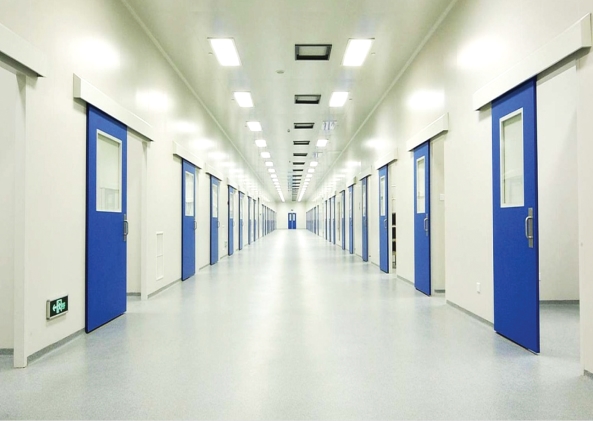
What Are Cleanroom Equipment Suppliers?
Cleanroom equipment suppliers provide specialised products and solutions designed to create and maintain controlled environments. These suppliers support industries that require specific cleanliness levels and environmental conditions during manufacturing, testing, packaging, and research activities.
Their product range may include air filtration systems, cleanroom furniture, air showers, pass boxes, sampling booths, dispensing booths, and other contamination-control equipment.
Professional suppliers also help businesses identify suitable equipment based on their operational requirements, facility layout, industry standards, and cleanroom classification.
By working with an experienced supplier, organisations can select appropriate equipment and develop an environment that supports consistent production quality and operational efficiency.
Essential Equipment Used in Cleanroom Facilities
A cleanroom requires multiple equipment systems working together to maintain controlled environmental conditions. Some of the commonly used equipment includes:
1. Air Handling Units (AHUs)
Air handling units are important components of cleanroom ventilation systems. They regulate and distribute conditioned air throughout the facility while supporting temperature, humidity, and airflow management.
AHUs can be integrated with suitable filtration arrangements to help control airborne particles. Their design and capacity depend on the cleanroom size, occupancy, process requirements, and required environmental conditions.
2. HEPA Filtration Systems
High-Efficiency Particulate Air (HEPA) filters are widely used in cleanroom environments to remove airborne particles from circulating air.
These filtration systems help maintain the required cleanliness levels by capturing particles that could affect sensitive manufacturing processes. Filter selection depends on the application, airflow requirements, and cleanroom design.
3. Air Showers
Air showers are designed to remove loose particles from personnel or materials before they enter controlled areas.
They generally use high-velocity filtered air to dislodge surface particles, helping reduce the movement of contaminants into cleanroom spaces.
4. Pass Boxes
Pass boxes allow materials and equipment to move between different cleanroom areas without requiring personnel to enter and exit unnecessarily.
They help maintain separation between controlled spaces and support organised material transfer. Interlocking door arrangements are commonly used to prevent both doors from opening simultaneously.
5. Sampling Booths
Sampling booths are used in pharmaceutical and other controlled manufacturing environments for collecting samples from raw materials.
They are designed to support contamination control during sampling activities. Their airflow and filtration arrangements depend on the materials being handled and the required containment strategy.
6. Dispensing Booths
Dispensing booths are commonly used in pharmaceutical manufacturing facilities for weighing and dispensing raw materials.
They provide a controlled working environment that helps minimise the spread of airborne dust during material-handling operations. Proper booth design is important for both product protection and operator safety.
7. Cleanroom Furniture and Accessories
Cleanroom furniture includes worktables, storage cabinets, chairs, racks, and other specialised accessories.
These products are generally designed with materials and surfaces suitable for controlled environments. Their construction should support easy cleaning, durability, and compatibility with cleanroom operating procedures.
Industries That Require Cleanroom Equipment
Different industries depend on cleanroom technology to maintain product quality and prevent contamination.
Pharmaceutical Industry: Pharmaceutical manufacturers use cleanroom equipment during drug production, weighing, dispensing, sampling, filling, and packaging processes. Controlled environments help protect products from contamination.
Healthcare and Medical Devices: Medical device manufacturing requires suitable controlled environments to support the production and assembly of products that must meet strict quality requirements.
Biotechnology: Biotechnology facilities use cleanroom systems for research, laboratory activities, and specialised manufacturing processes where environmental control is essential.
Electronics and Semiconductor Industry: Electronic components and semiconductor products can be affected by microscopic particles. Cleanroom equipment helps maintain the controlled conditions required for sensitive manufacturing operations.
Food and Beverage Industry: Certain food processing and packaging applications require controlled environments to reduce contamination risks and maintain hygiene.
How to Choose the Right Cleanroom Equipment Suppliers
Selecting the right supplier requires evaluating several factors beyond product pricing. Businesses should consider the following points before making a decision.
1. Product Range and Availability
Look for suppliers offering a comprehensive range of cleanroom equipment. A supplier with multiple product categories can make equipment selection and project coordination easier.
Check whether the supplier provides the specific equipment required for your facility, including filtration systems, AHUs, air showers, pass boxes, and specialised booths.
2. Industry Experience
Experience in cleanroom engineering and contamination-control applications is an important consideration.
Suppliers familiar with pharmaceutical, healthcare, biotechnology, and manufacturing requirements may better understand the technical challenges associated with different cleanroom environments.
3. Quality and Compliance
Equipment should be designed and manufactured according to applicable industry requirements and project specifications.
Depending on the application, buyers may need to consider relevant ISO cleanroom classifications, GMP requirements, material specifications, and testing documentation.
Always verify certifications, test reports, and compliance claims rather than relying only on promotional statements.
4. Customisation Capabilities
Every cleanroom facility has different operational requirements. Equipment dimensions, airflow arrangements, filtration levels, materials, and installation conditions may vary.
Choose suppliers who can understand project specifications and provide suitable customised solutions where required.
5. Technical Support and Installation
Proper installation and commissioning are essential for cleanroom equipment performance.
Evaluate whether the supplier provides technical consultation, installation assistance, testing support, documentation, and maintenance guidance.
6. After-Sales Service
Cleanroom equipment requires regular inspection and maintenance to maintain consistent performance.
A reliable supplier should provide access to spare parts, technical assistance, maintenance recommendations, and service support.
Benefits of Working with Professional Cleanroom Equipment Suppliers
Partnering with experienced suppliers can provide several operational advantages.
Improved contamination control: Appropriate equipment helps minimise the risk of airborne particle contamination.
Better environmental management: Suitable systems support controlled temperature, humidity, airflow, and pressure.
Regulatory readiness: Equipment selected according to applicable standards can support quality management and compliance activities.
Operational efficiency: Well-designed equipment can improve workflow and material movement within controlled environments.
Long-term reliability: Quality products and proper maintenance can help reduce equipment downtime.
Project-specific solutions: Technical consultation and customisation help address the requirements of different facilities.
Why Supplier Selection Matters for Pharmaceutical Cleanrooms
Pharmaceutical cleanrooms require careful equipment selection because manufacturing processes involve materials and products that may be sensitive to contamination.
Equipment such as dispensing booths, sampling booths, air handling units, and filtration systems must be selected according to the process requirements and contamination-control strategy.
For example, a dispensing area handling powdered materials may require a different containment approach compared with a general cleanroom working area. Similarly, sampling activities require suitable arrangements to protect materials, operators, and surrounding environments.
Businesses should therefore evaluate the complete cleanroom design instead of selecting individual equipment products without considering how they work together.
An experienced equipment partner such as Syntec Airflow System can help businesses explore cleanroom equipment solutions based on their facility requirements and operational applications.
Future Trends in Cleanroom Equipment
Cleanroom technology continues to develop as industries demand better environmental monitoring, energy efficiency, and process control.
Some important trends include:
Smart Monitoring Systems: Modern monitoring technologies help track environmental parameters such as temperature, humidity, pressure differences, and airborne particle levels.
Energy-Efficient HVAC Solutions: Improved air handling designs and control systems can help optimise energy consumption while maintaining required environmental conditions.
Automation and Process Integration: Automated equipment and monitoring systems can support consistent operations and reduce unnecessary manual intervention.
Advanced Filtration Technologies: Improvements in filtration design help industries address increasingly specialised air-quality and contamination-control requirements.
These developments are encouraging businesses to invest in modern cleanroom infrastructure that supports long-term operational needs.
Conclusion
Choosing the right cleanroom equipment suppliers is essential for businesses that require controlled manufacturing and processing environments. The right equipment contributes to contamination control, environmental management, product quality, and operational efficiency.
Before selecting a supplier, evaluate product quality, industry experience, customisation options, technical expertise, compliance documentation, and after-sales support. A well-planned equipment selection process can help organisations establish reliable cleanroom facilities that meet their specific operational requirements.
Investing in suitable cleanroom equipment is not just about meeting present-day requirements; it is also about building an efficient and dependable facility that can support future business growth.