
Butterfly Pose is one of the simplest seated yoga poses, making it a good choice for people who are new to yoga. It is commonly known as Baddha Konasana, or Bound Angle Pose. In this posture, the soles of the feet are brought together while the knees move gently outward.
The pose mainly works on the inner thighs, groin, and hips. It can also make seated positions more comfortable, especially for people who spend many hours sitting during the day. With regular and gentle practice, Butterfly Pose can become a useful part of a yoga, stretching, or meditation routine.
What Is Butterfly Pose?
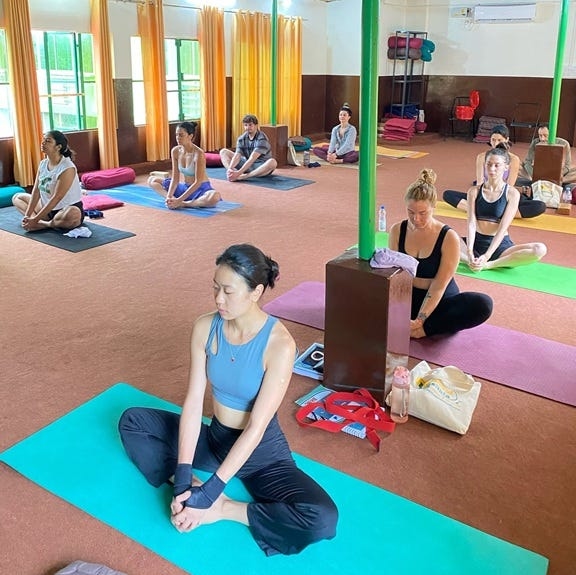
Butterfly Pose gets its common name from the shape and movement of the legs. When the knees gently move up and down, they look similar to the wings of a butterfly. In India, the pose is also sometimes called Titli Asana.
The traditional name, Baddha Konasana, comes from Sanskrit. “Baddha” means bound, while “Kona” means angle. The position of the legs creates the bound-angle shape.
The pose gives a gentle stretch to the inner thighs and groin. It also encourages movement around the hips. However, it is important to understand that the aim is not to force the knees toward the floor. Every person's hip structure and flexibility are different.
How to Do Butterfly Pose
You do not need advanced flexibility to practise Butterfly Pose. Beginners can use a folded blanket or cushion under the hips if sitting directly on the floor makes it difficult to keep the spine upright.
Follow these steps:
Sit comfortably on the floor with your legs extended forward.
Bend both knees and bring the soles of your feet together.
Allow your knees to open naturally toward the sides.
Hold your feet, ankles, or shins, depending on what feels comfortable.
Sit tall and keep your spine long.
Relax your shoulders and breathe slowly.
Allow your knees to move toward the floor without pushing them down.
Stay in the position for about 30 to 60 seconds when you are a beginner.
As your flexibility improves, you can gradually stay longer.
To release the pose, slowly extend your legs forward and relax.
If you want to use the familiar “flapping” movement, gently raise and lower your knees several times before settling into the still position. The movement should be controlled and comfortable rather than fast or forceful.
Benefits of Butterfly Pose
1. Improves Inner-Thigh Flexibility
Butterfly Pose provides a gentle stretch to the inner thighs and groin. Regular practice may gradually improve flexibility in these areas. This can make certain seated yoga poses and everyday movements more comfortable.
2. Supports Hip Mobility
The position encourages gentle movement around the hip joints. This can be particularly useful for people who spend long periods sitting at a desk or have limited hip mobility.
Better mobility does not mean forcing the body into a deeper position. Progress should happen gradually and without pain.
3. Makes Seated Meditation More Comfortable
Sitting comfortably is important during meditation. Tight hips and inner thighs can make sitting for longer periods uncomfortable.
Practising Butterfly Pose may help improve mobility in these areas, making it easier to find a relaxed seated position before meditation.
4. Helps the Body Relax
When practised slowly with relaxed breathing, Butterfly Pose can be a calming posture. It can be included toward the end of a yoga session or as part of a gentle evening routine.
Instead of trying to stretch as deeply as possible, focus on slow breathing and allowing the body to relax.
5. Useful After Physical Activity
People who run, cycle, walk extensively, or perform other leg-based activities may experience tightness around the inner thighs and groin.
A gentle Butterfly Pose after physical activity can provide a comfortable stretch to these areas. It should be used as a gentle mobility exercise rather than an intense stretch.
6. Beginner-Friendly
One of the biggest advantages of Butterfly Pose is that it can easily be modified.
If your knees remain high, place cushions or yoga blocks underneath them for support. If your lower back rounds, sit on a folded blanket to raise the hips.
These modifications are not signs of poor flexibility. They simply help you practise the pose in a more comfortable position.
Common Mistakes to Avoid
Beginners often make the mistake of trying to make their knees touch the floor. This is unnecessary. Your knees do not need to reach the floor for the pose to be effective.
Avoid pushing your knees down with your hands. Do not bounce aggressively or force your feet too close to your body.
Another common mistake is rounding the back to reach the feet. Keeping the spine comfortable and upright is more important than touching the toes.
If you feel sharp pain, especially around the knees, stop the practice. A gentle stretch in the inner thighs can be normal, but pain is a reason to come out of the pose.
How Long Should You Practise Butterfly Pose?
Beginners can start with 30 to 60 seconds and gradually increase the duration. One to three minutes can be comfortable for many practitioners when the pose is performed without strain.
Short, regular practice is generally more useful than forcing yourself to stay in the pose for a long time.
Butterfly Pose can be used as a warm-up, a cool-down, or before meditation. Its place in a yoga routine depends on your goal and the other practices you are doing.
Can Butterfly Pose Reduce Thigh Fat?
Butterfly Pose should not be considered a method for removing fat specifically from the thighs. Yoga poses can improve flexibility and mobility, but fat cannot be reduced from only one particular part of the body through a single exercise.
If your goal is overall fitness or weight management, a balanced approach involving regular physical activity, appropriate nutrition, strength exercises, and sustainable lifestyle habits is more useful.
Who Should Be Careful?
People with knee injuries, groin injuries, hip problems, or certain joint conditions should practise with appropriate guidance. Anyone experiencing pain should stop rather than trying to push through it.
Pregnant practitioners should also modify yoga practices according to their individual needs and seek guidance from a qualified prenatal yoga teacher or healthcare professional when necessary.
Learning Yoga Beyond Individual Poses
Learning yoga is about more than knowing how to perform individual postures. Understanding breathing, alignment, anatomy, meditation, yoga philosophy, and how to adapt practices for different people can create a stronger foundation.
For those interested in studying these areas in a traditional setting, Rishikul Yogshala Rishikesh offers yoga teacher training in Rishikesh. The school provides Yoga Alliance-registered teacher training programs, including 200-hour, 300-hour, and other yoga education options. Its 200-hour program includes practices such as Hatha Yoga, Ashtanga Yoga, pranayama, meditation, anatomy, and yoga philosophy.
Final Thoughts
Butterfly Pose is a simple posture, but its value lies in how gently it can be practised. It can support inner-thigh flexibility, hip mobility, comfortable sitting, and relaxation.
For beginners, there is no need to force the knees toward the ground or aim for a perfect shape. Sit comfortably, keep the spine long, breathe naturally, and allow your body to improve gradually.
Yoga is a practice of awareness rather than competition. With patience and regular practice, even a simple pose like Butterfly Pose can become a useful part of a balanced yoga routine.