Menopause can bring several unexpected changes to a woman's body, including oral discomfort, dryness and unusual sensations in the mouth. Burning mouth syndrome menopause is an important topic because some women experience persistent tongue burning, tingling or a painful sensation during the menopausal transition. These symptoms can affect eating, drinking, speaking and everyday comfort.
Hormonal changes, particularly declining oestrogen levels, may contribute to oral discomfort during perimenopause and after menopause. However, not every woman experiencing mouth burning has burning mouth syndrome (BMS). Other conditions, including dry mouth, nutritional deficiencies, oral infections and medication side effects, can produce similar symptoms.
Recognising the possible causes is the first step towards finding suitable relief. This article explores the connection between menopause and burning mouth syndrome, common symptoms, contributing factors, diagnosis and available treatment options. It also discusses practical lifestyle changes and natural approaches that may help women manage oral discomfort.
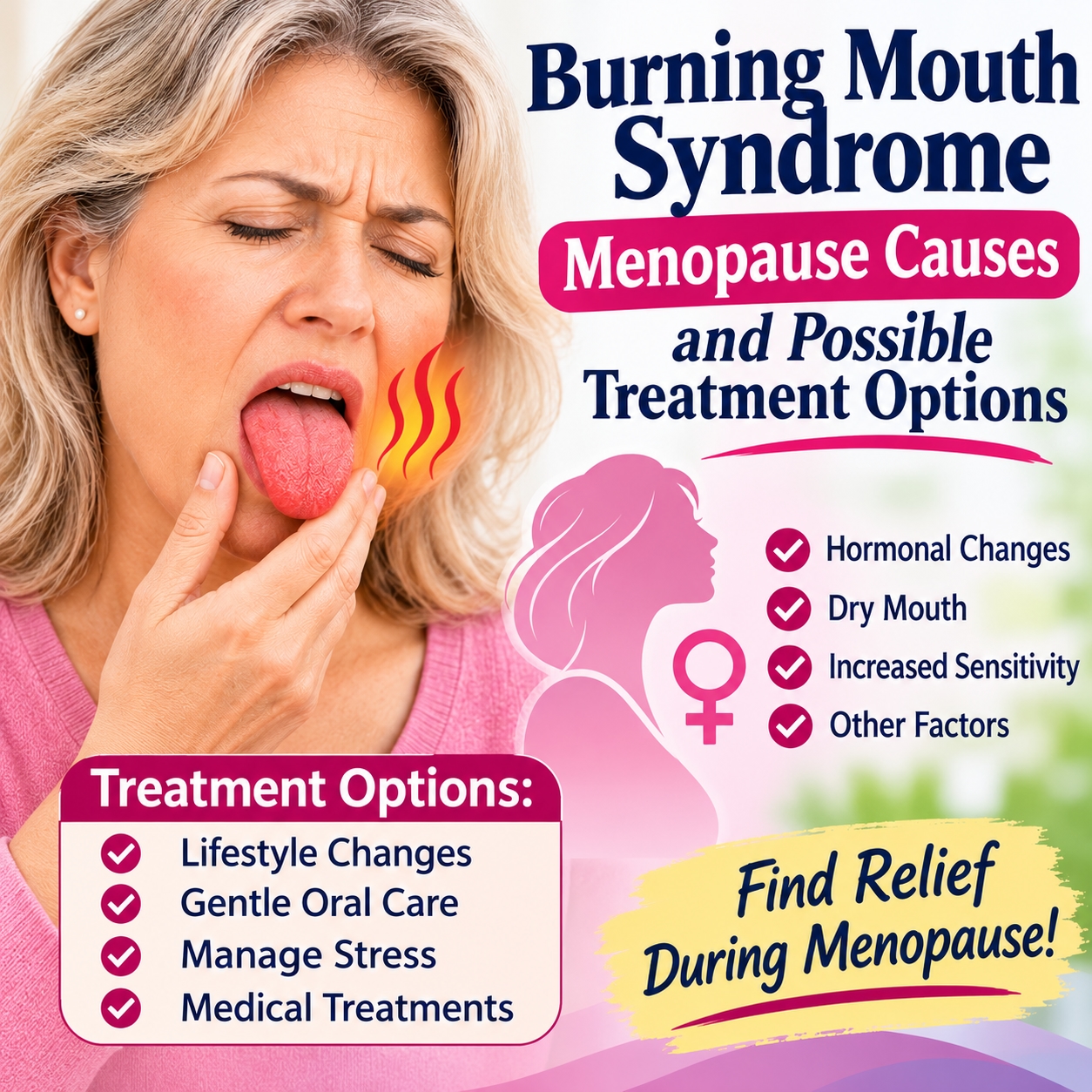
What Is Burning Mouth Syndrome?
Burning mouth syndrome is a condition characterised by a persistent burning, scalding or tingling sensation inside the mouth without an obvious visible cause. It commonly affects the tongue but can also involve the lips, gums, palate and inner cheeks.
Some women describe the feeling as drinking a hot beverage that has burned their tongue. Others experience soreness, numbness, altered taste or an unpleasant metallic sensation.
BMS may occur every day and continue for weeks, months or even years. Symptoms can vary in intensity and sometimes become more noticeable as the day progresses.
There are two broad categories:
Primary burning mouth syndrome: This occurs when no identifiable underlying medical or oral condition explains the symptoms. Changes in pain processing and nerve function may be involved.
Secondary burning mouth syndrome: This describes mouth-burning symptoms associated with another condition, such as nutritional deficiencies, oral infections, dry mouth or medication effects.
Distinguishing between these categories is important because treatment depends on the underlying cause.
How Menopause May Contribute to Burning Mouth Syndrome
Menopause marks the end of menstrual periods and is associated with significant hormonal changes. Oestrogen levels gradually fluctuate during perimenopause and eventually decline after menopause.
These hormonal changes can influence several body systems, including the tissues and nerves involved in oral health.
1. Declining Oestrogen Levels
Oestrogen plays a role in maintaining healthy tissues and supporting normal physiological functions. Hormonal changes may influence the oral lining, salivary glands and sensory nerves.
Some researchers believe that reduced oestrogen activity may contribute to changes in oral sensitivity and pain perception. This could help explain why some women experience burning sensations during menopause.
However, the exact relationship between hormonal changes and BMS remains under investigation. Menopause should therefore be considered a possible contributing factor rather than a confirmed cause in every case.
2. Changes in Saliva Production
Saliva protects the mouth, lubricates oral tissues and supports digestion. It also helps control harmful microorganisms and maintain a healthy oral environment.
Some menopausal women report dry mouth, although reduced saliva production is not an inevitable consequence of menopause.
When saliva is insufficient, the tongue and other oral tissues may become uncomfortable. A dry, sticky feeling can increase irritation and make existing burning sensations more noticeable.
3. Increased Oral Sensitivity
Hormonal fluctuations may influence sensory responses in some women. The tongue can become unusually sensitive to heat, spicy foods, acidic drinks and certain toothpaste ingredients.
This sensitivity may contribute to discomfort while eating or drinking. Nevertheless, increased oral sensitivity alone does not establish a diagnosis of BMS.
4. Sleep Problems and Emotional Stress
Menopause may involve hot flushes, night sweats, sleep disturbances and mood changes. Poor sleep and prolonged stress can affect how the nervous system processes pain.
For women with BMS, these factors may intensify discomfort or make symptoms harder to manage.
Common Symptoms of Burning Mouth Syndrome During Menopause
The symptoms of BMS can differ from one woman to another. Some experience mild irritation, while others report persistent discomfort that affects their daily activities.
Common symptoms include:
Burning tongue: A hot, stinging or scalding sensation, particularly around the tongue tip and edges.
Dry mouth: A persistent feeling of dryness, even after drinking water.
Altered taste: A metallic, bitter or unusual taste that affects food enjoyment.
Tingling sensations: Prickling, numbness or unusual sensitivity inside the mouth.
Lip discomfort: Burning or soreness affecting the upper or lower lips.
Palate irritation: A burning sensation on the roof of the mouth.
Taste changes: Certain foods may taste different or less enjoyable than before.
Some women experience symptoms throughout the day, while others notice increasing discomfort in the afternoon or evening. Eating and drinking may temporarily reduce symptoms in some people.
Other Possible Causes of Mouth Burning After Menopause
Menopause is not the only explanation for oral burning. Several medical and dental conditions can produce similar symptoms and should be considered during diagnosis.
Nutritional Deficiencies
Low levels of vitamin B12, folate, iron or zinc can affect oral tissues and nerve function. Deficiencies may cause tongue soreness, inflammation or burning sensations.
Women experiencing persistent symptoms may benefit from blood tests to identify nutritional problems. Supplements should be used when a deficiency is confirmed or a healthcare professional recommends them.
Oral Thrush
Oral thrush is a fungal infection caused by Candida yeast. It may produce white patches, redness, soreness and burning inside the mouth.
A healthcare professional can examine the affected tissues and recommend antifungal treatment when necessary.
Diabetes and Thyroid Disorders
Diabetes can contribute to dry mouth, infections and changes in oral sensation. Thyroid disorders may also be associated with oral discomfort and should be considered when symptoms occur alongside other health changes.
Medication Side Effects
Certain medicines, including some antidepressants, antihistamines and blood pressure treatments, can reduce saliva production or contribute to oral dryness.
Never stop prescribed medication independently. Discuss possible side effects with the prescribing professional.
Acid Reflux and Dental Irritation
Stomach acid reaching the throat and mouth may irritate oral tissues. Ill-fitting dentures, rough dental surfaces, allergies and irritating mouthwash ingredients can also contribute to burning sensations.
How Is Burning Mouth Syndrome Diagnosed?
There is no single test that confirms every case of BMS. Diagnosis generally involves reviewing symptoms, examining the mouth and excluding other possible causes.
A dentist, oral medicine specialist or doctor may recommend the following assessments:
Medical history: Discuss menopause, symptom duration, medications, existing conditions and previous dental treatments.
Oral examination: Check the tongue, gums, cheeks and palate for infections, inflammation, ulcers or other visible changes.
Blood tests: Assess iron, vitamin B12, folate, blood glucose and thyroid function when clinically appropriate.
Saliva assessment: Evaluate whether reduced saliva production contributes to dryness.
Infection testing: Investigate possible fungal infections if examination findings suggest them.
Allergy assessment: Consider reactions to dental materials, foods or oral hygiene products.
BMS is generally diagnosed after identifiable causes have been excluded. A careful assessment helps prevent unnecessary treatments and ensures that treatable conditions are not overlooked.
NIDCR+2
Burning Mouth Syndrome Menopause Treatment Options
Treatment depends on whether the burning sensation is caused by an underlying condition or primary BMS. There is no universally effective cure, but several approaches may help reduce discomfort and improve quality of life.
1. Treat Underlying Medical Conditions
When mouth burning results from a nutritional deficiency, infection or another medical problem, treating that condition may improve symptoms.
For example:
Iron supplements may help when iron deficiency is confirmed.
Vitamin B12 may be recommended for people with low levels.
Antifungal medication can treat oral thrush.
Appropriate diabetes management can help reduce complications associated with high blood glucose.
Reviewing medications may identify treatments contributing to dry mouth.
The correct treatment should be selected according to medical findings rather than symptoms alone.
2. Consider Menopause Hormone Therapy
Some women wonder whether hormone replacement therapy (HRT) can relieve burning mouth symptoms.
HRT helps manage certain menopausal symptoms by replacing hormones that decline during menopause. However, evidence supporting its effectiveness specifically for BMS remains limited.
Research has identified possible hormonal associations, but studies have not established that correcting hormone levels reliably reduces oral burning.
Women considering HRT should discuss its benefits, risks and suitability with a qualified menopause specialist. It should not be started solely as a treatment for burning mouth syndrome without an individual medical assessment.
PubMed+2
3. Prescription Treatments for Nerve-Related Pain
Primary BMS may involve changes in the nerves responsible for taste and pain perception. Doctors sometimes recommend treatments that target nerve-related discomfort.
Options may include:
Clonazepam: Sometimes used in topical or other prescribed forms to reduce oral burning.
Gabapentin: A medicine that may help manage certain types of nerve pain.
Alpha-lipoic acid: An antioxidant supplement investigated for possible effects on nerve-related symptoms.
Selected antidepressants: Certain medicines may help manage chronic pain in appropriate patients.
These treatments have varying levels of evidence and can cause side effects. A healthcare professional should determine whether any option is appropriate.
PubMed+1
4. Cognitive Behavioural Therapy
Living with persistent oral discomfort can affect emotional wellbeing, sleep and confidence. Cognitive behavioural therapy (CBT) may help people develop practical ways to manage chronic pain.
It can teach relaxation techniques, reduce distress associated with symptoms and improve coping strategies.
CBT does not suggest that burning mouth pain is imaginary. It recognises that pain, stress and nervous system responses can interact.
Natural Remedies for Burning Mouth Syndrome
Many women prefer gentle approaches alongside professional treatment. Natural Remedies for Burning Mouth Syndrome may help reduce irritation, improve moisture and support everyday oral comfort. However, natural approaches cannot guarantee relief or replace medical treatment.
1. Drink Water Regularly
Staying hydrated can help relieve dry mouth and maintain moisture inside the oral cavity.
Keep water nearby and take small sips throughout the day. Ice chips may also provide temporary soothing relief.
2. Choose Gentle Foods
Certain foods can irritate sensitive oral tissues. Consider reducing:
Spicy dishes and hot sauces.
Citrus fruits and acidic juices.
Tomatoes and vinegar-based foods.
Very hot beverages.
Strongly flavoured sweets.
Choose softer foods and moderate temperatures when your mouth feels sensitive.
3. Use Mild Toothpaste
Strong mint, cinnamon and certain whitening ingredients may irritate some people.
Consider a mild, flavour-free toothpaste designed for sensitive mouths. Avoid aggressive brushing and choose a soft-bristled toothbrush.
4. Try Sugar-Free Gum
Chewing sugar-free gum may stimulate saliva production in people with residual salivary function. Products containing xylitol may also support dental health.
Avoid gum containing flavours that trigger your symptoms.
5. Improve Sleep and Manage Stress
A consistent sleep schedule, gentle exercise, breathing exercises and meditation may support general wellbeing.
Although these activities do not cure BMS, they can help manage stress and improve coping with persistent discomfort.
Can Herbal Care Products Help?
Herbal Care Products may interest women looking for complementary approaches to oral wellness. However, evidence supporting herbal products as a treatment for burning mouth syndrome is currently insufficient.
Before using an herbal supplement, mouth rinse or topical preparation, check its ingredients and discuss its suitability with a healthcare professional.
Some botanical ingredients can cause allergies, irritation or interactions with medicines. Products containing strong essential oils, alcohol or concentrated flavouring agents may worsen oral sensitivity.
Choose products from reputable manufacturers with transparent ingredient information. Avoid applying concentrated herbal oils directly to the tongue or oral tissues without professional guidance.
Most importantly, do not assume that natural ingredients are automatically safe or clinically effective.
Daily Oral Care Tips for Menopausal Women
A consistent oral hygiene routine may help reduce additional irritation and support healthier mouth tissues.
Consider these practical habits:
Brush twice daily using a soft toothbrush.
Clean between teeth gently with suitable dental aids.
Avoid alcohol-containing mouthwashes if they cause irritation.
Use saliva substitutes when recommended.
Visit a dentist regularly.
Avoid tobacco products.
Limit alcohol and excessive caffeine if they worsen dryness.
Keep track of foods and products that trigger discomfort.
A symptom diary can help identify patterns and provide useful information during dental or medical appointments.
When Should You Seek Medical Advice?
Occasional mouth dryness is common, but persistent burning should not be ignored.
Arrange a dental or medical assessment if symptoms continue, repeatedly return or interfere with eating, drinking or speaking.
Seek prompt professional attention if you develop persistent ulcers, unexplained lumps, bleeding, difficulty swallowing, significant swelling or unexplained weight loss.
A mouth examination can help identify infections, dental problems and other conditions requiring specific treatment.
Frequently Asked Questions
Does menopause cause burning mouth syndrome?
Menopause may be associated with BMS, potentially through hormonal changes and altered sensory responses. However, the exact relationship is not fully understood, and other causes must be investigated.
Can burning mouth syndrome disappear after menopause?
Symptoms may improve over time in some individuals, but there is no guaranteed timeline. Appropriate diagnosis and symptom management can help improve comfort.
Does oestrogen deficiency cause a burning tongue?
Reduced oestrogen may contribute to oral changes in some women, but it has not been established as the sole cause of burning tongue symptoms.
Which vitamin deficiency causes burning mouth?
Low vitamin B12, iron, folate and zinc levels may contribute to oral discomfort. Testing helps determine whether supplementation is necessary.
Is burning mouth syndrome a serious condition?
BMS is generally not life-threatening, but persistent pain can affect nutrition, sleep and quality of life. Proper assessment is important.
Conclusion
Burning mouth syndrome during menopause can be uncomfortable and frustrating, particularly when symptoms affect eating, speaking and everyday activities. Hormonal changes may contribute to oral sensitivity, but nutritional deficiencies, dry mouth, infections and medication effects should also be considered.
The most helpful approach combines an accurate diagnosis, appropriate treatment and gentle daily oral care. Medical treatments, hydration, dietary adjustments and selected natural approaches may provide relief depending on individual circumstances.
Women experiencing persistent symptoms should consult a dentist or healthcare professional rather than assuming menopause is the only explanation. With proper assessment and ongoing management, many women can find practical ways to improve oral comfort and maintain their quality of life.