Learn effective boring tool maintenance tips to reduce wear, improve machining accuracy, extend tool life, and maintain consistent CNC performance.
Boring Tool Maintenance: 7 Tips to Improve Tool Life
In precision machining, maintaining cutting equipment properly is essential for achieving accurate results and consistent production. A boring bar is commonly used for enlarging and finishing existing holes, making its condition directly connected to surface quality, dimensional accuracy, and machining efficiency. Regular maintenance can help reduce premature wear, minimize downtime, and extend overall tool life.
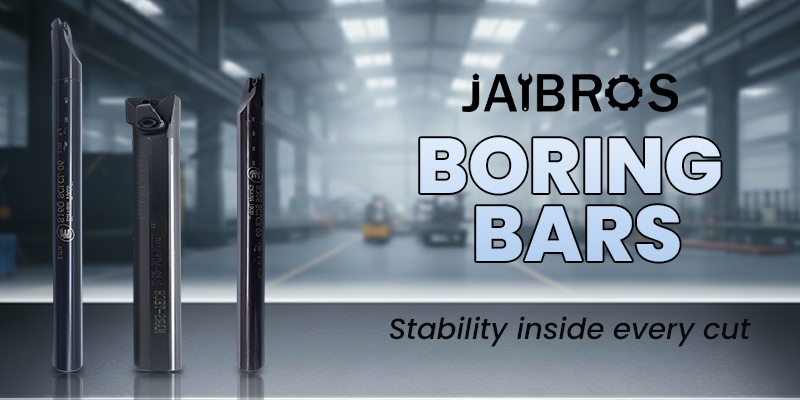
Whether you are working with CNC lathes or machining centers, understanding how to maintain your tooling can improve performance and reduce unnecessary replacement costs.
Why Is Boring Tool Maintenance Important?
During machining, cutting tools are exposed to friction, heat, vibration, and cutting forces. Over time, these conditions can cause edge wear, chipping, deflection, and dimensional inaccuracies.
Proper maintenance of a boring bar helps maintain cutting performance and ensures that holes remain within the required tolerances. It can also reduce unexpected tool failures and improve productivity.
For manufacturers handling continuous CNC operations, routine inspection should be part of the machining process rather than something performed only after a tool starts producing poor results.
1. Inspect the Tool Before Machining
A simple visual inspection can identify many problems before machining begins. Check the cutting edge, insert seat, shank, and other tool components for visible damage.
Look for:
Cracks or chips
Excessive edge wear
Built-up material
Corrosion
Damaged insert seats
Loose components
A damaged boring bar can create vibration and poor surface finishes, even when cutting parameters appear correct. Replacing worn inserts and damaged components before production can prevent larger machining problems.
2. Keep Cutting Edges Clean
Accumulated chips, coolant residue, and material deposits can affect tool performance. Cleaning the cutting area after machining helps maintain proper contact between the insert and tool holder.
When using boring tools, avoid cleaning cutting edges with methods that could damage the insert. Use appropriate cleaning equipment and handle carbide or coated inserts carefully.
Clean tooling also makes it easier to identify wear patterns during regular inspections.
3. Use the Correct Cutting Parameters
Incorrect cutting speed, feed rate, or depth of cut can significantly reduce tool life. Excessive cutting speed can increase heat generation, while an unsuitable feed rate can cause excessive cutting forces.
When using a CNC boring tool, follow the manufacturer's recommended cutting conditions for the insert material, workpiece material, and machining operation.
Parameters should also be adjusted according to the rigidity of the machine and workholding setup. A stable setup allows the tool to perform consistently and reduces unnecessary vibration.
4. Reduce Vibration During Machining
Vibration is one of the most common causes of poor surface finish and premature tool wear during internal machining. Long tool overhangs can make the setup less rigid and increase the possibility of chatter.
To improve stability:
Keep tool projection as short as practical.
Ensure the holder is properly secured.
Use suitable cutting parameters.
Check workpiece clamping.
Select tooling designed for the required hole depth.
A stable boring bar setup can significantly improve surface finish and dimensional consistency.
5. Use Proper Coolant and Lubrication
Heat generated during machining can accelerate cutting-edge wear. Proper coolant application helps control temperature and flush chips away from the cutting area.
Make sure coolant reaches the cutting zone effectively rather than simply being sprayed near the tool. Coolant concentration and cleanliness should also be monitored according to the machining environment.
For some applications, dry machining or minimum quantity lubrication may be appropriate, depending on the workpiece and tooling requirements.
6. Replace Worn Inserts at the Right Time
Using an insert beyond its useful life can negatively affect both productivity and workpiece quality. Excessive wear may increase cutting forces and heat, eventually causing insert failure.
Inspect inserts regularly for flank wear, crater wear, chipping, or deformation. Boring tools should be replaced or indexed when wear reaches the recommended limit rather than waiting for complete failure.
This approach helps maintain consistent machining results and reduces the possibility of producing defective components.
7. Store Tools Properly
Proper storage is another important part of tool maintenance. After machining, clean and dry tooling before placing it into storage.
Avoid throwing inserts or holders into drawers where they can contact other metal components. Store them in dedicated compartments or protective packaging.
For boring tool for CNC applications, organized storage also makes it easier for operators to find the correct tool quickly and prevents accidental damage.
Choosing the Right CNC Boring Tools
Maintenance starts with selecting suitable tooling for the application. Different workpiece materials, hole diameters, depths, and surface-finish requirements may require different tool geometries and insert grades.
When selecting CNC boring tools, consider factors such as tool diameter, machining depth, material compatibility, insert geometry, rigidity, and required tolerance.
The correct combination of tool and cutting parameters can reduce wear and improve machining efficiency.
Conclusion
Regular inspection, proper cleaning, stable machining setups, correct cutting parameters, effective coolant application, and timely insert replacement can significantly improve tool performance. Good storage practices also help prevent avoidable damage between machining operations.
By following a consistent maintenance routine and selecting the right boring bar for each application, manufacturers can achieve better dimensional accuracy, improved surface finish, and more predictable tool life. Proper maintenance ultimately supports efficient CNC machining while reducing unnecessary tooling costs and production interruptions.