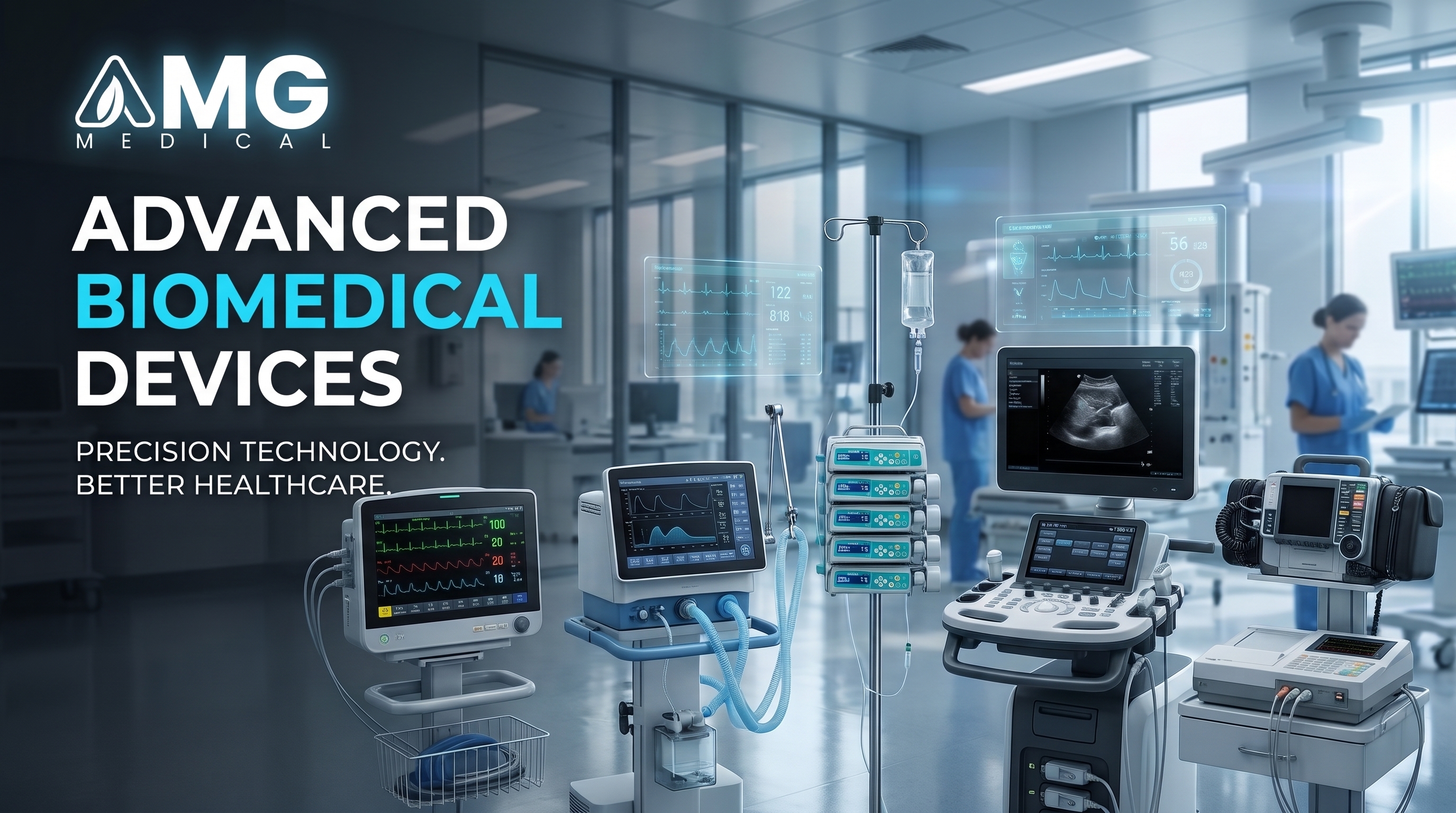
Biomedical devices play an important role in modern healthcare. They help doctors and other medical professionals examine patients, monitor health conditions, support treatment, and perform different medical procedures. From simple tools used during checkups to advanced machines found in hospitals, these devices make many healthcare tasks easier and more effective.
Hospitals, clinics, laboratories, and other medical centers depend on reliable equipment to provide proper care. These devices support healthcare workers in their daily tasks and help them make informed decisions about patient treatment. They are also used alongside Surgical Instruments and other medical tools to support safe and organized procedures.
Understanding the types, uses, and benefits of biomedical devices can help healthcare providers choose suitable products for their facilities. Proper selection, use, and maintenance are important for keeping these devices safe and reliable.
What Are Biomedical Devices?
Biomedical devices are tools, machines, and equipment designed to support medical care. They are used for checking health conditions, finding diseases, monitoring vital signs, and providing treatment. Some devices are simple and easy to operate, while others use advanced technology to perform complex tasks.
Common examples include blood pressure monitors, patient monitors, infusion pumps, ultrasound machines, and ECG machines. Each device has a specific purpose and helps medical staff complete different healthcare tasks.
These products are used in hospitals, emergency rooms, operating rooms, and diagnostic centers. Their main goal is to support patient care and help medical professionals work with better control and accuracy.
Importance of Biomedical Devices in Healthcare
Biomedical devices are important because they help healthcare professionals understand a patient's condition. Doctors use different devices to check body functions and identify possible health problems.
For example, a blood pressure monitor helps measure blood pressure, while an ECG machine records the electrical activity of the heart. Patient monitors can display important information such as heart rate, oxygen levels, and breathing rate.
These tools support medical decisions by providing useful information about a patient's health. They also help healthcare teams observe changes in a patient's condition during treatment.
Types of Biomedical Devices
There are many types of devices used in healthcare, and each category serves a different purpose. Diagnostic devices help doctors examine patients and identify health problems. Ultrasound machines, ECG machines, and imaging systems are common examples.
Monitoring devices are used to observe a patient's health over time. Blood pressure monitors, pulse oximeters, and bedside patient monitors help staff check important body functions.
Therapeutic devices support medical treatment. Infusion pumps, oxygen delivery systems, and other treatment equipment help provide care based on a patient's needs.
Life-support devices are used in critical care settings. Ventilators and other support systems help patients who need assistance with important body functions. These devices require trained staff and careful monitoring.
Uses of Biomedical Devices in Hospitals
Hospitals use biomedical devices in many departments. In emergency rooms, medical staff use monitoring tools to check patients who need quick attention. These devices help staff observe important health signs and respond to changes.
In intensive care units, patient monitors and ventilators support the care of seriously ill patients. In diagnostic departments, imaging and testing equipment help doctors examine the body and understand medical conditions.
Operating rooms also depend on different types of medical equipment. These may be used together with Surgical equipment to support procedures and maintain a controlled working environment. The exact equipment required depends on the operation and the patient's needs.
Role in Patient Monitoring
Patient monitoring is one of the main uses of biomedical technology. Monitoring devices help healthcare professionals observe important body functions and notice changes during treatment.
A pulse oximeter measures oxygen saturation and pulse rate. A blood pressure monitor checks blood pressure, while an ECG machine records heart activity. In hospitals, bedside monitors can display several measurements at the same time.
Regular monitoring helps medical teams follow a patient's condition. However, devices must be used correctly, and their readings should always be understood by trained healthcare professionals.
Benefits of Biomedical Devices
One major benefit of these devices is that they provide useful information about a patient's health. This information can help doctors assess conditions and plan suitable care.
They can also support better organization in healthcare facilities. When staff have access to suitable equipment, they can complete many tasks in a clear and planned way.
Some devices help reduce the need for repeated manual checks by displaying measurements continuously. This can be useful in areas where patients need close observation.
Another benefit is that many devices support early detection of changes in health conditions. However, equipment does not replace medical judgment. Doctors must consider device readings along with symptoms, examinations, and other medical information.
Biomedical Devices and Surgical Care
Biomedical technology is closely linked with surgical care. Operating rooms use different devices to support patient monitoring, anesthesia, and other parts of a procedure.
Medical teams may use patient monitors to observe vital signs during surgery. Other equipment supports breathing, fluid delivery, and the safe operation of the surgical area.
Surgical Instruments have a different role because they are used directly by surgeons to perform specific tasks. Surgical equipment includes the larger devices and systems that support the procedure. Both are important parts of a properly prepared operating room.
Importance of Quality and Safety
The quality of medical devices is important because healthcare professionals depend on them for patient care. Poorly made or damaged equipment may not work as expected and can affect the quality of medical services.
Healthcare facilities should select products that meet relevant safety and quality requirements. They should also review product information, operating instructions, and maintenance needs before purchasing equipment.
Staff training is another important part of safe use. Healthcare workers should understand how to operate each device and how to respond if it shows an error or stops working.
Cleaning, Testing, and Maintenance
Regular cleaning and maintenance help keep biomedical devices in good working condition. Each device should be cleaned according to the manufacturer's instructions and the hospital's approved procedures.
Some equipment also requires regular testing and calibration to check whether it provides accurate readings. Qualified biomedical technicians can inspect devices, identify faults, and arrange repairs when needed.
Hospitals should keep maintenance records and follow recommended service schedules. Damaged equipment should be checked before it is returned to use. Proper care can help extend the working life of devices and support patient safety.
Choosing the Right Biomedical Devices
Choosing suitable equipment depends on the needs of the healthcare facility. A small clinic may need basic diagnostic and monitoring tools, while a large hospital may require advanced systems for emergency care, surgery, and intensive care.
Buyers should consider the device's purpose, quality, ease of use, service support, and maintenance needs. They should also check whether replacement parts and technical support are available.
Working with a reliable medical equipment supplier can help healthcare facilities understand product features and choose equipment that meets their needs.
Conclusion
Biomedical devices are an important part of modern healthcare. They support diagnosis, patient monitoring, treatment, and surgical care. Different types of equipment help medical professionals examine patients, follow health conditions, and provide suitable treatment.
Their benefits depend on correct selection, trained use, regular testing, and proper maintenance. When healthcare facilities invest in suitable equipment and follow safety procedures, they can support organized medical services and reliable patient care.
More Info: Amg Medical