Cambodia brings together ancient history, Buddhist belief, traditional arts, local food and everyday village life, and the mix makes for a really distinctive trip. You can walk through magnificent Khmer temples, watch Buddhist traditions up close and browse busy local markets, in places such as Siem Reap, Phnom Penh, Battambang and the countryside, with centuries of history behind each experience.
Cambodia tour packages from Dubai can take you beyond the famous sites to temple visits, traditional dance, Cambodian food, handicrafts, floating villages and time with local communities. If you learn a little about local customs and follow them respectfully, the trip becomes much more rewarding, and you'll come home with a better feel for the country's heritage and way of life. Here are the best cultural experiences to have in Cambodia.
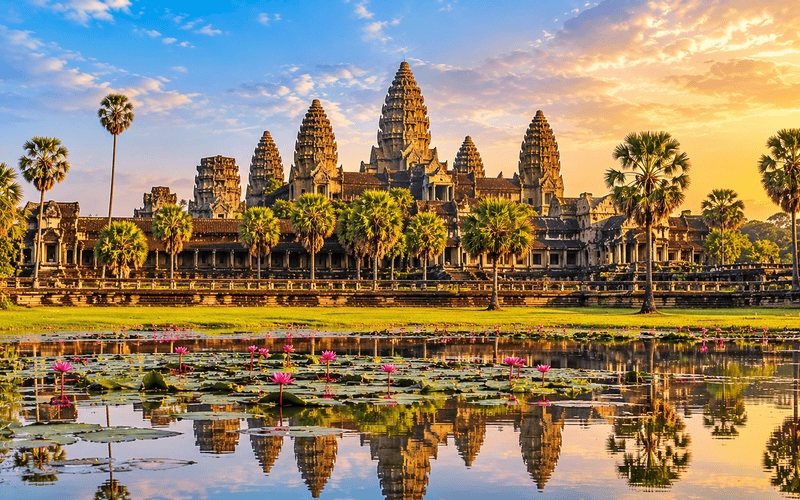
Visit the Temples of Angkor
For many travellers, the temple complex of Angkor near Siem Reap is the most unforgettable cultural experience in Cambodia. It was once the centre of the Khmer Empire and is now a UNESCO World Heritage Site, with temples, monuments, reservoirs and archaeological remains spread over a large area. Angkor Wat is the most famous, but other temples in the complex show different sides of Khmer architecture and religious history.
As you explore, look out for the fine carvings, long stone galleries, tall towers and religious scenes. At Bayon Temple, the giant carved faces watch over you, and at Ta Prohm, tree roots wrap around the ruins. It's worth learning what these temples mean, since the visit is far richer than a round of photos. You'll need an Angkor pass, and temples such as Angkor Wat expect your shoulders and knees to be covered.
Watch Khmer Classical Dance
Traditional dance is a key part of Cambodian culture. Khmer classical dance, recognised by UNESCO, is known for graceful movements, elaborate costumes, symbolic gestures and carefully developed choreography. Many of the stories come from mythology, religious belief and the Reamker, Cambodia's version of the Ramayana. You may also see the famous apsara dance.
In Siem Reap and other visitor destinations, you can watch cultural performances. The hand movements and facial expressions carry much of the meaning, so it helps to learn a little before you watch. A traditional dance show is a great way to see how Cambodia's performing arts are still being passed down to new audiences.
Taste Cambodian Cuisine
Food is a big part of Cambodian culture. Rice, fresh vegetables and herbs, freshwater fish, coconut and spices form the base of many dishes. Amok, a fragrant fish curry with coconut milk and spices that's often steamed in banana leaf, is the best-known example. Lok lak, stir-fried beef with a peppery lime dipping sauce, is another favourite, and you'll also find noodle soups such as kuy teav at local restaurants and food stalls.
Eating in local neighbourhoods adds a lot. You can see how ingredients are chosen and prepared, and spot unfamiliar produce you won't have seen back home. Eating traditional food with an open mind and a bit of respect is one of the easiest ways to feel part of everyday life in Cambodia.
Wander Through Local Markets
Markets give you a direct view of how Cambodian communities live day to day. In Phnom Penh and Siem Reap, you'll find fresh produce, clothing, souvenirs, handicrafts, spices, snacks and household goods. The Central Market and the Russian Market in Phnom Penh and the Old Market in Siem Reap are popular places to start. Markets aren't just for tourists. They're where local people buy what they need and meet one another.
A market visit also introduces you to traditional products and regional specialities. Silk, handmade crafts, carved items and woven goods all make meaningful souvenirs. Be polite when you shop. Bargaining is common in tourist markets but not everywhere, so keep it friendly. US dollars are widely used alongside the Cambodian riel, so it helps to carry small notes.
Discover Khmer Handicrafts
Handicrafts are a long-standing Cambodian tradition, including silk weaving, pottery, stone carving and basketry. A visit to a workshop or craft centre shows you how the pieces are made and the skill behind them.
Some experiences let you watch artisans working with traditional materials or try a simple craft yourself, which gives a closer link to Cambodia's creative culture. Buying locally made products also supports artisans and small businesses, especially if you choose genuine handmade goods over mass-produced souvenirs.
Visit Buddhist Temples and Learn Local Traditions
Buddhism plays a big part in Cambodian life. You'll see temples, monks, religious art and ceremonies across the country, and in Phnom Penh, at Wat Phnom and elsewhere, you can see how religion fits into daily routines.
Visit quietly and respectfully. Cover your shoulders and knees at religious sites, and pay attention to signs and local guidance on photography, footwear and restricted areas. Avoid pointing your feet at Buddha images, and women should not touch monks. Following these habits makes your visit more respectful and welcome.
Meet the Floating Villages of Tonlé Sap
The villages around Tonlé Sap lake offer a different kind of experience. Floating and stilted settlements are shaped by the lake's changing water level, which rises in the wet season and shrinks in the dry season. The people who live there include Khmer, Vietnamese and Cham communities, and fishing has been a way of life here for generations. Houses, boats, schools and shops all show how people adapt to the water.
Remember that these are real communities, not just attractions, so be respectful and take photos sensitively. Some tours are very commercial, so choose a responsible operator. Learning about local livelihoods and environmental issues helps you appreciate life on one of Southeast Asia's largest freshwater lakes.
Explore Phnom Penh's Cultural Heritage
Phnom Penh, Cambodia's capital, mixes old history with modern city life. The Royal Palace and the Silver Pagoda show different sides of Cambodian history, architecture, religion and the arts. The National Museum is especially good for Khmer art and archaeology, and its sculptures give helpful context for what you see at the temples of Angkor, so visiting both Phnom Penh and Siem Reap gives a fuller picture of the country's history and culture.
To understand more recent history, many visitors also go to the Tuol Sleng Genocide Museum and the Choeung Ek Genocidal Center, which document the Khmer Rouge period from 1975 to 1979. These are sombre places that call for quiet, respectful behaviour.
Experience Village Life
Outside the big cities you'll find another side of Cambodian culture. Rural areas tend to keep a stronger connection to traditional cooking, farming, community events and family life. In the countryside you can see rice fields, traditional houses, farms and small villages.
Cultural tourism in rural areas should be responsible. Don't treat local people as attractions, and ask permission before photographing people or their property. Choosing locally run tours, restaurants, workshops and guesthouses helps make sure the benefits stay in the community.
Join a Cambodian Festival
Festivals are a great way to experience Cambodian traditions in a lively atmosphere. Khmer New Year, held in mid-April, is one of the most important. Families get together, homes are decorated, traditional games are played and there are religious and social events. Pchum Ben, usually in September or October, is a period for remembering ancestors and making offerings.
Bon Om Touk, the Water Festival, is another major celebration, known for traditional boat races, especially in Phnom Penh. Dates and events change from year to year, so check local schedules before you plan a trip around a festival. Cities can also get very busy and many businesses close during the biggest holidays, so book transport and hotels early.
Understand the Meaning Behind Khmer Architecture
Cambodian architecture reflects both the country's history and its beliefs. The layout, towers, sculptures, bas-reliefs and decoration of its temples often carry cultural meaning, which a knowledgeable guide can bring to life.
Take your time to study the details and the stories in the temple carvings instead of hurrying between sights. It turns a sightseeing trip into a cultural one and helps you appreciate what Khmer civilisation achieved.
Conclusion
The best cultural experiences in Cambodia go far beyond visiting famous monuments. Old temples, traditional dance, local food, markets, handicrafts, Buddhist customs and village life together give you a much wider picture of the country. Each one shows a different side of Cambodia's heritage and how its history shapes the present.
Rather than sticking to the most popular tourist stops, try mixing the big sights with local tours and activities. You'll learn more about the country's history, traditions, food, arts and people, and you'll do it in a way that respects the communities you visit.