
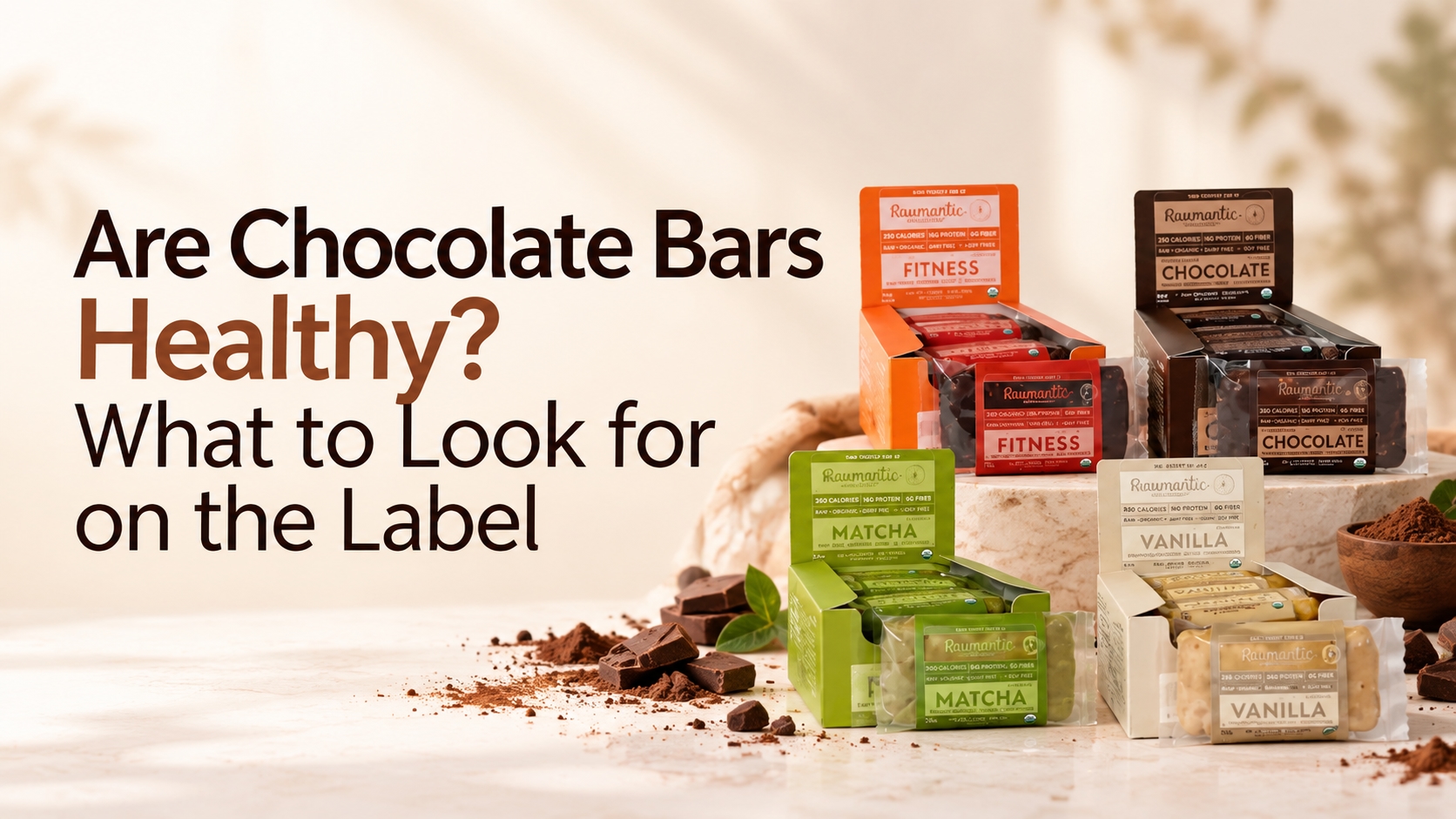
Chocolate bars vary widely. Some contain little more than cocoa, cocoa butter, and a small amount of sugar. Others combine caramel, cookie pieces, and syrups with a thin layer of chocolate. Because of this range, the answer depends on the product. Healthy chocolate bars generally share a few traits: a high cocoa content, limited added sugar, and a short ingredient list. This article explains how to read a label and what each part means.
Do Chocolate Bars Offer Any Nutritional Value?
Cocoa solids contain flavanols, which are plant compounds studied for their effects on blood vessels and blood pressure. Cocoa also provides small amounts of fiber, iron, magnesium, copper, and manganese. The amounts depend on how much cocoa a bar contains and how the cocoa was processed. Alkalizing, often called Dutch processing, darkens cocoa and softens its flavor, but it also lowers flavanol levels.
Research on cocoa and heart health is still developing, and the results are mixed. Many studies use concentrated cocoa extracts instead of finished candy, so their findings do not apply directly to a chocolate bar. Chocolate also contains calories, saturated fat, and often added sugar. A balanced view considers both sides.
What to Check on a Chocolate Bar Label
Serving Size and Calories
The Nutrition Facts panel lists values for one serving, which is often only a portion of the bar. A bar that looks like a single portion may hold two or three servings. Multiply the numbers on the panel by the number of servings eaten. For reference, USDA data shows that one ounce of dark chocolate with 70 to 85 percent cocoa contains roughly 170 calories.
Added Sugars
Added sugars appear as a separate line on the panel. The FDA sets the Daily Value for added sugars at 50 grams. The Dietary Guidelines for Americans recommend keeping added sugars under 10 percent of daily calories. A bar with 8 to 10 grams of added sugar per serving uses a modest share of that limit. A bar with 20 grams or more uses a large share in a few bites. On the ingredient list, sugar may appear as cane sugar, glucose syrup, honey, or coconut sugar.
Saturated Fat
Cocoa butter is naturally high in saturated fat, so even simple chocolate contains some. Dark chocolate with 70 percent cocoa often has about 6 to 8 grams per ounce. The Daily Value for saturated fat is 20 grams. Bars that add palm oil or other fats may contain more saturated fat and can differ in texture and melting point.
Cocoa Percentage
The percentage on the front of a bar shows how much of its weight comes from cocoa ingredients, including cocoa solids and cocoa butter. A higher percentage usually leaves less room for sugar and milk. The FDA does not require this number on labels, so manufacturers decide whether to print it. Bars sold as dark chocolate commonly range from 60 to 90 percent cocoa. Higher percentages taste more bitter, which is a practical reason many people choose a moderate level.
The Ingredient List
Ingredients are listed by weight, from most to least. Healthy chocolate bars typically list cocoa mass, cocoa butter, or cacao beans first, with sugar after. A short list is easier to evaluate. Common additions include soy lecithin, an emulsifier that improves texture, and vanilla. Long lists with corn syrup, artificial flavors, or several added oils point to a more processed product.
Other Label Details
Labels also name allergens such as milk, soy, tree nuts, and peanuts. People with allergies should read any shared facility statement as well. Chocolate contains caffeine and theobromine, which are mild stimulants, and darker bars hold more of them.
Heavy metals deserve attention too. In 2022, Consumer Reports tested 28 dark chocolate bars and found lead and cadmium in every one, with many above its suggested limits. Cocoa plants can absorb cadmium from soil, and lead can reach beans after harvest. Labels do not list these metals, so independent test results and brand disclosures are the best sources. Some brands, including Rawmantic® Chocolate, publish ingredient details for their dark chocolate bars, which lets readers apply the same label checks before buying.
Certifications such as Fair Trade or Rainforest Alliance describe sourcing practices. They do not describe nutrition.
Dark Chocolate, Milk Chocolate, and White Chocolate Compared
Dark chocolate contains cocoa solids, cocoa butter, and sugar, with little or no milk. Of the three types, it holds the most flavanols, which is why dark chocolate appears most often in nutrition research. Milk chocolate adds milk powder and more sugar, so its cocoa content is lower, often between 10 and 40 percent. White chocolate contains cocoa butter, sugar, and milk solids but no cocoa solids, so it provides no flavanols.
Sugar content usually follows the same order. A one-ounce serving of milk chocolate commonly has about twice the sugar of a 70 percent dark chocolate bar. Among healthy chocolate bars, versions with at least 70 percent cocoa are the most common choice for this reason. Still, a dark chocolate bar filled with caramel or marshmallow can contain as much sugar as a milk chocolate bar, so the panel matters more than the type name.
How Chocolate Fits Into a Balanced Diet
Even bars with strong labels are energy dense. Dietitians commonly suggest treating chocolate as a small portion within an overall pattern that includes vegetables, fruits, whole grains, and lean protein. One ounce, or about one to two squares, adds flavor without displacing other foods. Choosing healthy chocolate bars does not remove the need for portion awareness.
People with diabetes, migraines, acid reflux, or caffeine sensitivity may need to adjust how much chocolate they eat. A healthcare provider can give advice based on individual needs.
Summary
Whether a chocolate bar is healthy depends on its ingredients and portion size, not on the word "chocolate." Front-of-package claims such as natural or superfood do not replace the Nutrition Facts panel and the ingredient list. The most useful checks are serving size, added sugars, saturated fat, cocoa percentage, and the order of ingredients. Anyone comparing healthy chocolate bars can use these points to make a clear, informed decision. Because heavy metal content does not appear on labels, brand testing information is worth reviewing as well.