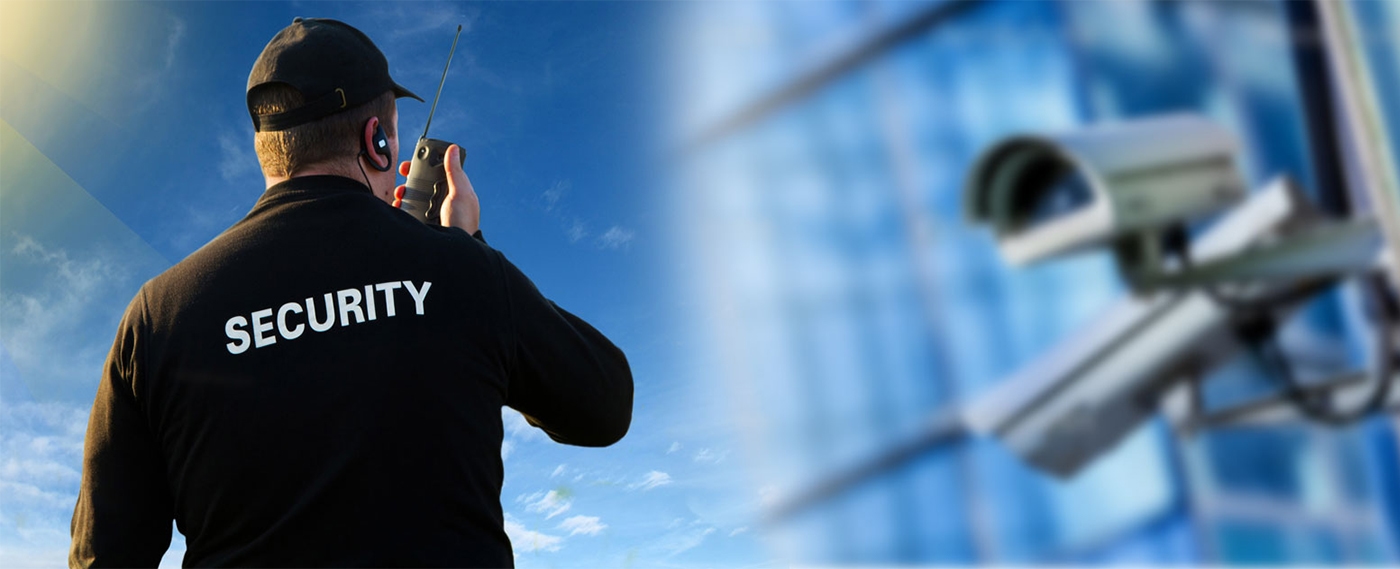
Commercial properties face security risks even after employees, customers, and visitors have left for the day. Offices, retail stores, warehouses, industrial facilities, and construction sites can become vulnerable to unauthorized entry, theft, vandalism, trespassing, and property damage during evenings, weekends, and holidays.
Without regular supervision, suspicious activity may go unnoticed until the next business day. By that time, valuable equipment may be missing, entrances may be damaged, or operational disruptions may have already occurred.
Remote video surveillance provides businesses with an additional way to monitor their properties outside normal operating hours. When supported by trained monitoring personnel, suitable camera placement, and clear response procedures, it can help identify potential threats and improve security awareness.
Understanding how remote surveillance works can help commercial property owners make informed decisions about protecting their buildings and assets.
1. Provides Continuous Security Monitoring After Business Hours
One of the main advantages of remote video surveillance is the ability to monitor commercial properties when they are not occupied. Traditional security arrangements may rely on periodic physical inspections, alarm notifications, or employees checking the premises before leaving.
Video surveillance adds another layer by allowing designated personnel to observe activity around important areas of a property.
Businesses can use cameras to monitor:
Main entrances and emergency exits.
Parking lots and vehicle access points.
Loading docks and delivery areas.
Storage rooms and inventory sections.
Building perimeters and exterior walkways.
Restricted areas containing valuable equipment.
Strategically positioned cameras help provide visibility into locations that may otherwise be difficult to supervise. This is particularly useful for properties with multiple entrances, large outdoor spaces, or limited overnight staffing.
However, continuous camera recording and live monitoring are not necessarily the same service. Businesses should confirm whether their system is simply recording footage or whether trained personnel actively review video feeds and respond to alerts.
2. Helps Identify Suspicious Activity Earlier
After-hours incidents can begin with relatively minor activity, such as an individual repeatedly approaching a restricted entrance, a vehicle stopping near a loading area, or someone attempting to access a secured building.
Remote surveillance can help identify unusual activity before it develops into a more serious incident.
Modern systems may use motion detection, video analytics, intrusion alerts, and other features to highlight activity in selected areas. Depending on the system configuration, alerts can be sent to authorized personnel for review.
For example, a business may establish monitoring rules for:
Movement near entrances after closing.
Activity around restricted storage areas.
Unauthorized access attempts.
Vehicles entering designated areas outside approved hours.
Unusual activity around high-value equipment.
These alerts can help monitoring personnel assess situations and follow the appropriate response procedures.
It is important to remember that an alert does not automatically indicate a security incident. Weather, animals, lighting changes, and routine property activity can sometimes trigger notifications. Proper system configuration and human review help reduce unnecessary responses.
3. Supports Theft and Vandalism Prevention
Commercial properties may contain expensive equipment, merchandise, tools, electronics, vehicles, and building materials. These assets can attract unwanted attention, particularly when facilities remain unoccupied for extended periods.
Visible cameras may discourage some unauthorized activity by increasing the likelihood that suspicious behaviour will be observed or recorded. If an incident occurs, recorded footage may also help authorized personnel review what happened.
Professional CCTV monitoring services can support businesses by providing video oversight of important property areas. Depending on the service arrangement, monitoring personnel may review live footage, assess alerts, and follow established escalation procedures.
For better coverage, businesses should consider camera placement carefully. Cameras should provide useful views of entrances, vulnerable exterior areas, and important assets without creating unnecessary blind spots.
Regular maintenance is equally important. Dirty lenses, poor lighting, damaged equipment, and connectivity problems can reduce the effectiveness of surveillance systems.
4. Improves Security at Large Commercial Properties
Large commercial properties can be difficult to supervise using physical security personnel alone. Warehouses, distribution centres, industrial facilities, and multi-building commercial sites may have extensive perimeters and several access points.
Remote surveillance can help extend visibility across these locations without requiring personnel to remain physically present at every area.
For example, a warehouse may use cameras to monitor loading docks, inventory storage sections, vehicle entrances, and exterior fencing. A commercial office complex may prioritize reception entrances, underground parking, service corridors, and restricted access areas.
Businesses should identify high-risk locations through a property assessment and select camera positions based on actual security requirements.
A well-designed system should also consider:
Camera resolution and image quality.
Night-time visibility and suitable lighting.
Network connectivity and backup arrangements.
Secure storage of recorded footage.
Access permissions for authorized users.
Maintenance and system testing schedules.
Remote monitoring is most effective when it forms part of a wider property security plan rather than being installed without clear objectives.
5. Enables Faster Assessment Through Live Video Monitoring
Recorded footage is useful for reviewing incidents after they happen, but live monitoring can provide an additional advantage by allowing activity to be assessed while it is taking place.
With live video monitoring services, trained monitoring personnel can observe selected camera feeds, review suspicious activity, and follow agreed response procedures when necessary.
For example, if a person is detected near a restricted entrance after closing, monitoring personnel may review the footage to determine whether the activity appears authorized or requires further attention.
Depending on the service arrangement, response procedures may include:
Reviewing the camera feed or alert.
Assessing the activity and available information.
Following approved communication or warning procedures.
Contacting designated property representatives.
Requesting on-site assistance or contacting emergency services when appropriate.
Documenting the event for further review.
The exact response depends on the provider's capabilities, the agreed monitoring protocol, and the nature of the incident. Businesses should clarify response times, escalation contacts, and emergency procedures before selecting a monitoring service.
6. Combines Video Surveillance With Mobile Security Patrols
Although remote video surveillance provides valuable visibility, cameras cannot physically inspect a damaged door, secure an open entrance, or investigate every situation on the property.
Combining video monitoring with physical security patrols can help address this limitation.
A mobile security patrol company can provide scheduled or risk-based inspections of commercial properties. Patrol personnel may check doors, windows, gates, parking areas, and other vulnerable locations while reporting suspicious activity or visible damage.
When integrated with remote surveillance, these services can complement one another:
Cameras help monitor activity across selected areas.
Monitoring personnel assess alerts and unusual behaviour.
Mobile patrols provide physical inspections.
On-site personnel can report conditions that cameras cannot fully assess.
Property managers receive information about incidents and security concerns.
For businesses with large outdoor areas or multiple buildings, this combination can provide broader coverage than relying on cameras or periodic patrols alone.
7. Helps Protect Employees, Contractors, and Service Personnel
Some commercial properties operate beyond standard business hours. Cleaning teams, maintenance workers, delivery personnel, and overnight employees may need to access buildings when most staff members are absent.
Remote video surveillance can help businesses maintain awareness of activity around authorized entrances and designated work areas.
For example, monitoring may help identify unexpected visitors, unauthorized vehicle access, or unusual activity near employee entrances. Businesses can also use access-control procedures to ensure that individuals entering after hours have appropriate authorization.
However, surveillance should be implemented responsibly. Employers should communicate relevant monitoring policies, respect employee privacy, and follow applicable privacy legislation. Camera placement should focus on legitimate security purposes rather than unnecessarily monitoring private areas.
8. Supports Incident Investigation and Security Documentation
When theft, vandalism, unauthorized entry, or property damage occurs, businesses need accurate information to understand what happened.
Recorded video may help authorized personnel establish timelines, identify areas involved, and review activity before and after an incident.
Useful footage can support:
Internal security investigations.
Incident reports and management reviews.
Insurance documentation, where accepted.
Identification of recurring security weaknesses.
Improvements to access-control procedures.
Businesses should establish clear policies for video retention, access permissions, secure storage, and footage sharing. They should also ensure that recordings are retained and disclosed in accordance with applicable legal requirements and privacy policies.
9. Choose a Remote Surveillance Solution That Matches Your Property
Not every commercial property requires the same surveillance setup. A small office may need cameras covering its main entrance and parking area, while a warehouse may require extensive perimeter coverage, multiple camera types, and active monitoring.
Before selecting a solution, property owners should evaluate:
The size and layout of the property.
Existing cameras and security equipment.
Vulnerable entrances and high-value assets.
Required monitoring hours.
Internet connectivity and power reliability.
Alert management and incident escalation procedures.
Integration with alarms, access control, and patrol services.
Privacy, data protection, and footage retention requirements.
Businesses should also ask providers whether monitoring is performed by trained personnel, how alerts are assessed, and what actions are taken when suspicious activity is detected.
A professional security assessment can help determine which combination of technology and physical security provides appropriate coverage.
Conclusion
Remote video surveillance can play an important role in protecting commercial properties after business hours. By providing visibility into entrances, parking areas, storage spaces, and building perimeters, it helps businesses identify suspicious activity, support theft prevention, and review incidents more effectively.
However, cameras alone cannot address every security risk. Combining remote monitoring with access-control procedures, regular maintenance, and mobile security patrols can create a more comprehensive approach to commercial property protection.
For business owners and property managers, the most effective solution is one that matches the property's actual risks, operating schedule, and security requirements. With suitable technology and clear response procedures, businesses can improve after-hours awareness and protect their assets more confidently.