Introduction: A Simple Practice With Deeper Benefits
What if a few minutes of yoga each morning could help you move your body, focus your mind, and feel more connected with yourself? Surya Namaskar, also known as Sun Salutation, is a traditional yoga sequence that combines physical postures, breathing, and mindful movement. For those exploring a Yoga retreat in Bali, learning Surya Namaskar can be a meaningful first step towards building a healthier lifestyle and understanding the deeper side of yoga.
At Bali Yoga Retreats, yoga can be explored as more than a series of physical exercises. The practice also encourages self-awareness, patience, and discipline. Whether you are a beginner or an experienced practitioner, understanding the benefits of Surya Namaskar can help you appreciate how this simple sequence may support both physical fitness and personal growth.
What Is Surya Namaskar?
Surya Namaskar is a sequence of yoga postures traditionally performed in a flowing order. The Sanskrit word Surya means sun, while Namaskar means salutation or greeting. The practice is associated with respect for the sun as a source of light, warmth, and life.
A commonly taught version includes 12 positions that move the body through forward bends, gentle backbends, lunges, and supported movements on the floor. These movements are usually coordinated with inhalation and exhalation.
However, Surya Namaskar is not only about moving from one pose to another. Many yoga traditions also connect it with mantra, concentration, and meditation. This combination makes the practice interesting for people who want to develop their physical abilities while exploring yoga's traditional philosophy.
7 Benefits of Surya Namaskar for Physical and Spiritual Growth
1. Improves Flexibility and Keeps the Body Moving
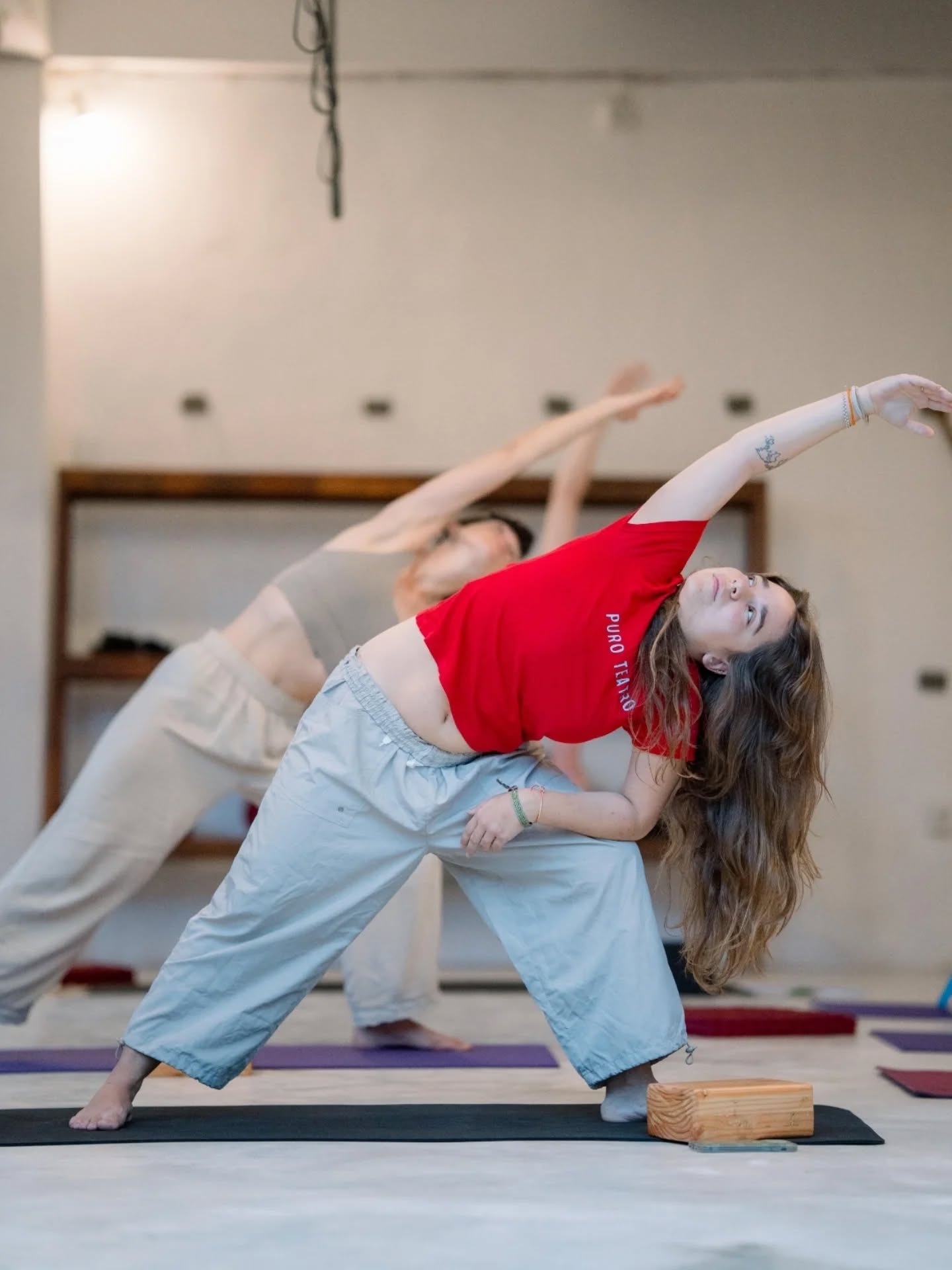
One of the most noticeable benefits of Surya Namaskar is the way it moves different parts of the body through a variety of positions.
During the sequence, you bend forwards, stretch upwards, step into lunges, and gently extend your spine. These movements involve the shoulders, hips, legs, back, and other muscle groups. Regular practice may help improve flexibility and make everyday movements feel more comfortable.
For example, people who spend long hours sitting at a desk may find that gentle yoga movements provide a useful way to introduce more movement into their day. Forward bends involve the backs of the legs, while lunges move the hips through a different range of motion.
The important thing is to avoid forcing your body. You do not need to touch your toes or straighten your legs completely to benefit from practising. Bend your knees, use yoga blocks, and adjust each position to suit your current ability.
How it supports personal growth: Learning to respect your body's limits teaches patience. Instead of expecting immediate results, you begin to understand that physical improvement happens gradually through regular and appropriate practice.
2. Builds Strength and Improves Body Awareness
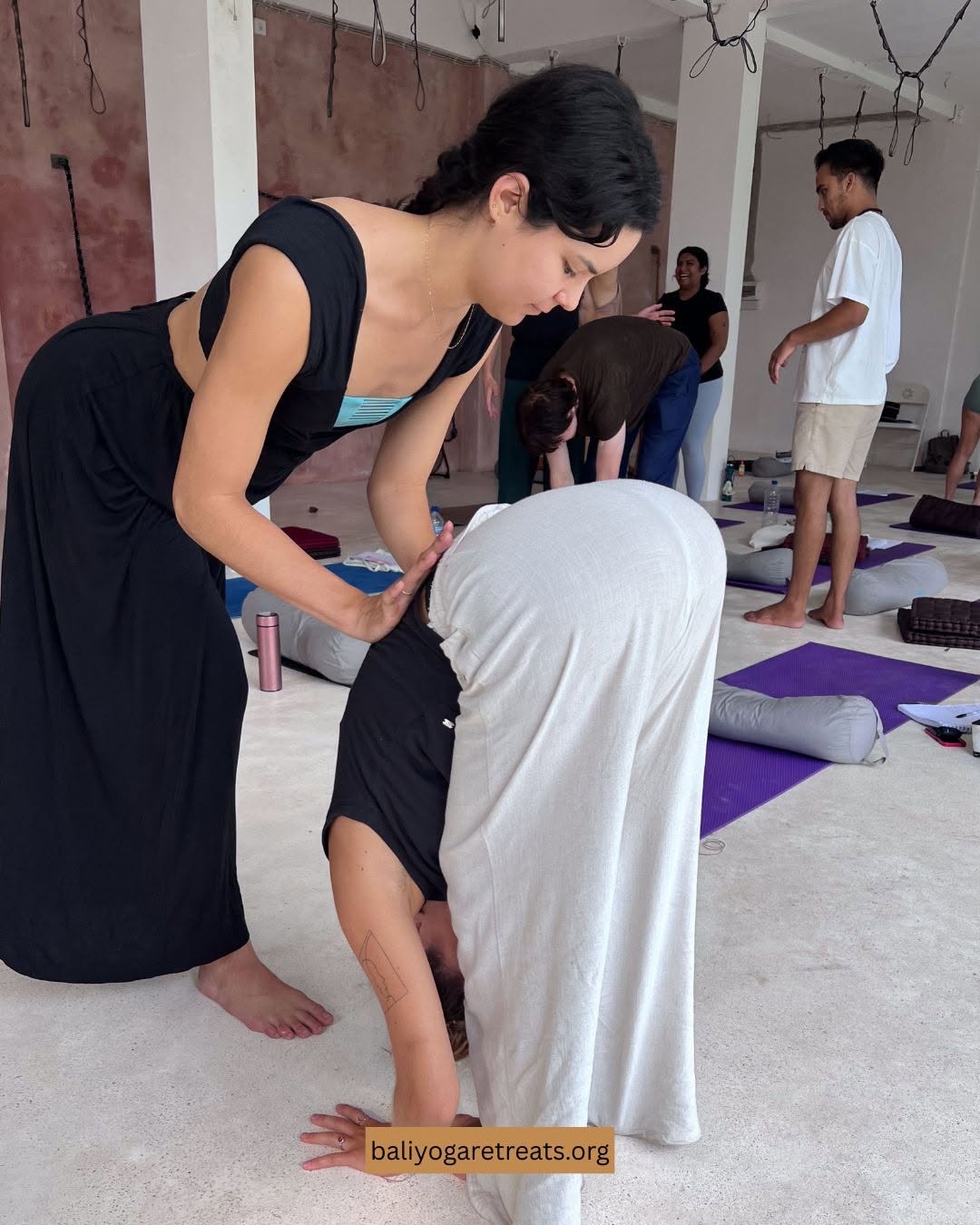
Although Surya Namaskar is often described as a stretching routine, it also requires strength and control.
When you move into Mountain Pose, your arms and shoulders support part of your body weight. Cobra Pose involves the muscles of the back, while lunges engage the legs and hips. Moving smoothly between the positions also requires coordination and stability.
The physical challenge depends on the variation you practise. A slow, modified sequence may be suitable for beginners, while a faster version can require greater muscular endurance.
Practising carefully can also help you understand how your body moves. You may begin noticing when your shoulders become tense, when your balance shifts, or when a posture feels uncomfortable.
This awareness is useful because it encourages you to make adjustments rather than pushing through every movement.
How it supports personal growth: Strength is not only about how much physical effort you can produce. It also involves learning control, respecting your limits, and becoming more aware of your own abilities.
3. Supports General Fitness and Physical Energy
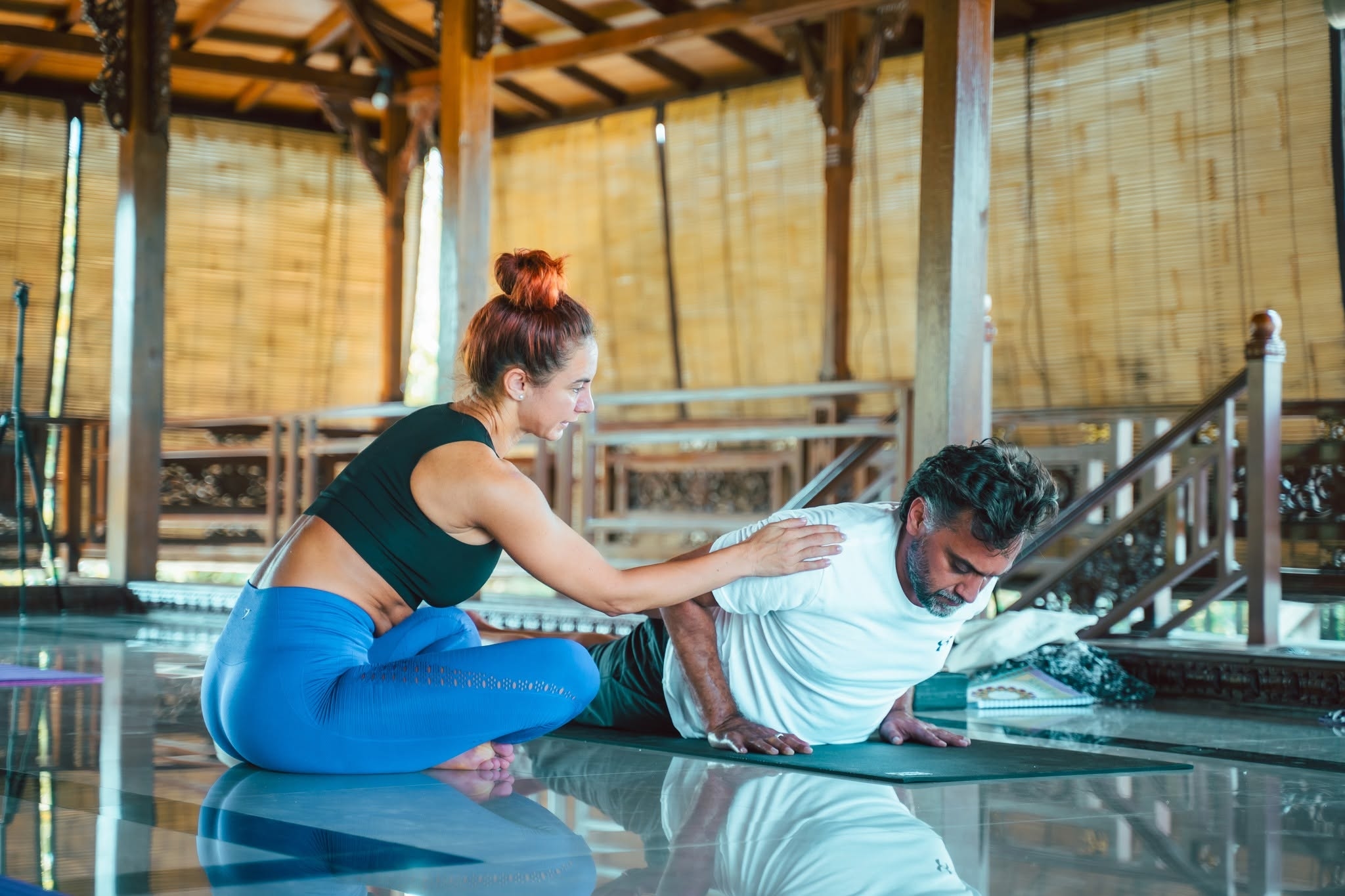
Surya Namaskar can provide a convenient way to include movement in your daily routine. When performed continuously at a suitable pace, it may raise your heart rate and contribute to general physical activity.
The intensity depends on several factors, including your speed, the number of rounds, the version of the sequence, and your fitness level. A slow, meditative practice will have different physical demands from a faster flow.
Some people prefer practising in the morning because it gives their day a structured beginning. Others choose a time that fits more comfortably into their schedule.
It is important not to assume that completing a particular number of rounds will automatically lead to weight loss or prevent illness. Overall health is influenced by several factors, including nutrition, sleep, other forms of exercise, and individual circumstances.
How it supports personal growth: A regular yoga routine can help you develop discipline. Making time for movement, even when your schedule is busy, encourages you to treat your wellbeing as an ongoing priority.
4. Encourages Better Breathing and Mental Focus
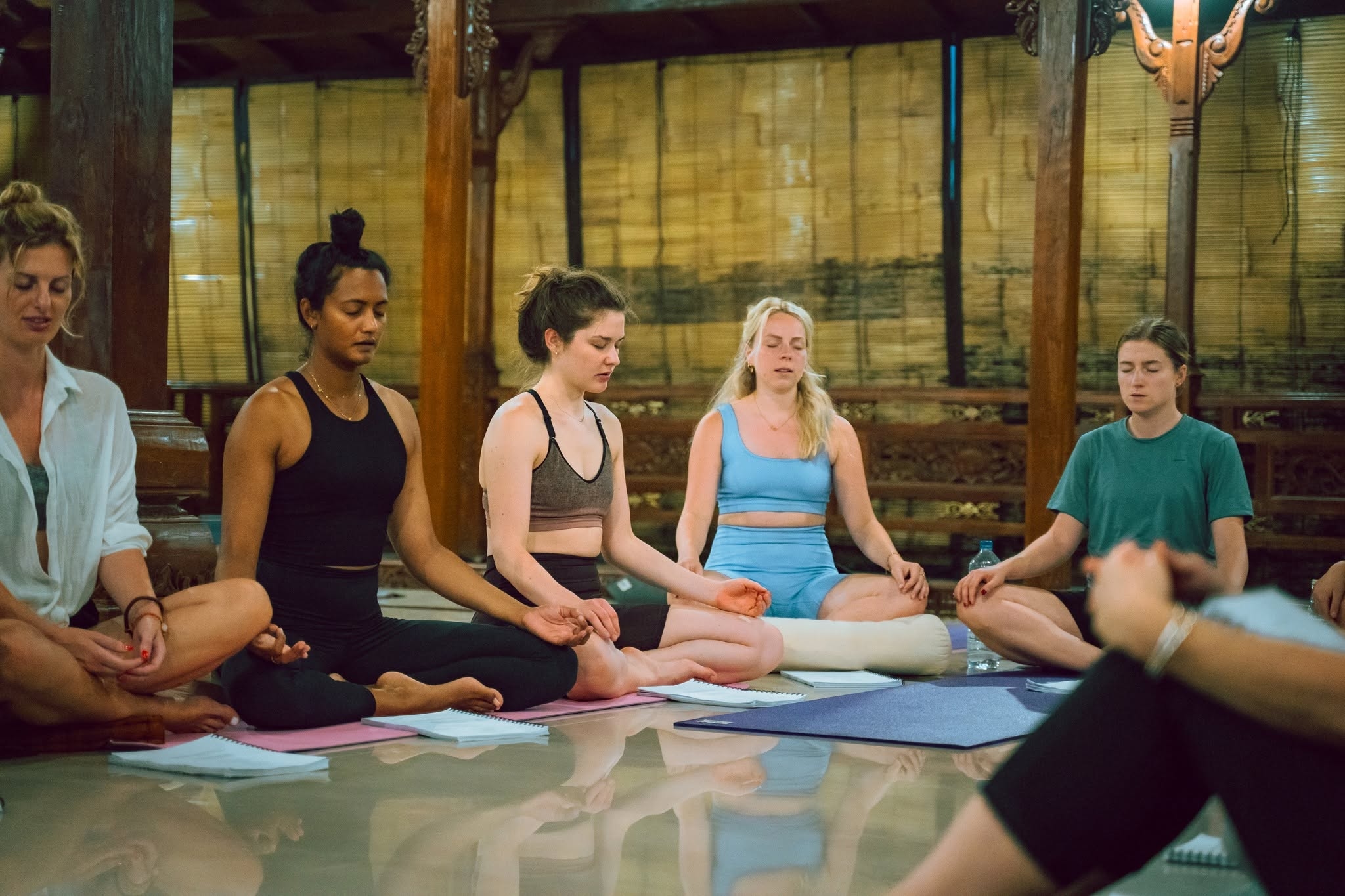
In Surya Namaskar, breathing is usually coordinated with movement. You may inhale as you raise your arms, exhale during a forward bend, and continue breathing smoothly as you move through the remaining positions.
This coordination gives your attention something practical to follow. Rather than thinking about several tasks at once, you can focus on the movement you are performing and the breath that accompanies it.
Over time, this may help you become more aware of your breathing habits and how your body responds to physical activity.
However, breathing should never become forced. If you feel breathless or uncomfortable, slow down, pause, and allow your breathing to return to normal.
How it supports personal growth: Paying attention to your breath can encourage you to pause before reacting automatically to distractions. It creates an opportunity to practise patience and bring your attention back to the present moment.
5. Helps Develop Mindfulness and Emotional Awareness
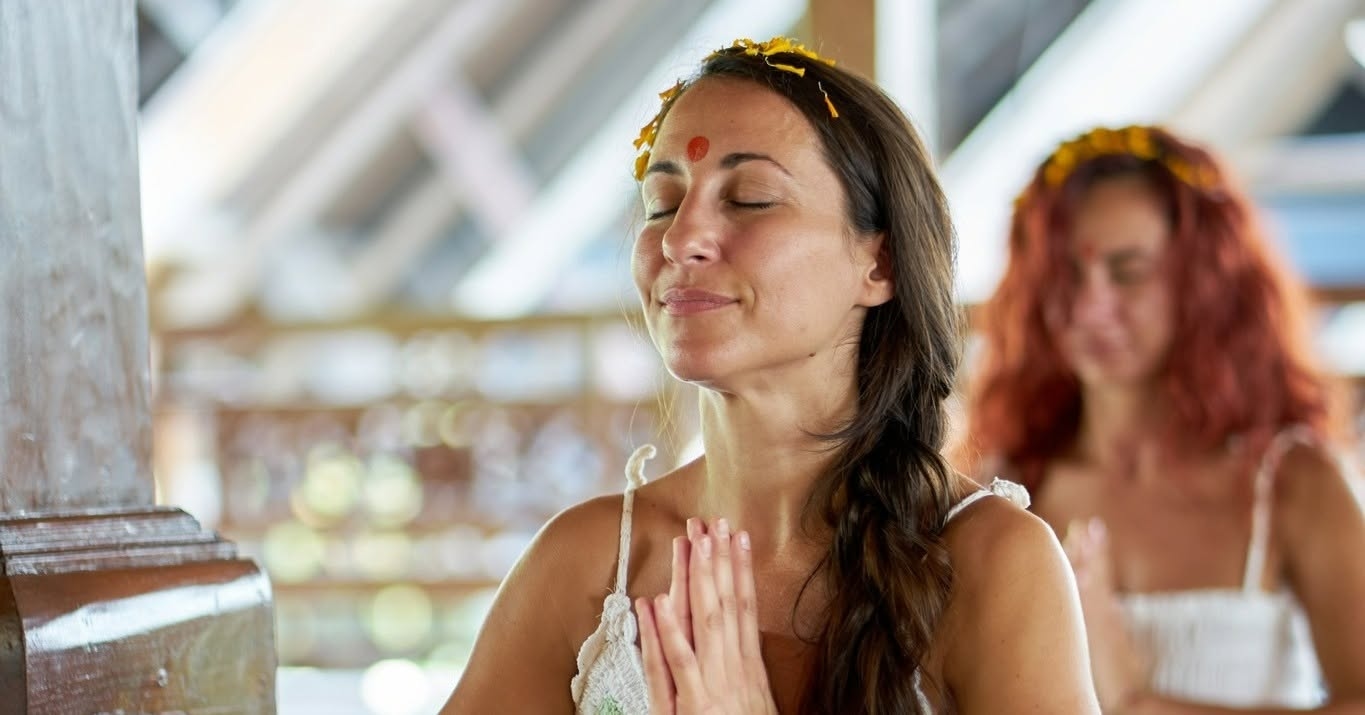
Many people approach yoga because they want a break from the constant demands of daily life. Surya Namaskar can offer a structured period in which to pay attention to your body and movements.
During Prayer Pose, you can notice how you feel before starting. During a forward bend, you can observe physical sensations without judging your flexibility. When you return to standing, you can take a moment to notice your breathing.
This does not mean every practice will make you feel calm. Some days you may feel distracted, tired, or impatient. These experiences are a normal part of learning to pay attention to yourself.
Research has explored the potential physical and psychological effects of Surya Namaskar, although the evidence varies between outcomes. It should not be presented as a guaranteed treatment for stress, anxiety, or other mental health conditions.
How it supports personal growth: Mindfulness encourages you to observe your experiences rather than immediately criticising yourself. This can help you develop a more patient and balanced approach to your daily routine.
6. Introduces You to Yoga Philosophy and Spiritual Awareness
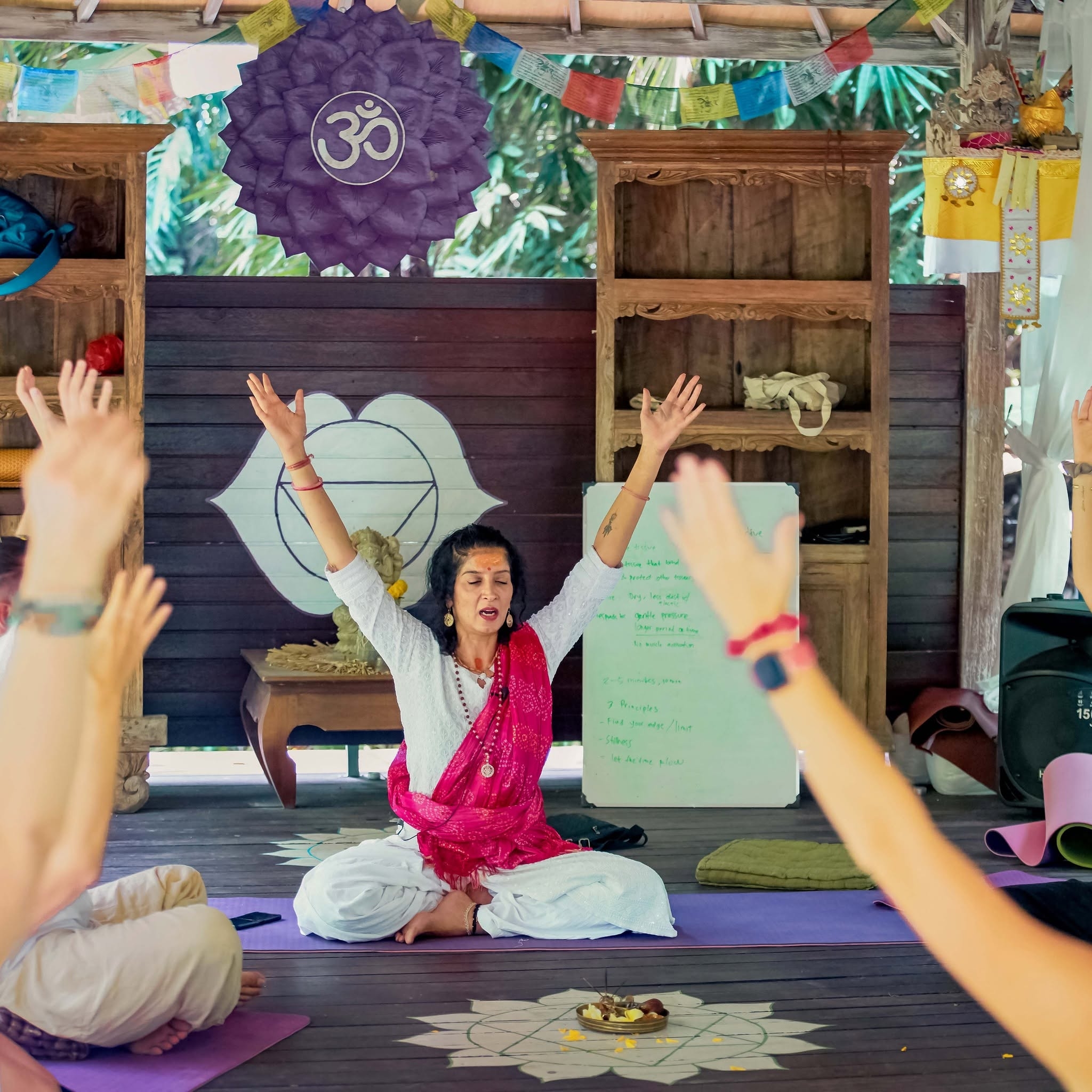
For many practitioners, Surya Namaskar has a meaning beyond physical exercise.
The sun has long held symbolic importance in Indian spiritual traditions. It represents light, energy, and the conditions that support life. Offering a salutation to the sun can therefore become a symbolic expression of gratitude and respect.
Some traditions include twelve Sanskrit mantras, each associated with a name or quality of Surya. Others emphasise breathing, concentration, or meditation alongside the physical movements.
Swami Satyananda Saraswati discusses Surya Namaskara in his book Asana Pranayama Mudra Bandha, presenting it within a wider framework of traditional yoga practices. His work is a useful reference for understanding how posture, breath, and mantra may be combined in a structured practice.
Spiritual growth does not have to mean adopting a particular belief or experiencing something extraordinary. For some people, it begins with becoming more aware of their habits, values, and relationship with the world around them.
How it supports personal growth: Practising with gratitude can encourage you to appreciate simple things, such as the ability to move, breathe, learn, and begin a new day. Over time, this reflection may help you develop a more thoughtful approach to everyday life.
7. Builds Discipline, Patience, and a Stronger Connection With Yourself
One of the most valuable lessons from Surya Namaskar is that progress takes time.
At first, you may struggle to step your foot forward, maintain your balance, or coordinate movement with breathing. With suitable guidance and regular practice, the sequence may gradually become easier.
You also learn that progress is not always about performing a more difficult posture. Sometimes, it means recognising when you need to rest, adjusting a movement, or practising with greater attention.
You can begin with just one or two comfortable rounds. As your confidence and physical ability develop, you can gradually increase the duration if appropriate.
A useful reminder for your practice is:
“Let each movement teach you patience, each breath bring you back to the present, and each practice remind you that growth takes time.”
This is an original reflection rather than a quotation attributed to a particular yoga teacher.
How it supports personal growth: A consistent routine can help you develop self-discipline without turning yoga into another source of pressure. The aim is to build a practice that supports your wellbeing over time.
Surya Namaskar: A Brief Guide to the 12 Poses
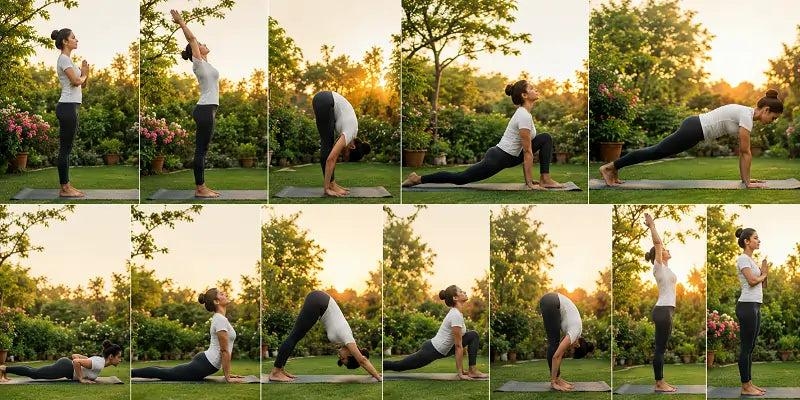
You do not need to master all twelve positions immediately. Understanding the basic order can make the practice easier to follow.
Pranamasana - Prayer Pose: Stand comfortably with your palms together in front of your chest.
Hasta Uttanasana - Raised Arms Pose: Raise your arms overhead and lengthen your body upwards.
Padahastasana - Forward Fold: Bend from your hips and bring your hands towards the floor, using support if necessary.
Ashwa Sanchalanasana - Low Lunge: Step one foot backwards, lower the back knee if appropriate, and gently lift your chest.
Parvatasana - Mountain Pose: Step the other foot back and lift your hips into an inverted V shape.
Ashtanga Namaskara - Eight-Point Salute: Lower your knees, chest, and chin towards the mat with control.
Bhujangasana - Cobra Pose: Gently lift your chest while keeping your elbows slightly bent.
Parvatasana - Mountain Pose: Lift your hips backwards and upwards into the inverted V position.
Ashwa Sanchalanasana - Low Lunge: Bring the opposite foot forwards between your hands.
Padahastasana - Forward Fold: Bring your back foot forwards and fold towards your legs.
Hasta Uttanasana - Raised Arms Pose: Rise slowly and stretch your arms overhead.
Pranamasana - Prayer Pose: Return your palms to your chest and pause before the next round.
In a commonly taught version, the next sequence begins with the opposite leg leading in the lunges. The order, breathing instructions, and some postures vary between yoga traditions.
How to Practise Surya Namaskar Safely
If you are a beginner, start with a small number of slow rounds and focus on comfortable movement rather than speed.
Practise on a nonslip yoga mat with enough space to step forwards and backwards.
Avoid forcing your hands to the floor or pushing your back into a deep bend.
Keep breathing naturally and rest whenever you need to.
Use a folded blanket under your knees or yoga blocks under your hands if necessary.
Stop if you experience sharp pain, dizziness, chest discomfort, or unusual shortness of breath.
People with injuries, significant back or joint problems, balance difficulties, or other relevant health conditions should seek appropriate professional advice before starting. Pregnant practitioners should consult a qualified prenatal yoga professional about suitable modifications.
Learn and Grow With Bali Yoga Retreats
Physical practice is only one part of learning yoga. Understanding alignment, breathing, meditation, and traditional philosophy can help you develop a more complete understanding of the practice.
Bali Yoga Retreats is an option to explore if you want to learn yoga in a dedicated environment. A Yoga retreat in Bali may suit people who want to spend more time developing their practice, learning from instructors, and building a consistent routine.
For those who wish to move beyond personal practice, Yoga Teacher Training Bali programmes and Yoga Teacher Training in Bali courses can offer a pathway to more structured study. Compare the curriculum, instructor qualifications, practical teaching hours, and accreditation details before enrolling.
Choose a programme that matches your goals and experience rather than assuming that every course provides the same training or recognition.
Conclusion: Let Your Yoga Practice Support Your Growth
Surya Namaskar brings together physical movement, breathing, and mindful attention in one accessible sequence. Its potential benefits include improved flexibility, muscular engagement, coordination, and a more consistent exercise routine. For those interested in yoga's traditional dimensions, it can also provide an introduction to mantras, gratitude, and self-reflection.
You do not have to perform every pose perfectly or complete many rounds to begin learning. Start with movements that feel comfortable, practise regularly, and give yourself time to improve.
Ultimately, the value of Surya Namaskar lies not only in how your body moves but also in the attention and patience you bring to your practice. By approaching it with curiosity rather than pressure, you can make it a useful part of your ongoing physical and personal development.