Ordering dinner from a phone is now second nature for millions of people, and that habit has turned food delivery into one of the most attractive digital businesses to enter. If you are thinking about launching your own platform, the first practical question is almost always about money. How much should you budget, and what exactly are you paying for?
There is no single price tag, but there are clear patterns. This guide explains the typical cost ranges, the factors that move the number up or down, and the smart ways to keep your investment under control.
Start with the Right Partner: Your Biggest Cost Lever
Few decisions affect your final bill as much as who builds the product. Searching for the best food delivery app development company is not about finding the lowest quote. A cheap proposal can hide limited testing, junior developers, or extra charges that appear halfway through the project. The better goal is a team that asks about your business model first, gives a clear breakdown of costs, and can show live apps it has already delivered.
Request detailed estimates from a few providers, speak with their past clients, and ask how they handle changes in scope. A transparent partner may not be the cheapest on paper, yet they often save money by avoiding rework, delays, and surprise invoices.
Typical Cost Ranges at a Glance
Costs depend mainly on scope. As a general guide, most projects fall into these tiers:
Basic MVP ($20,000 to $40,000): Core ordering, payments, and tracking for a single city or restaurant.
Mid-range app ($40,000 to $80,000): Custom design, multiple payment gateways, loyalty features, and a full admin dashboard.
Advanced platform ($80,000 to $150,000 or more): AI-driven recommendations, multi-city operations, complex logistics, and deep third-party integrations.
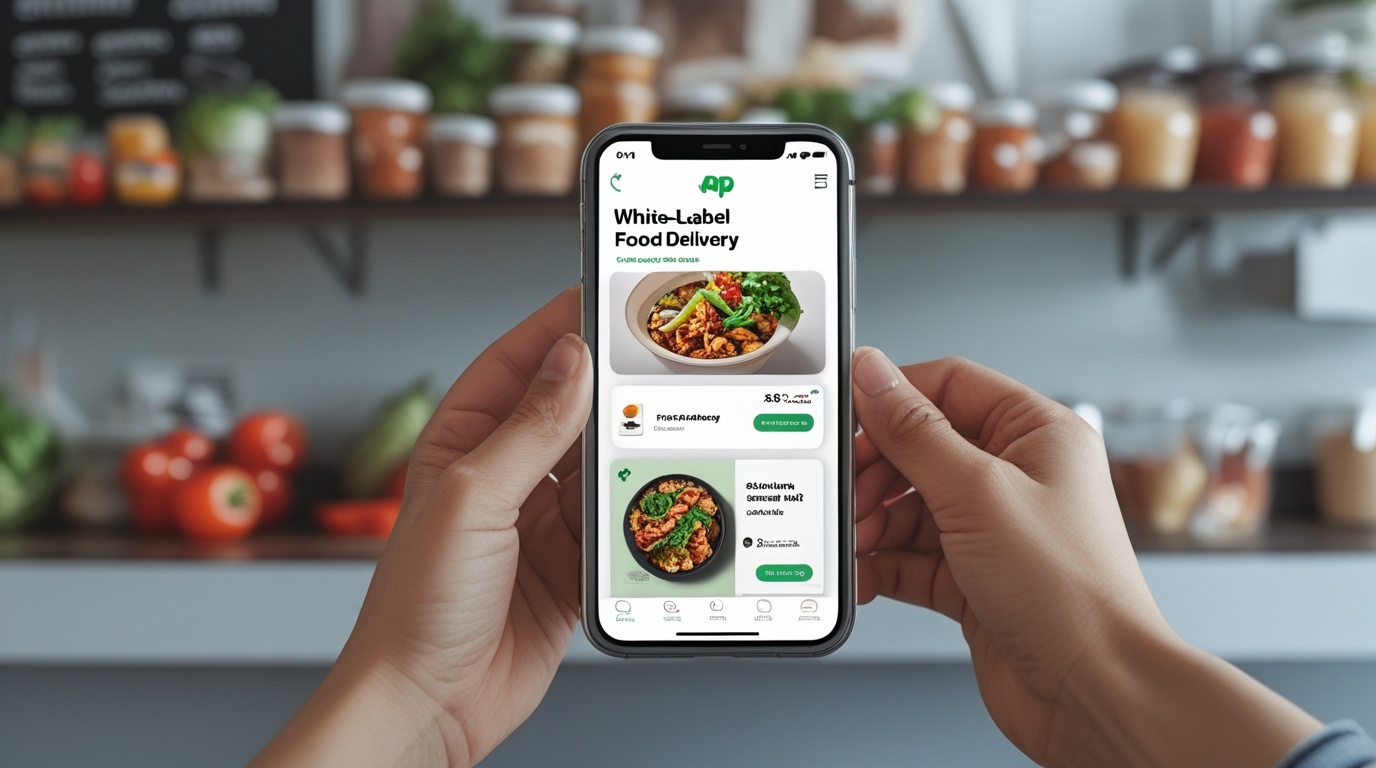
White-label launch (often a fraction of custom cost): A customizable ready-made product with your branding and settings.
Treat these as estimates rather than quotes. Your final figure will depend on your requirements, team location, and technology choices.
What You Are Actually Paying For
A complete platform is usually made up of four connected products, and each one adds to the budget:
Customer app: Registration, menu browsing, search and filters, cart, secure checkout, order history, and ratings.
Restaurant panel: Menu management, order acceptance, and sales reports.
Delivery partner app: Order assignment, navigation, and earnings tracking.
Admin dashboard: Control over users, commissions, promotions, and analytics.
A single-restaurant ordering app is far simpler than a marketplace connecting many restaurants with many drivers. The more user types your platform serves, the more screens, permissions, and workflows must be designed, built, and tested.
Key Factors That Influence Cost
Feature Complexity
Basic features like sign-up, menus, and checkout are relatively affordable. Real-time GPS tracking, smart order routing, scheduled orders, group ordering, in-app chat, and AI recommendations can each add thousands of dollars. Launch with essentials and add extras once real users tell you what they value.
Platform Choice
Building separate native apps for iOS and Android costs more than using a cross-platform framework such as Flutter or React Native, where one codebase serves both. Cross-platform development can reduce your budget noticeably, although highly specialized features may still need native code.
Design Quality
Clean, intuitive design raises upfront cost but improves conversion and retention. Custom animations and detailed branding cost more than template-based layouts, so decide where polish matters most.
Team Location and Size
Hourly rates differ widely across regions. Teams in North America and Western Europe usually charge more than teams in Asia or Eastern Europe. Team size and seniority also shape the final bill, since a typical project involves a project manager, designers, developers, and QA testers.
Third-Party Integrations
Maps, payment gateways, SMS providers, and push notification tools are essential, and many charge per use. Integrations with local payment methods or restaurant point-of-sale systems can add development time and cost.
Cost Breakdown by Development Stage
Knowing where the money goes makes budgeting easier. A typical project splits roughly like this:
Discovery and planning (5 to 10%): Research, feature prioritization, and technical documentation.
Design (10 to 15%): Wireframes, prototypes, and final visuals.
Development (50 to 60%): Front end, back end, integrations, and admin tools.
Testing (10 to 15%): Functional, performance, and security checks across devices.
Launch (around 5%): Server setup and app store submission.
Skipping early planning is a common mistake. Clear requirements at the start prevent costly changes later.
Custom Build vs. Ready-Made Solution
This choice has a major impact on price. Custom food delivery app development gives you full control over features, design, and source code, but it takes longer and costs more. A ready-made food delivery app development solution, often delivered as a white-label product, can launch in weeks at a lower cost because the core technology is already built and tested.
Many founders combine both. They begin with a customizable base to validate demand, then invest in unique features as revenue grows. The right path depends on how original your idea is, how fast you need to move, and how much capital you have.
Choose Services That Match Your Model
Providers specialize, and matching their expertise to your concept can prevent wasted spending. If your platform blends ordering with table reservations or pre-booked meals, a food delivery booking app development company may suit you better than a general vendor. If you focus on pickups and scheduling, a food booking app development company can offer more relevant experience.
Comprehensive food app development services typically cover consulting, design, development, testing, launch, and ongoing maintenance, which reduces handoff delays between separate vendors. For competitive urban markets, on demand food delivery app development services are worth considering, since these platforms need real-time dispatch, strong server performance, and the ability to handle lunch and dinner rushes. Expect this specialized architecture to influence your budget.
Hidden Costs Many Businesses Overlook
The build is only part of the investment. Plan for these ongoing expenses:
Maintenance and updates: Often 15 to 20 percent of the initial cost per year.
Cloud hosting: Costs rise as order volume grows.
Third-party services: Map APIs, SMS gateways, and payment processors often charge per transaction.
Marketing and acquisition: Attracting customers, restaurants, and drivers takes sustained spending.
Legal and compliance: Food regulations, data privacy, and business registration vary by region.
Founders who budget only for development often run short just when the product needs to grow.
Smart Ways to Reduce Your Budget
Controlling cost does not mean sacrificing quality. Try these approaches:
Start with an MVP. Launch core features first and expand based on feedback.
Use cross-platform frameworks. One codebase saves time and money.
Prioritize ruthlessly. Separate must-haves from nice-to-haves before development begins.
Define requirements clearly. Well-documented scope reduces rework, one of the biggest budget drains.
Consider a white-label base. It can cut costs significantly for standard business models.
Final Thoughts
The price of a food delivery app is the sum of your decisions about features, platform, design, and team. A lean MVP may cost tens of thousands of dollars, while a complex multi-city platform can run well beyond six figures, and ongoing expenses continue after launch.
Plan carefully, start focused, and choose a partner who is honest about costs and trade-offs. Treat your app as an evolving product, not a one-time purchase, and your budget will work harder for you at every stage.