
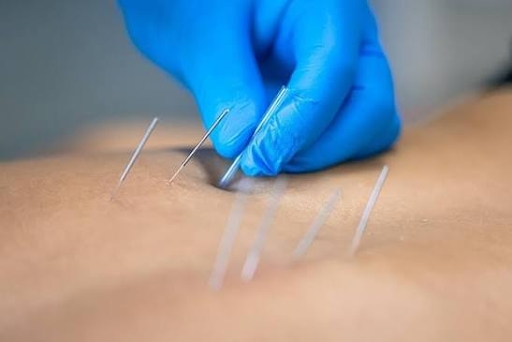
Dry needling is a treatment technique used by physical therapists to address certain sources of muscular pain, tightness, and movement limitations. It uses a thin, sterile needle inserted into targeted soft tissue without injecting medication. The technique is often considered alongside exercise, manual therapy, and movement-based rehabilitation rather than as a standalone solution.
For people researching dry needling in New Braunfels, understanding how the procedure works, what conditions it may address, and what to expect afterward can make treatment decisions more informed. Evidence suggests dry needling may provide short-term improvements in pain and function for some musculoskeletal conditions, although results vary according to the condition and treatment approach.
What Is Dry Needling?
Dry needling involves inserting a fine needle into specific areas of muscle or other soft tissue. Physical therapists may target trigger points, tight muscle bands, or areas associated with a patient's movement or pain pattern.
The procedure is different from acupuncture in its clinical framework and intended application. Dry needling in New Braunfels is generally based on musculoskeletal anatomy and contemporary rehabilitation principles, while acupuncture originates from traditional Chinese medicine.
The goal is not simply to insert a needle into a painful location. A qualified practitioner evaluates the patient's symptoms and movement limitations before determining whether needling is appropriate.
How Does Dry Needling Work?
The physiological effects of dry needling are complex and can involve both local and nervous-system responses. When a needle is introduced into targeted tissue, it may produce a local twitch response and alter sensory input from the treated area.
Research has investigated several possible mechanisms, including changes in muscle activity, pain sensitivity, and local biochemical responses. However, no single mechanism completely explains all reported effects.
This is why dry needling new braunfels treatment is generally most useful when incorporated into a broader rehabilitation strategy that addresses strength, mobility, movement, and functional goals.
What Conditions May It Help?
Dry needling is commonly used as part of treatment for musculoskeletal problems involving muscles and joints. Depending on an individual's assessment, potential applications can include:
Muscle tightness and trigger points
Neck and back pain
Certain sports-related muscle injuries
Shoulder pain and movement restrictions
Joint stiffness associated with muscular dysfunction
Some headache conditions involving muscular factors
Myofascial pain
Muscle spasms and localized tenderness
The appropriate use depends on the individual's symptoms and clinical assessment. It should not automatically be considered suitable for every type of pain.
What Are the Possible Benefits?
Studies have found that dry needling can be associated with improvements in pain and physical function for certain musculoskeletal conditions, particularly when incorporated into broader rehabilitation. However, the magnitude and duration of benefits vary between conditions and individuals.
Potential benefits may include reduced muscular pain, improved short-term mobility, and greater tolerance for therapeutic exercise. These effects can make it easier for some patients to participate in the active components of rehabilitation.
Importantly, improvement after needling does not necessarily mean the underlying problem has been permanently resolved. Long-term recovery may require progressive strengthening, mobility work, activity modification, and education.
Are There Risks or Side Effects?
Dry needling is generally considered a low-risk intervention when performed appropriately by a properly trained professional, but side effects can occur.
Common minor effects may include temporary soreness, bruising, or small amounts of bleeding at the insertion site. Less common complications can be more serious, depending on the anatomical location and technique.
Conclusion
Dry needling can be a useful component of musculoskeletal rehabilitation when it is appropriately selected and performed by a trained professional. It is best understood as one potential tool within physiotherapy, rather than a replacement for rehabilitation. Active treatment can include therapeutic exercise, strength development, mobility work, education, and gradual return to normal activities.
The most useful treatment plan may combine needling with exercise, manual techniques, movement education, and progressive activity rather than relying on one intervention alone.






