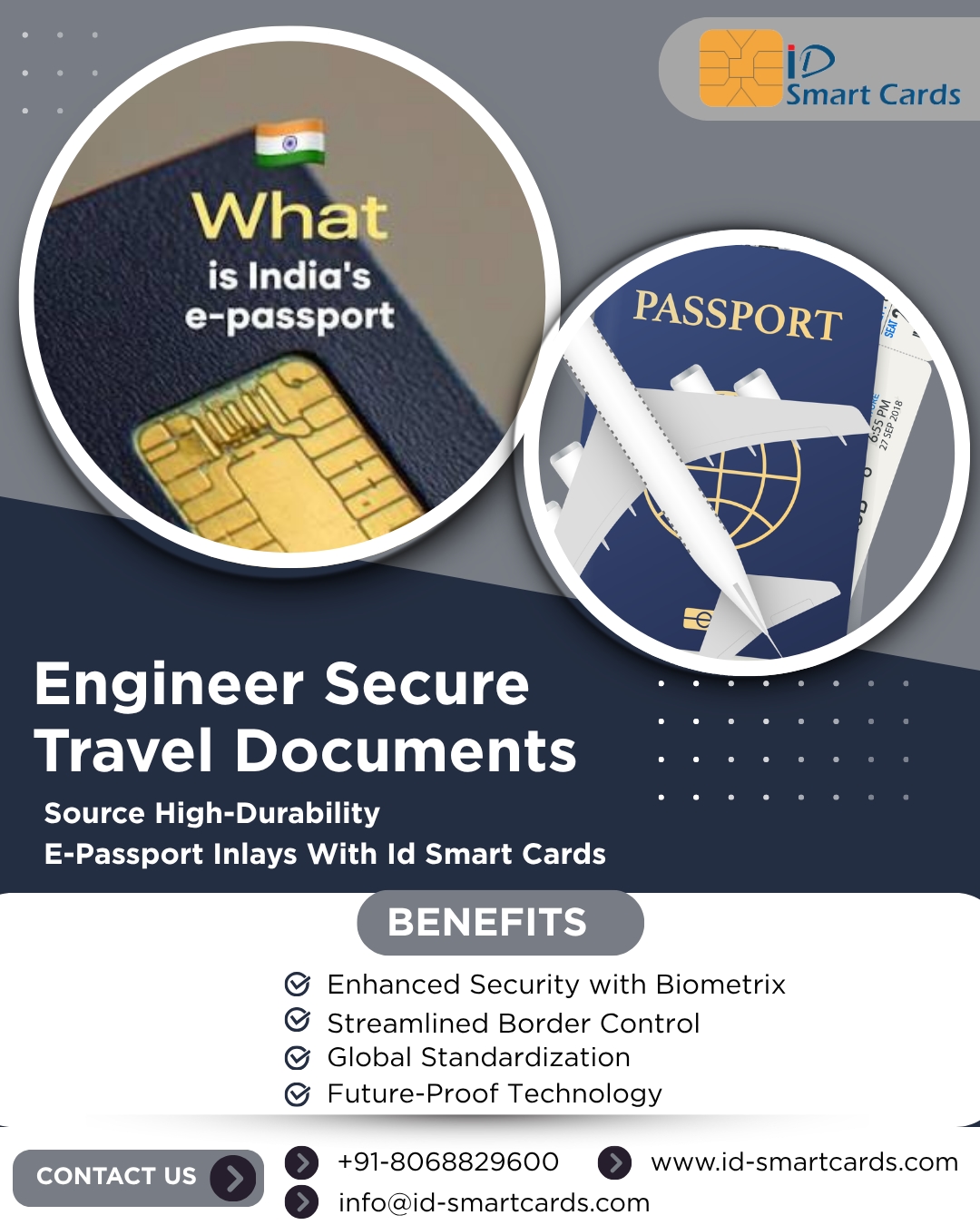
Global travel is undergoing a massive digital transformation. With national passport modernization initiatives scaling up rapidly, traditional paper booklets are being phased out in favor of electronic, chip-enabled credentials. At the heart of this revolution lies a tiny yet powerful piece of engineering: the advanced e-passport inlay.
As international standards evolve to meet stricter security requirements, understanding how these inlays operate is critical for security printers, system integrators, and government authorities alike.
What Are E-Passport Inlays?
An e-passport inlay is an integrated assembly consisting of a microchip (RFID/NFC) and a tuned wire or etched antenna embedded securely between the layers of a passport cover or data page.
Acting as the brain of the digital passport, the microchip securely stores the holder’s vital details:
Biometric Identifiers:
High-resolution digital photographs, fingerprint records, and iris scan data.
Biographical Data: Full name, nationality, date of birth, and passport particulars.
Cryptographic Signatures: Digital certificates issued via Public Key Infrastructure (PKI) to guarantee document authenticity.
Key Technology Trends Driving Modern E-Passport Inlays
1. High-Performance RFID and Contactless Speeds
Modern inlays operate on standardized protocols (such as ISO/IEC 14443), allowing automated e-gates at international airports to read and verify passport data in fractions of a second. This seamless contactless communication drastically reduces processing bottlenecks during peak travel rushes.
2. Advanced Access Control Protocols
To protect travelers against unauthorized data skimming or electronic tracking, next-gen inlays integrate high-level access protocols:
Password Authenticated Connection Establishment (PACE): Encrypts communication channels dynamically between the chip and the reader.
Extended Access Control (EAC): Ensures high-security clearance is met before sensitive biometric fields (like fingerprints) can be accessed.
Active Authentication (AA):
Prevents cloning and duplication of microchips.
Talk to ID Smart Cards to explore card options based on your company's security, branding, and workplace requirements.
· Call Us On: +91-80688 29600
· Email: info@id-smartcards.com
· Website: https://www.id-smartcards.com/