Signage plays an important role in how people interact with businesses, public spaces, and their surroundings. From identifying a retail store to guiding visitors through a commercial building, signs communicate information quickly and effectively. In a world where people are constantly exposed to visual messages, well-designed signage helps businesses share information, improve visibility, and create a recognizable identity.
Although signage is often associated with advertising, its purpose extends far beyond promotion. It supports navigation, improves safety, communicates instructions, and contributes to the overall appearance of commercial and public environments.
What Is Signage?
Signage refers to the design, production, and use of visual displays that communicate information to a particular audience. These displays can include business signs, directional boards, safety notices, promotional graphics, illuminated displays, and digital screens.
The main purpose of signage is to deliver a message in a way that people can understand quickly. Effective signs combine readable text, appropriate colors, clear symbols, and thoughtful placement. Depending on the intended use, signage may be temporary or permanent, indoors or outdoors, simple or technologically advanced.
For example, a sign outside a retail store may display the business name, while signs inside a shopping centre may help visitors locate facilities, exits, or individual shops. Both serve different purposes, but each contributes to a more convenient and organized environment.
Why Signage Matters for Businesses
For businesses of all sizes, signage is an important part of visual communication. Customers frequently encounter signs before interacting directly with a company, making them a valuable opportunity to communicate professionalism and establish recognition.
A clear storefront sign helps people identify a business from a distance. Consistent branding across signs, windows, vehicles, and interiors can also reinforce a company's visual identity. Over time, familiar colors, logos, and design elements may help customers recognize a brand more easily.
Signage can also communicate practical information, such as opening hours, available services, promotional offers, and directions. By presenting these details clearly, businesses can reduce confusion and make the customer experience more convenient.
Different Types of Signage
There are many types of signage, and each serves a particular purpose. Selecting the right option depends on the location, audience, budget, and communication objectives.
1. Outdoor Signage
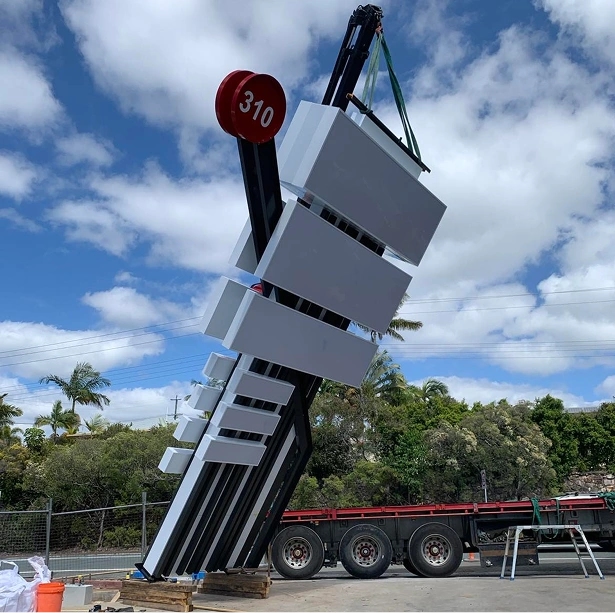
Outdoor signage helps people identify businesses and locate buildings or facilities. Common examples include building signs, shopfront displays, freestanding signs, roadside signs, and entrance signs.
Because outdoor signs are exposed to changing weather conditions, material selection is particularly important. Durable materials, suitable finishes, and professional installation can help maintain their appearance over time.
Visibility should also be considered during the design process. Letter size, contrast, viewing distance, lighting, and surrounding structures can all influence how easily a sign can be read.
2. Indoor Signage
Indoor signage provides information within offices, retail stores, restaurants, educational facilities, and other buildings. It may include reception signs, room identification, department labels, promotional displays, and informational boards.
Effective indoor signage helps visitors navigate unfamiliar spaces and understand where to go. In workplaces, it can also support organization by identifying meeting rooms, work areas, and shared facilities.
The design should complement the interior environment without making the information difficult to read. Simple layouts and consistent visual elements often work best.
3. Illuminated Signage
Illuminated signs use lighting to improve visibility, particularly during evenings or in locations with limited natural light. These signs are commonly used by restaurants, retail stores, entertainment venues, and businesses that operate beyond standard daytime hours.
LED technology has made illuminated signage more flexible and energy-efficient than many traditional lighting options. However, businesses should consider brightness, energy consumption, maintenance requirements, and applicable lighting regulations before installation.
4. Vehicle Signage
Vehicle signage turns company cars, vans, and trucks into mobile displays. Depending on the design, it may include a business logo, contact information, service descriptions, or branded graphics.
Vehicle graphics can help businesses maintain brand visibility while travelling between appointments or operating across different locations. A clear and uncluttered design is particularly important because people may only have a few seconds to view a moving vehicle.
5. Directional and Wayfinding Signage
Directional signage helps people navigate buildings, commercial areas, car parks, and public facilities. It may use arrows, words, maps, numbers, or universally recognized symbols to guide visitors.
Good wayfinding signage should be easy to understand and placed at decision points where people need guidance. Consistent terminology and design can make navigation more straightforward, particularly in larger or unfamiliar environments.
6. Promotional and Temporary Signage
Promotional signage is often used to communicate sales, seasonal offers, product launches, events, and special announcements. Examples include posters, banners, display boards, and temporary window graphics.
These signs allow businesses to update their messaging as their needs change. However, promotional displays should remain readable and visually organized so they communicate the main message without overwhelming the audience.
How Signage Influences Customer Behaviour
Signage can influence how customers perceive and interact with a business. A well-positioned sign can make a location easier to notice, while clear information can help potential customers understand the services available.
Design also affects perception. Signs that use consistent branding, readable text, and appropriate materials may create a more professional impression than displays with unclear messaging or poor construction.
However, effective signage is not necessarily the largest or most colourful option. Its success depends on whether it reaches the intended audience and communicates the right information. A small directional sign may be more useful than a large promotional display when the main objective is helping visitors find a particular room.
Choosing the Right Materials for Signage
Material selection affects the appearance, durability, cost, and maintenance requirements of a sign. Different materials are suitable for different environments.
Common options include acrylic, aluminium, stainless steel, PVC, timber, vinyl, and various composite materials. Acrylic may be chosen for its smooth finish and modern appearance, while aluminium is often used for outdoor applications because of its relatively low weight and resistance to corrosion.
Vinyl is widely used for window graphics, vehicle wraps, and promotional applications. Timber can create a natural or traditional aesthetic, although its suitability depends on the environment and maintenance requirements.
Before selecting a material, businesses should consider exposure to sunlight, moisture, wind, temperature changes, cleaning methods, and the expected lifespan of the display.
The Role of Signage in Local Business Communities
In local commercial areas, signage helps businesses establish their presence and makes streets and shopping districts easier to navigate. Clear signs can help customers distinguish between businesses, locate entrances, and understand the services offered in a particular area.
For example, businesses researching signage caboolture may consider how storefront displays, building identification, vehicle graphics, and directional signs can contribute to a more recognizable local presence. The most suitable option depends on the type of business, its premises, and the audience it wants to reach.
Thoughtful signage planning can also contribute to a more consistent appearance across a commercial property. When businesses consider the surrounding architecture, pedestrian movement, visibility, and local requirements, their signs can serve both practical and visual purposes.
Digital Signage and Technological Developments
Technology continues to expand the possibilities available in the signage industry. Digital displays can present changing content, including announcements, menus, schedules, promotional messages, and real-time information.
Unlike static signs, digital signage allows businesses to update messages without replacing the entire display. This can be useful for organizations that regularly change their information or operate across multiple locations.
Modern production techniques have also improved the flexibility of printed signage. Businesses can use customized graphics, improved printing processes, and a wider selection of materials to create displays suited to their branding and practical requirements.
Nevertheless, digital signage is not always the best choice. Installation costs, electricity use, software management, screen maintenance, and environmental conditions should be evaluated before choosing a digital solution.
Accessibility and Readability in Sign Design
Accessibility is an important consideration when planning signage. Signs should communicate information to as many people as reasonably possible, including individuals with different visual abilities, language backgrounds, and levels of familiarity with a location.
Several design principles can improve readability:
Use clear, legible typefaces.
Maintain strong contrast between text and background.
Keep messages concise and avoid unnecessary wording.
Position signs where people can see them easily.
Use recognizable symbols where they support understanding.
Consider appropriate text size, viewing distance, and lighting.
Follow applicable accessibility standards for regulated environments.
For complex buildings, a consistent wayfinding system can help visitors understand the relationship between entrances, corridors, facilities, and destinations.
Planning, Installation, and Maintenance
Successful signage requires planning beyond the initial design. Businesses should determine the purpose of each sign, identify its intended audience, and select a location that provides suitable visibility.
Measurements, mounting surfaces, lighting conditions, and nearby obstacles should be evaluated before production. Outdoor installations may also require consideration of structural safety, wind exposure, electrical connections, and local approval requirements.
Maintenance is equally important. Regular inspections can identify fading, damaged fixings, loose components, dirt, or lighting failures. Addressing these issues helps preserve readability and reduces the risk of a sign becoming ineffective or unsafe.
Where signs are installed in public areas or on commercial buildings, owners should check relevant local planning, building, and advertising requirements before proceeding.
Conclusion
Signage is an essential part of communication in modern business and public environments. It helps people identify locations, understand information, navigate unfamiliar spaces, and recognize brands. From traditional shopfront signs to illuminated displays and digital communication systems, each type of signage offers different advantages depending on its purpose.
By considering design, material quality, readability, placement, accessibility, and maintenance, businesses can create signage that serves practical needs while supporting a consistent visual identity. Whether planning a new commercial display or updating an existing one, a thoughtful approach to signage can improve communication and contribute to a more welcoming and organized environment.