
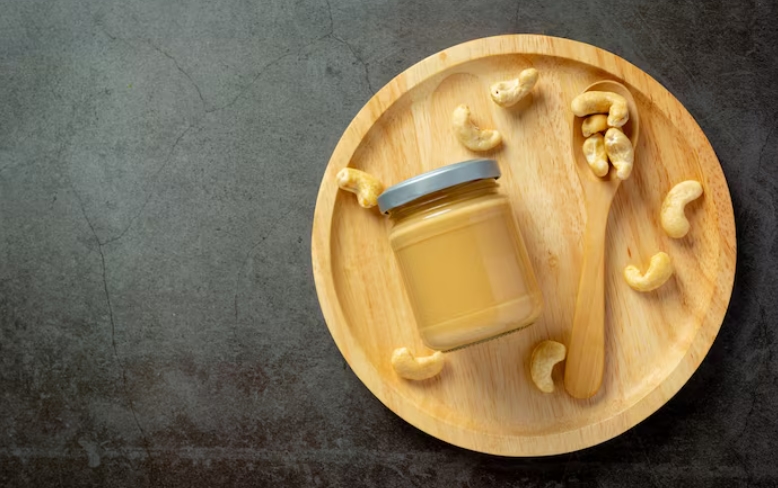
Peanut butter has become one of the most popular food choices among fitness enthusiasts, busy professionals, students, and people looking for convenient breakfast options. Once considered a niche product, peanut butter is now widely available across India, with several brands offering different flavours, textures, and nutritional profiles.
Whether you enjoy it on toast, blend it into smoothies, or use it as a quick snack between meals, peanut butter can be a delicious addition to your everyday diet. However, choosing the right product can sometimes be confusing because the market offers so many options.
Understanding the ingredients, nutritional value, and different varieties can help you make a better decision.
Why Is Peanut Butter Becoming Popular in India?
Changing lifestyles and growing awareness about nutrition have contributed to the popularity of peanut butter in India. Many people are looking for convenient foods that provide energy and keep them satisfied between meals.
Peanut butter is particularly popular among gym-goers and people following active lifestyles because it contains protein, healthy fats, and calories that can support their daily nutritional requirements.
It is also incredibly versatile. You can enjoy it with bread, bananas, oats, pancakes, or even incorporate it into homemade desserts. Its creamy texture and rich flavour make it an enjoyable alternative to several traditional spreads.
Another reason for its popularity is convenience. A spoonful of peanut butter can easily be added to breakfast or a snack without requiring extensive preparation.
What Makes Peanut Butter a Nutritious Food?
Peanut butter is primarily made from roasted peanuts, which naturally contain several important nutrients.
1. A Source of Protein
Peanuts contain plant-based protein, which contributes to muscle maintenance and repair. This makes peanut butter a useful addition to meals for people who exercise regularly or want to include more plant-based protein in their diet.
However, peanut butter should not be considered a complete replacement for other protein-rich foods.
2. Contains Healthy Fats
Peanuts contain predominantly unsaturated fats, including monounsaturated and polyunsaturated fats. These fats can contribute to a balanced diet when consumed in appropriate quantities.
The overall nutritional quality of peanut butter depends significantly on its ingredients and how it is processed.
3. Provides Energy
Peanut butter is calorie-dense, making it useful for individuals who need convenient energy throughout the day.
Because it contains both protein and fat, it can also help make snacks more satisfying.
4. Contains Important Micronutrients
Peanuts naturally provide nutrients such as magnesium, vitamin E, and niacin. The exact nutritional composition varies depending on the product and serving size.
Different Types of Peanut Butter Available in India
Before selecting a brand, it is helpful to understand the different varieties available.
Creamy Peanut Butter
Creamy peanut butter has a smooth texture and is easy to spread. It works particularly well for sandwiches, toast, smoothies, and recipes that require a consistent texture.
It is generally a convenient option for people who prefer a smooth and uniform spread.
Crunchy Peanut Butter
Crunchy peanut butter contains small pieces of peanuts that provide additional texture.
It is ideal for people who enjoy a little crunch in their breakfast or snacks. It can also add texture to homemade energy bars and desserts.
Natural Peanut Butter
Natural peanut butter usually contains peanuts as its primary ingredient, sometimes with a small amount of salt.
Some varieties may separate during storage because the natural peanut oils rise to the surface. Stirring the product before use can help restore its consistency.
Flavoured Peanut Butter
Several brands offer chocolate, honey, and other flavoured varieties.
These products can be enjoyable for people who prefer sweeter spreads. However, it is important to check the ingredient list because some flavoured peanut butters contain added sugar, oils, or other ingredients.
Which Peanut Butter Is Best in India?
The best peanut butter depends on your preferences, nutritional goals, and budget.
Some people prefer products with minimal ingredients, while others enjoy flavoured varieties that make breakfast more enjoyable.
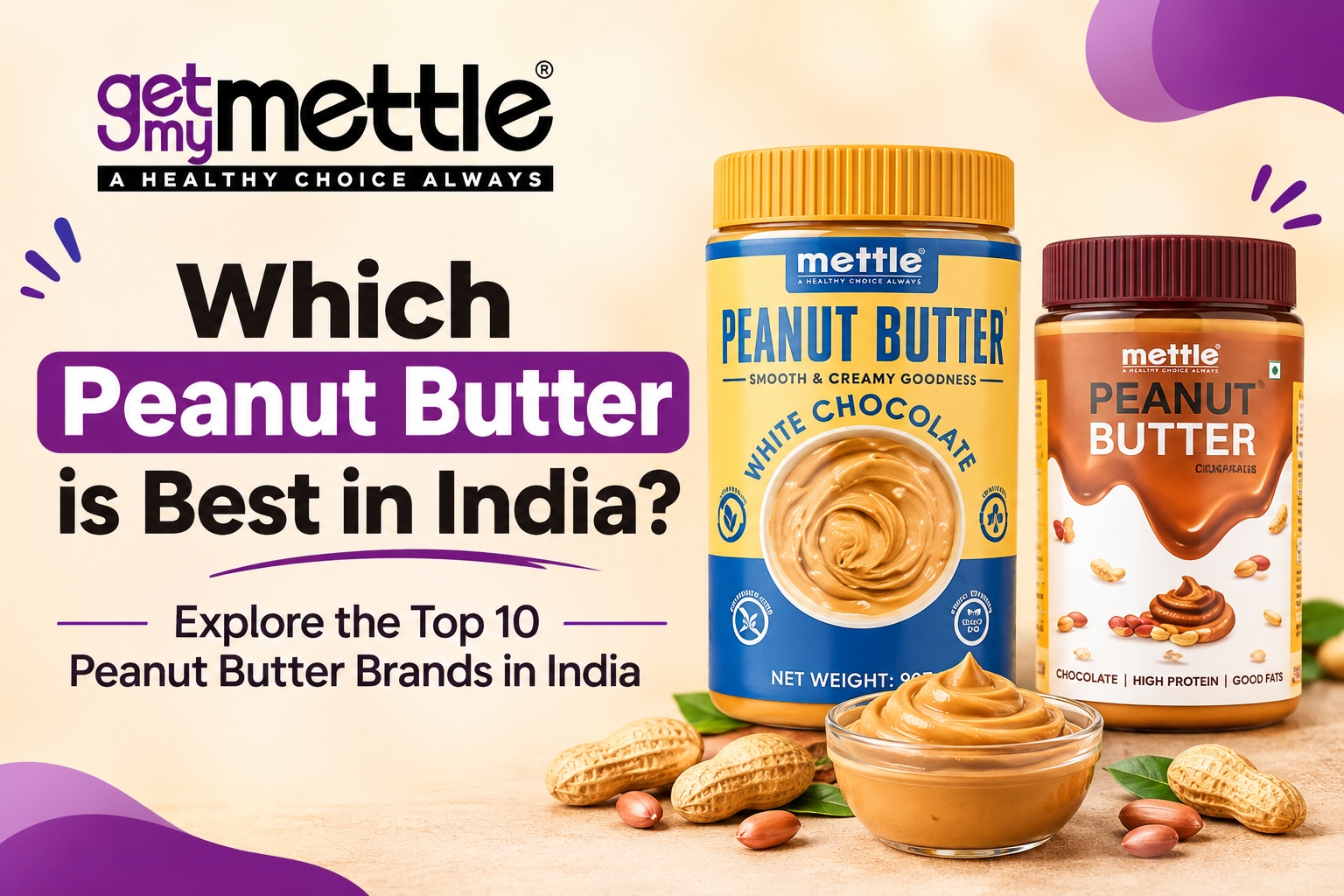
If you are exploring different brands and comparing their ingredients, nutritional values, and product varieties, this guide on which peanut butter is best in india can help you discover some of the popular peanut butter options available in the Indian market.
Comparing different brands before purchasing can help you identify a product that suits your everyday requirements.
How to Choose the Right Peanut Butter
Choosing peanut butter becomes much easier when you understand what to look for on the packaging.
Check the Ingredient List
The ingredient list is one of the most important things to examine.
If you prefer a simple product, look for peanut butter containing mostly or entirely peanuts. Some products may also contain salt, sugar, palm oil, or other ingredients.
Understanding these additions helps you make an informed choice.
Compare Protein Content
Different products may contain different amounts of protein depending on their formulation.
If protein intake is an important consideration for your diet, compare the nutritional information per serving rather than relying only on marketing claims.
Pay Attention to Added Sugar
Flavoured peanut butter may contain added sugar.
If you want to limit sugar consumption, check the nutrition label carefully and choose a product that aligns with your dietary preferences.
Consider Texture and Taste
The healthiest option is not necessarily the one you will enjoy eating consistently.
Some people prefer creamy peanut butter, while others enjoy crunchy varieties. Choosing a texture and flavour you genuinely like can make it easier to incorporate peanut butter into your routine.
Check Serving Size
Peanut butter is nutritious but calorie-dense.
A typical serving is around two tablespoons, although the appropriate amount depends on your individual dietary requirements.
Paying attention to serving size can help you enjoy it without unintentionally consuming excessive calories.
Simple Ways to Include Peanut Butter in Your Daily Diet
One of the biggest advantages of peanut butter is its versatility.
Here are a few simple ideas:
Peanut Butter Toast: Spread peanut butter over whole-wheat toast and add banana slices for a quick breakfast.
Smoothies: Blend peanut butter with bananas, oats, and your preferred milk alternative.
Overnight Oats: Mix peanut butter into overnight oats for additional flavour and richness.
Fruit Snacks: Pair apple slices or bananas with peanut butter for a convenient snack.
Homemade Energy Balls: Combine peanut butter with oats, dates, and other ingredients to prepare simple homemade snacks.
These combinations can make everyday meals more enjoyable while adding variety to your diet.
Are There Any Precautions to Consider?
Although peanut butter can be part of a balanced diet, a few precautions are worth remembering.
People with peanut allergies should avoid peanut butter because peanuts can cause serious allergic reactions.
Additionally, individuals managing their calorie intake should be mindful of portion sizes because peanut butter contains substantial energy in a relatively small serving.
It is also advisable to check product labels for added sugar, oils, and other ingredients that may influence nutritional quality.
Final Thoughts
Peanut butter is a convenient, versatile, and enjoyable food that can fit into many different lifestyles. From creamy spreads to crunchy varieties and flavoured options, the Indian market offers plenty of choices for consumers.
The key to choosing the right peanut butter is understanding your preferences and nutritional requirements. Checking ingredients, comparing nutritional values, and paying attention to serving sizes can help you make a more informed purchase.
Whether you enjoy it with toast, fruit, oats, or smoothies, selecting a peanut butter that suits your lifestyle can make everyday meals more satisfying and convenient.



