
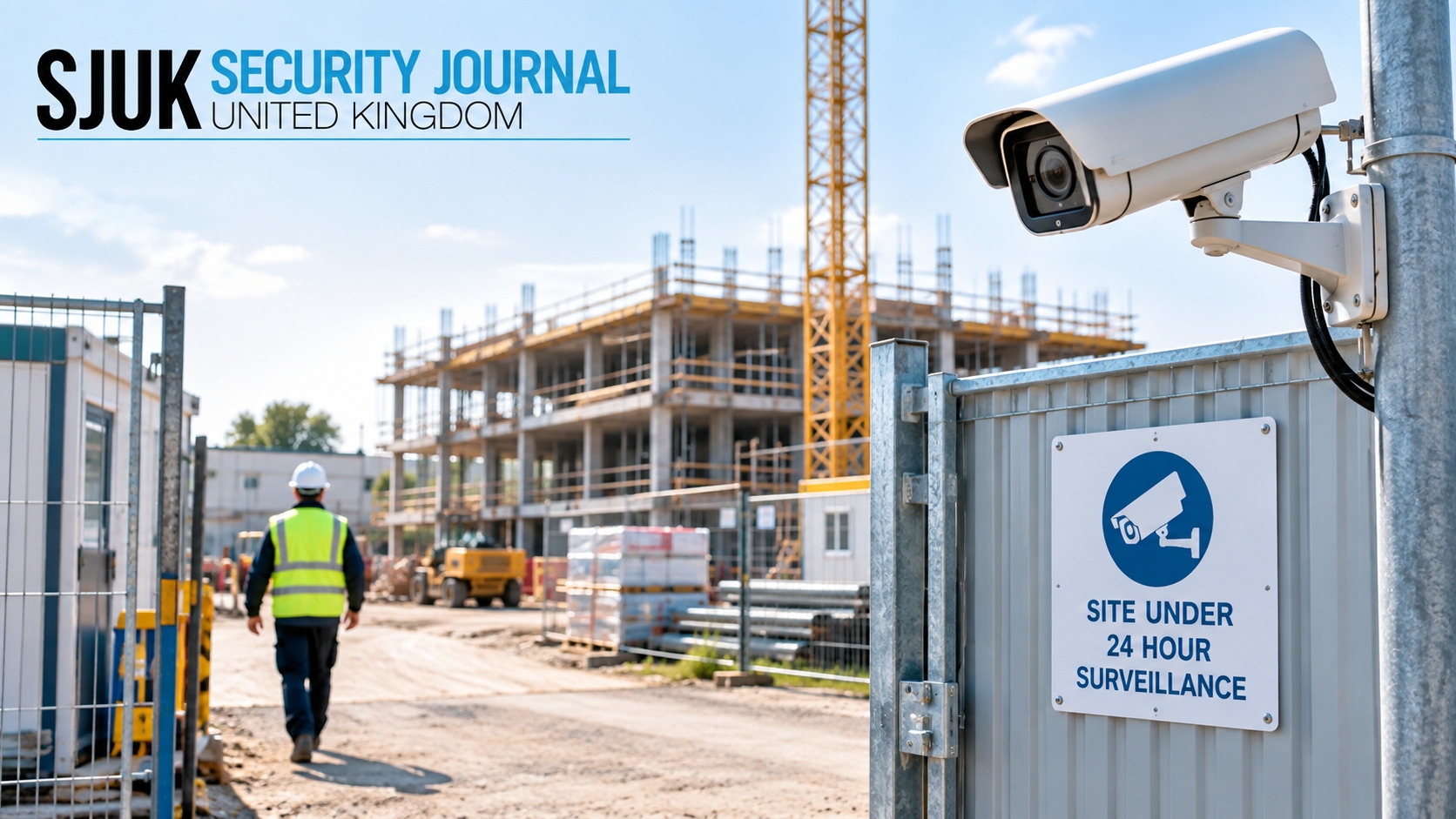
Construction sites contain valuable machinery, tools, materials, vehicles, and unfinished infrastructure, making them vulnerable to theft, vandalism, trespassing, and unauthorized access. As projects become larger and more complex, relying on traditional security measures alone may not provide sufficient protection. Modern construction site security systems combine technologies such as video surveillance, access control, intrusion detection, remote monitoring, and asset tracking to create a more comprehensive approach to protecting people, property, and project operations.
Why Construction Sites Need Dedicated Security Systems
Construction environments are constantly changing. New structures are added, temporary entrances are created, equipment moves around the site, and different contractors may require access at different stages of the project. These conditions can create security gaps that criminals or unauthorized individuals may exploit.
Construction sites may also remain unattended during evenings, weekends, and holidays. Without appropriate monitoring and detection technologies, incidents can occur without being noticed until significant damage or loss has already taken place.
A dedicated security strategy helps organizations identify vulnerabilities and apply appropriate technologies according to the site's size, layout, location, and risk profile.
Key Technologies for Construction Site Security
1. CCTV and Video Surveillance
CCTV remains one of the most important technologies for monitoring construction sites. Cameras can be positioned around entrances, perimeters, equipment storage areas, material yards, parking areas, and other critical locations.
Modern cameras can provide high-resolution footage and support monitoring in challenging lighting conditions. Recorded video can also assist with investigations by providing evidence of suspicious activity, property damage, or unauthorized entry.
The effectiveness of CCTV depends heavily on proper camera placement. Security teams should identify potential blind spots and ensure that important access points and high-value areas are adequately covered.
2. AI-Powered Video Analytics
Artificial intelligence is making video surveillance more proactive. Instead of requiring security personnel to watch multiple camera feeds continuously, AI-powered video analytics can identify specific events and generate alerts.
Depending on the system, analytics may detect unusual movement, perimeter intrusion, loitering, abandoned objects, or movement within restricted areas. This can help security teams prioritize potentially important events rather than manually reviewing every video feed.
AI analytics can be particularly useful for large construction projects where monitoring dozens of cameras simultaneously can be challenging.
3. Access Control Systems
Access control technology helps determine who is authorized to enter a construction site or specific areas within it. Systems can use key cards, key fobs, mobile credentials, PINs, or biometric authentication.
Role-based permissions can provide different levels of access to employees, contractors, subcontractors, visitors, and delivery personnel. Temporary credentials can also be created for workers who only need access for a limited period.
When someone leaves the project, their credentials can be disabled without replacing physical locks. This makes electronic access management more flexible than traditional keys.
4. Perimeter Intrusion Detection
Construction sites often have large and temporary perimeters that can be difficult to monitor continuously. Perimeter intrusion detection systems can provide an additional layer of protection by identifying attempts to cross restricted boundaries.
Depending on site requirements, solutions can include sensors, infrared detection, smart fencing, and other monitoring technologies. When an intrusion is detected, the system can notify security personnel so the event can be assessed and addressed.
Perimeter security is particularly important for remote or isolated sites where unauthorized access may be difficult to detect manually.
5. Remote Video Monitoring
Remote monitoring allows security personnel to observe construction sites without being physically present at the location. Cameras and connected security devices can transmit information to an off-site monitoring team.
When suspicious activity occurs, trained operators can assess the situation and follow established response procedures. This can provide continuous oversight during periods when the site has few or no workers present.
Remote monitoring can also complement on-site security personnel by providing additional visibility across large or difficult-to-cover areas.
6. Security Lighting
Effective lighting is an important but sometimes overlooked component of construction site protection. Poorly illuminated areas can create hiding places and make it harder for cameras to capture useful footage.
Security lighting can improve visibility around entrances, pathways, equipment storage areas, and perimeter zones. Motion-activated lighting can also draw attention to movement in selected areas.
Lighting should be planned alongside CCTV and other security technologies to ensure that cameras can capture clear footage during nighttime operations.
7. Smart Alarms and Sensors
Sensors can provide immediate information when specific security events occur. Door and gate sensors, motion detectors, equipment alarms, and other connected devices can be installed in strategic locations.
For example, a sensor could detect an unauthorized opening of a storage facility or movement within an area that should be inactive after working hours. Alerts can then be sent to security personnel for further assessment.
Connecting multiple sensors to a central security platform can give teams a clearer overview of activity across the project.
8. GPS Tracking for Construction Equipment
Construction machinery and vehicles can represent a significant financial investment. GPS tracking technology can help organizations monitor the location of valuable mobile assets.
Tracking devices can provide information about equipment movements and help identify unexpected changes in location. If machinery is moved without authorization, security teams may be able to respond more quickly and provide location information to relevant authorities.
Asset tracking can therefore complement physical security measures by extending protection beyond the site's immediate perimeter.
How These Technologies Work Together
Using individual security technologies can provide valuable protection, but integrating them can create a stronger security environment. For example, access control can record when an employee enters a restricted area, while CCTV can provide visual confirmation of the activity.
Similarly, perimeter sensors can detect an intrusion and trigger cameras to focus attention on the affected location. Remote monitoring personnel can then assess the footage and determine the appropriate response.
This interconnected approach can improve situational awareness and help security teams respond to potential incidents more efficiently.
Choosing the Right Security Technologies
Every construction project has different security requirements. Before selecting technologies, organizations should conduct a comprehensive risk assessment.
Important considerations include the size of the site, number of workers, project duration, location, perimeter configuration, value of equipment, connectivity availability, and budget.
Scalability is also important. Security systems should be capable of adapting as the construction site changes. Additional cameras, access points, sensors, or monitoring capabilities may be required as the project moves into different phases.
Best Practices for Deploying Security Systems
A successful security strategy begins with identifying the site's most vulnerable areas. Entrances, equipment storage locations, material yards, fuel storage, temporary offices, and high-value asset areas should receive appropriate protection.
Security teams should regularly review camera coverage, access permissions, sensor performance, and alarm configurations. Credentials should be removed promptly when workers or contractors finish their assignments.
Technology should also be supported by clear security procedures. Workers should understand access rules, reporting processes, emergency procedures, and their responsibilities for maintaining site security.
Benefits of Modern Construction Site Security
Modern security technologies can provide benefits beyond preventing theft. They can improve visibility across the site, support worker safety, strengthen access management, and provide useful evidence when incidents occur.
Integrated systems can also help organizations respond more quickly to suspicious activity. By combining prevention, detection, monitoring, and response capabilities, construction companies can create a more resilient security environment.
Future Trends in Construction Site Security
The future of construction security is likely to involve greater integration between physical security and intelligent technologies. AI-powered analytics, cloud-based security platforms, mobile access credentials, smart sensors, automated alerts, drones, and advanced asset tracking are expected to play increasingly important roles.
As these technologies develop, construction companies will have more opportunities to move from reactive security toward proactive threat detection and risk management.
Conclusion
Modern construction projects require security strategies that can adapt to changing environments and increasingly sophisticated threats. CCTV, AI video analytics, access control, perimeter detection, remote monitoring, smart sensors, security lighting, and GPS tracking can work together to protect workers, equipment, materials, and infrastructure.
For construction and security professionals seeking the latest insights into security technologies, risk management, and industry developments, Security Journal UK offers valuable information to support informed security decisions and help organizations respond to evolving threats.