
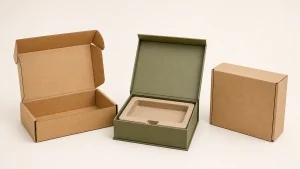
Cardboard Boxes Giza
In today’s competitive market, packaging has become much more than a way to protect products during transportation. It plays an important role in product safety, customer satisfaction, brand presentation, shipping efficiency, and business costs. For companies serving customers in Giza and surrounding areas, choosing the right Cardboard Boxes Giza solutions can create a practical advantage throughout the entire supply chain.
We can improve our packaging strategy by selecting boxes according to product requirements, transportation conditions, storage needs, and branding goals. A well-designed cardboard box can protect products from pressure, scratches, dust, and handling damage while also creating a professional presentation.
Whether we operate an e-commerce store, retail business, warehouse, manufacturing company, moving service, or distribution operation, the right packaging system helps us manage products more efficiently. By using durable and appropriately sized cardboard packaging, we can reduce unnecessary material usage and improve the overall shipping experience.
Packaging Boxes for Reliable Product Protection
The foundation of an effective packaging strategy is protection. Packaging boxes should be selected according to the weight, dimensions, shape, and fragility of the products they contain.
Lightweight products may require simple cardboard packaging, while heavier or fragile products can benefit from stronger corrugated structures. When we match the box strength to the product, we can reduce the possibility of crushing, tearing, or deformation during transportation.
We should also consider internal protection. Bubble wrap, paper cushioning, dividers, inserts, and other protective materials can prevent products from moving excessively inside the box. A properly packed product is less likely to suffer damage when packages are stacked, transported, or handled multiple times.
1. Choose the Right Box Size for Every Product
One of the simplest ways to improve packaging efficiency is to select the correct box size. Using boxes that are too large creates empty space and increases the need for filling materials. It can also make packages more difficult to stack and transport.
On the other hand, boxes that are too small can place unnecessary pressure on products and may result in damaged packaging.
We should maintain several standard box sizes for frequently shipped products. For customized or unusual items, accurately measured packaging can provide a better fit.
A correctly sized box can help us:
Reduce wasted packaging material
Minimize internal product movement
Lower dimensional shipping costs
Improve warehouse organization
Create a cleaner presentation
Reduce the need for excessive cushioning
This simple adjustment can make our packaging operation more efficient without requiring a complete change in the supply chain.
2. Upgrade Box Strength According to Shipping Conditions
Not every product needs the same level of protection. We should evaluate how our packages will be transported before choosing a box.
If products travel long distances, pass through multiple distribution centers, or are frequently stacked, stronger cardboard packaging can provide additional protection. Corrugated boxes are especially useful when greater resistance to compression and handling is required.
We should consider factors such as product weight, transportation distance, stacking pressure, humidity, handling frequency, and storage duration.
For heavier merchandise, using an appropriately strong box can reduce the risk of packaging failure. Investing in suitable box strength can also help reduce returns and replacement costs caused by damaged shipments.
3. Reduce Packaging Waste With Smarter Design
An effective packaging strategy should protect products without creating unnecessary waste. We can improve sustainability by selecting appropriately sized boxes and reducing excess materials.
Oversized packaging often requires additional fillers and occupies more space in warehouses and delivery vehicles. Right-sized cardboard boxes can help us use materials more efficiently.
We can also consider recyclable cardboard materials and packaging systems that are easy for customers to dispose of responsibly. Sustainable packaging can support environmental goals while giving businesses an opportunity to demonstrate responsible practices.
For modern businesses, efficient packaging and sustainability can work together. Reducing unnecessary cardboard and filler materials can potentially lower material expenses while creating a cleaner packaging process.
4. Use Packaging to Strengthen Brand Identity
Packaging is often the first physical interaction customers have with an online or mail-order business. This makes the box an important part of the customer experience.
We can use printed cardboard boxes, branded labels, stickers, inserts, and carefully designed packaging to create a recognizable identity. Even simple branding can make a shipment appear more professional.
A branded box can communicate:
Business professionalism
Product quality
Attention to detail
Brand consistency
Customer appreciation
For e-commerce companies, this is particularly valuable because the package becomes part of the customer's unboxing experience.
We should maintain consistent colors, logos, messaging, and design elements across our packaging materials. This can help customers recognize our business and create a stronger connection with the brand.
5. Improve Shipping Efficiency With Standardized Packaging
Packaging can directly influence warehouse and shipping efficiency. When we standardize frequently used box sizes, employees can select packaging faster and organize inventory more effectively.
Standardized packaging also makes stacking easier. Boxes with consistent dimensions can be arranged more efficiently in storage areas and delivery vehicles.
We can create a packaging system based on product categories. For example, small products can use compact boxes, medium products can use standard cartons, and larger products can use reinforced packaging.
A clear packaging system helps reduce decision-making time and can improve order fulfillment speed. It also makes it easier for employees to understand which box should be used for each type of shipment.
6. Protect Products From Common Shipping Problems
Packages may encounter many challenges between the warehouse and the customer. They can be dropped, stacked under heavy items, exposed to vibration, or moved through different transportation environments.
We should therefore identify the most common risks affecting our products and design packaging around those risks.
For fragile products, internal dividers and cushioning can prevent direct impact. For heavier products, stronger cartons and reinforced seams can provide additional support. For products sensitive to moisture or dust, suitable protective wrapping can provide another layer of defense.
We should also make sure boxes are properly sealed. High-quality packing tape and correct sealing techniques can reduce the chance of packages opening during transportation.
By addressing shipping risks before they occur, we can reduce damaged orders, customer complaints, returns, and unnecessary replacement expenses.
7. Review Packaging Costs Without Sacrificing Quality
Improving packaging does not necessarily mean spending more money. The goal should be to achieve the right balance between cost, protection, efficiency, and presentation.
We should evaluate the total cost of packaging rather than looking only at the price of an individual box. A cheaper box that results in frequent product damage may ultimately cost more than a stronger, better-designed alternative.
When reviewing packaging expenses, we can consider:
Box purchase price
Protective materials
Storage requirements
Packing labor
Shipping dimensions
Product damage
Returns and replacements
Customer satisfaction
Branding opportunities
Bulk purchasing can sometimes provide better unit pricing when we have predictable packaging requirements. However, we should avoid purchasing excessive quantities of unsuitable box sizes simply because they are inexpensive.
How to Build a Better Cardboard Packaging System
Creating an effective packaging strategy requires more than choosing a box supplier. We should first understand our products and shipping requirements.
A practical approach begins with an inventory review. We can identify which products are shipped most frequently, measure their dimensions, evaluate their weight, and document common shipping problems.
Next, we can group products according to packaging requirements. Products with similar dimensions and protection needs can share standardized packaging solutions.
We should then test different box designs before implementing them across the entire operation. Test shipments can help us identify weaknesses in box strength, internal protection, sealing, and sizing.
Regular reviews are also important. As product lines, shipping methods, customer expectations, and business volumes change, our packaging strategy should evolve accordingly.
Cardboard Boxes Giza for E-Commerce Businesses
E-commerce businesses have particularly strong reasons to invest in reliable cardboard packaging. Products may travel directly from a warehouse to a customer's home without the business having another opportunity to protect or present the item.
For online sellers, packaging should combine protection, efficiency, affordability, and presentation.
A well-sized box can help reduce wasted space, while appropriate cushioning can protect the product. Branded packaging can make the delivery experience more memorable.
We should also consider how easily customers can open and dispose of the packaging. A package that is secure but unnecessarily difficult to open may create a poor customer experience.
Practical Packaging Checklist
Before adopting a new packaging solution, we can review the following checklist:
Measure the product accurately
Choose the appropriate box dimensions
Select suitable cardboard strength
Use internal protection when necessary
Avoid excessive empty space
Seal boxes securely
Consider moisture and handling risks
Use branding consistently
Review shipping dimensions
Track damaged shipments and returns
Evaluate packaging costs regularly
Choose recyclable materials where practical
This checklist provides a simple framework for improving packaging decisions across different products and shipping situations.
Why Better Packaging Creates Long-Term Business Value
Packaging affects multiple areas of business performance simultaneously. Stronger boxes can protect products, right-sized packaging can improve efficiency, and branded packaging can strengthen customer perception.
When these improvements work together, packaging becomes a strategic business asset rather than simply an operating expense.
We can also use customer feedback to identify packaging problems. If customers frequently report damaged products, difficult opening experiences, excessive packaging, or poor presentation, these comments can guide future improvements.
The most effective packaging strategy is therefore one that continuously adapts to real-world results.
Conclusion
Improving our packaging strategy requires a balanced approach to protection, cost, sustainability, efficiency, and branding. By choosing the right Cardboard Boxes Giza, selecting suitable packaging boxes, optimizing dimensions, strengthening protection, and standardizing operations, we can create a more reliable shipping process.
The seven strategies outlined above provide a practical starting point. We can begin with simple improvements such as right-sizing boxes and reducing empty space, then progress toward customized branding, standardized packaging systems, and ongoing performance reviews.
When packaging is designed around real product and shipping requirements, it can help reduce damage, improve operational efficiency, strengthen customer experiences, and support long-term business growth.