Dining out is no longer just about ordering a main course and heading home. People increasingly look for experiences that allow them to discover new flavours, enjoy good company and make an ordinary meal feel more interesting. One dining style that fits this approach is small-plate dining.
From Mediterranean-inspired dishes to modern restaurant menus, smaller portions offer a different way to experience food. Instead of everyone ordering a separate meal, diners can choose several dishes, share them around the table and explore a wider variety of flavours.
What Is Small-Plate Dining?
Small-plate dining involves ordering several smaller dishes rather than choosing a single large main course. The format varies between restaurants, but the idea is simple: diners can combine different flavours and textures to create a meal that suits their preferences.
Some menus take inspiration from tapas, while others feature seasonal ingredients, modern British cooking or Mediterranean influences. The dishes may be served together or arrive gradually throughout the meal.
This flexibility makes small plates suitable for different occasions. They can work for a casual lunch, an evening out with friends or a more relaxed dinner when everyone wants to try something different.
Why Are Small Plates Becoming Popular?
One of the main attractions is variety. When diners order several dishes for the table, they have the opportunity to explore more of the menu without committing to just one option.
This can be particularly appealing when visiting a restaurant for the first time. Trying a combination of unfamiliar ingredients, different cooking styles and contrasting flavours makes the meal feel more like an experience than a routine dinner.
Small plates also encourage a more social approach to eating. Rather than focusing entirely on individual orders, everyone can participate in choosing dishes and deciding what to try next.
Food-industry trend reporting for 2026 highlights community, sharing and trying new flavours as important influences on dining habits. Small plates fit naturally into this wider interest in meals that bring people together.
A More Social Way to Enjoy Food
Sharing food has always been part of how people connect. Whether it is a family gathering, a catch-up with friends or a celebration, having several dishes in the middle of the table creates opportunities to talk, exchange recommendations and enjoy the meal together.
Small-plate dining builds on this idea by making the menu part of the conversation.
Someone might discover a new favourite dish, recommend a flavour combination to another person or choose something they would not normally order. These small moments can make eating out feel more relaxed and interactive.
The format is also useful for groups with different tastes. With a suitable selection of dishes, people can often find several options they enjoy. Checking ingredients and portion sizes beforehand remains important, especially when dietary requirements need to be considered.
Exploring Flavours Without Ordering a Full Meal
Another advantage of small plates is the opportunity to explore a menu gradually. A table might begin with lighter dishes, move on to something more substantial and finish with a dessert if one is available.
The best combinations depend on the menu, but variety is often the key. Mixing different textures, seasoning styles and ingredients can make the overall meal more interesting than ordering several similar dishes.
For diners who enjoy discovering new cuisines, smaller portions can also make unfamiliar foods feel more approachable. They provide an opportunity to try something new alongside dishes that are already familiar.
It is worth remembering that small plates are not necessarily cheaper than a traditional meal. Ordering several dishes can add up, so checking portion sizes and prices is a sensible way to plan your budget.
Pairing Small Plates with the Right Drinks
Food and drinks can complement each other, adding another dimension to the dining experience. A carefully selected wine may bring out particular flavours in a dish, while a refreshing cocktail can offer a contrasting taste.
The best pairing depends on the ingredients, preparation and personal preference. Lighter dishes may work well with crisp, fresh flavours, while richer or more intensely seasoned foods can suit drinks with a little more body or character.
There is no need to follow strict rules. Asking the restaurant team for recommendations can be a useful way to discover combinations you might not have considered.
For anyone who prefers not to drink alcohol, a good selection of non-alcoholic drinks can make the experience just as enjoyable.
Where to Experience Small-Plate Dining in Norwich
Norwich has a varied food and drink scene, offering opportunities to explore different dining styles in its historic city centre.
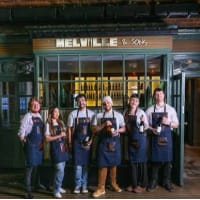
For those interested in small plates accompanied by a considered drinks selection, Melville & Sons is located at 29 Tombland, Norwich. Its offering brings together small plates, curated wines and handcrafted cocktails, making it a relevant option for people looking to enjoy food and drinks in one setting.
Whether you are meeting friends or planning an evening out, checking the current menu and reservation details before visiting can help you decide whether the experience suits your preferences.
Is Small-Plate Dining Right for Every Occasion?
Small plates can be a good choice when the aim is to share, experiment and spend time around the table. They are particularly suited to social occasions where people want to enjoy a range of dishes at a relaxed pace.
However, the format is not necessarily right for everyone. Some diners prefer the simplicity of ordering a starter and main course, while others may want a larger individual portion. The right choice depends on appetite, budget, occasion and personal preference.
If you are dining with a group, agreeing on a rough budget and choosing a balanced selection of dishes can make the experience easier. It is also helpful to ask about portion sizes so that everyone knows what to expect.
The Future of Dining Is About the Experience
Small plates reflect a broader shift towards making dining out more interactive, flexible and social. They give people the opportunity to discover new flavours while sharing a meal with friends, family or colleagues.
Although food trends will continue to change, the appeal of good food and good company remains constant. Small-plate dining offers one way to bring the two together, turning an ordinary meal into an experience built around variety, conversation and discovery.
For anyone looking to try a different style of dining, choosing a menu with a selection of smaller dishes can be a simple place to start.




