In an era dominated by franchise spectacle and digital spectacle, a quieter but fiercely resilient corner of Hollywood keeps drawing audiences back to the wilderness. Survival thrillers that pair a hardened protagonist with a loyal animal companion continue to deliver something rare: emotional stakes that feel earned rather than engineered. The bond between human and dog, tested by isolation, injury, and predators, taps into something primal. Viewers do not simply watch characters fight to live; they invest in a relationship that predates the crisis and must survive it.
The Enduring Pull of Practical Peril
What separates the strongest entries in this subgenre is their commitment to tangible hardship. Location shooting, practical animal work, and restrained visual effects create an authenticity that pure CGI struggle to match. When a film places its leads in genuinely remote terrain—Alaska or its stand-ins—the landscape itself becomes an antagonist. Night sequences, sudden animal attacks, and the grinding logistics of injury and exposure generate tension that feels physical rather than plot-driven. Audiences respond because the danger looks possible. The best of these stories also refuse to treat the animal as mere sidekick. A combat dog carrying its own trauma and limitations elevates the drama from simple rescue narrative to a study of mutual dependence.
This approach has proven commercially sturdy. Films that balance rugged action with genuine emotional investment tend to hold screens longer and travel well internationally, even when their plots follow familiar beats. Predictability is not always a flaw when the craft is strong enough to make each set piece land with force.
Why the Formula Still Works When Executed Well
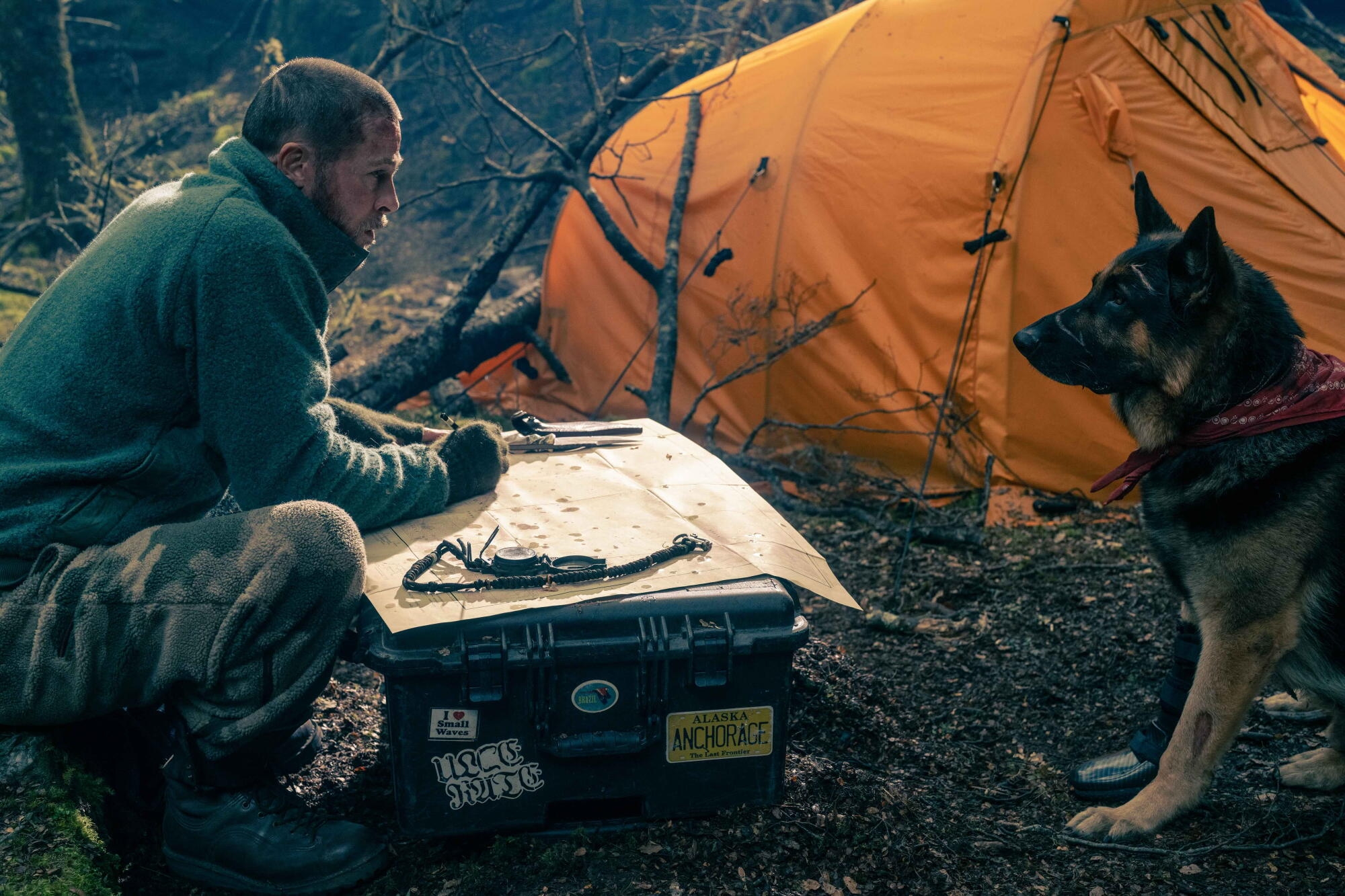
The latest high-profile example arrives at a moment when audiences seem hungry for stories that prioritise human-scale struggle over world-ending threats. A detailed Heart of the Beast review on BriefLedger highlights precisely this balance: striking wilderness cinematography, committed performances, and an emotional core rooted in the partnership between a veteran and his injured dog. The film does not reinvent the survival template, yet it demonstrates why the template endures. When the relationship feels authentic and the environment hostile, viewers forgive narrative familiarity.
That same dynamic explains the broader trend. Whether the setting is Alaskan tundra, desert canyons, or frozen mountains, the man-and-dog pairing offers a built-in source of empathy. The animal’s vulnerability heightens the stakes without requiring exposition-heavy backstories. Technical excellence—sound design that isolates every snap of a branch, cinematography that makes beauty feel threatening—then does the rest. In a marketplace crowded with sequels and shared universes, these lean, location-driven thrillers cut through by offering something closer to lived experience.
Conclusion
Survival cinema built around human-animal loyalty remains one of the most reliable emotional delivery systems in contemporary film. When filmmakers prioritise real locations, credible peril, and the quiet power of companionship, audiences still show up. The formula may be familiar, but its best recent outings prove that familiarity, handled with craft and sincerity, can still feel vital.