This article was originally published on livejournal.com and has been republished here with permission.
A case can look impressive on the outside and still be a poor match for the instrument inside. The real job is simple: keep the guitar supported, stable, and easy to carry without creating pressure around the neck, bridge, or body edges. Shape matters more than many players expect, especially with offset, hollow, or unusually contoured instruments. A case that is too roomy can allow movement, while one that is too tight may press against hardware or finish. Good fit comes first. Style can follow. In this article, we will discuss how body shape, internal support, case type, and storage habits affect everyday protection and usability.
Start With the Instrument's Actual Dimensions
The right guitar cases should support the instrument without forcing it into place. Measure overall length, lower bout width, body depth, and neck position before assuming a case will fit because the label says "electric" or "acoustic." A solid-body guitar with a sharp offset shape can sit awkwardly in a generic rectangular case even when the overall length is correct. I've seen players solve that by adding loose padding, but honestly, that is not ideal. Proper support should come from the case itself, not improvised foam that shifts every time the lid closes.
Local Availability Still Needs a Fit Check
When comparing guitar cases in Canada, availability and shipping matter, but fit should still lead the decision. A musician ordering online may be tempted to choose the first option listed for a familiar body style, yet two instruments that look similar can differ by several centimetres around the lower bout or headstock. For example, a player might buy a fitted case on Monday and discover on Friday that the lid presses slightly against a tall bridge. That small pressure point can become a long-term problem. The tradeoff is that universal cases offer flexibility, while fitted designs usually give more secure internal support.
Look Inside Before You Judge the Outside
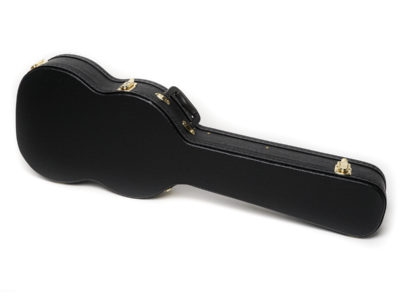
The best guitar cases are not always the ones with the most eye-catching exterior. Interior layout often matters more because that is what actually holds the instrument in position.
Check whether the neck rest supports the instrument naturally
Look for enough clearance around the bridge and controls
Make sure the body does not slide from side to side
Inspect padding around the lower bout and headstock area
Check whether accessory storage interferes with the instrument
Test the latches or zips before relying on the case regularly
A case may feel solid when empty but behave differently once the instrument is inside. Put the guitar in, close the lid gently, then reopen it and check whether anything has shifted. Simple test. Very useful.
Body Style Should Guide the Case Type
Different guitar bodies for custom builds can create very different storage needs, which is why builders should think about case choice before the project is finished. A standard double-cut body may fit several common options, while a wide hollow design, offset shape, or extended lower horn can need something more specific. If a custom project changes bridge height, strap button position, or body thickness, that can also affect fit. In practice, I prefer checking case dimensions before final hardware installation when the body shape is unusual. It is easier to plan around a known limit than discover afterward that nothing closes properly.
Conclusion
A good case should fit the instrument before it impresses anyone visually. Measuring the body, checking internal support, and testing clearance around hardware can help reduce movement, pressure points, and awkward storage while making everyday carrying more practical and predictable.
SOLO Music Gear supports musicians, builders, hobbyists, and repair shops with cases, bags, parts, kits, accessories, and technical resources. Its online range serves customers across Canada and the USA who want practical options for instrument storage, transport, maintenance, and custom projects.
Frequently Asked Questions
Question: Can one case fit several different guitar shapes?
Answer: Sometimes. Universal designs can work with multiple instruments, but the fit may be less exact. Check body width, depth, overall length, and neck support carefully before assuming one case will suit several guitars equally well.
Question: Is a hard case always better than a gig bag?
Answer: Not always. Hard cases usually offer more structure, while gig bags are lighter and easier to carry. The better choice depends on how often the instrument travels, how it is stored, and how much protection is needed.
Question: How can I tell if a case is too tight?
Answer: If the lid needs pressure to close, the controls touch the interior, or the bridge and headstock feel compressed, the fit may be too tight. The instrument should sit securely without being forced into position.